
Career Case Competition 2026 Encourages the Development of Analytical and Problem-Solving Skills
November 29, 2026
Bridging Minds: UMN Encourages the Use of AI for a Sustainable Future in Timor-Leste
November 29, 2026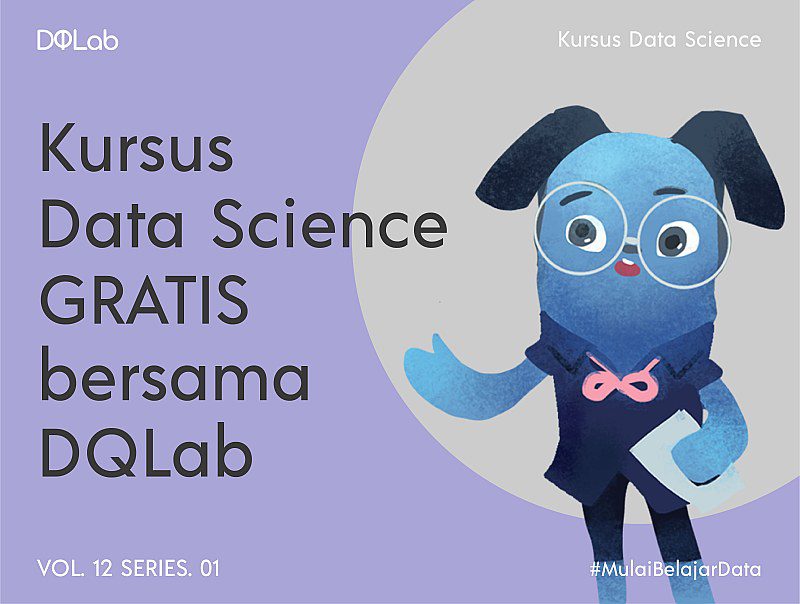
Ever felt like you have plenty of experience in your job, but there’s still a lot to learn? Or have you felt your daily routine starting to shift because more and more of your work involves technology?
In the digital era, the challenge at work isn’t only about how long someone has been doing the job, but how well they can use that experience to adapt to change.
These days, all sorts of jobs are starting to rely on technology and data to support operations, evaluate performance, and set business strategy. That makes the ability to understand information and use it at work increasingly valuable.
So how do you build your skills so that you’re not only keeping up with change, but able to take advantage of it?
1. Change How You Look at Getting Work Done
Every job comes with its own challenges. There are targets to hit, reports to evaluate, and decisions to make within a certain timeframe.
But have you ever tried looking at your daily work from a different angle?
A marketing professional, for example, doesn’t only need to know the sales figures, but also to understand which campaign delivered the best results. The same goes for an HR team that doesn’t just manage employee data, but uses it to spot productivity trends and see where the team needs development.
This shift in perspective helps us see that work isn’t only about finishing tasks, but about understanding the information behind each process.
2. Get Into the Habit of Deciding Based on Data
In the workplace, decisions are often made based on experience, intuition, or habits that have been in place for years.
Experience certainly still matters. Combining it with data, though, can give you a fuller picture before you settle on your next move.
Imagine a company sees its sales drop. Without further analysis, the team might jump straight to the conclusion that the marketing strategy needs changing.
Look at the data, though, and it might turn out the drop is due to a shift in customer behavior, a particular product losing appeal, or simply a slow sales period.
With the ability to read and analyze data, we can dig into the cause of a problem, find patterns, and put together recommendations based on the information available.
3. Build a Skillset That Complements Your Work Experience
Having experience in a field is a valuable asset. Combining it with new skills, though, can open up more ways to solve problems at work.
One ability worth exploring is Data Analytics. It isn’t only relevant to the work of a Data Analyst. Professionals in all kinds of fields can use it to support their day-to-day work.
For example:
- Marketing: Measuring campaign effectiveness and identifying customer characteristics.
Finance: Reading spending trends and evaluating financial performance.
Human Resources: Identifying patterns in employee data to support HR strategy.
Operations: Monitoring process efficiency and spotting potential operational bottlenecks.
Business Development: Working through market information to help find business opportunities.
In other words, learning Data Analytics doesn’t always mean changing careers. It can also be added value that complements the experience and expertise you already have.
4. Learn Through Practice, Not Just by Collecting Theory
One of the challenges in learning a new skill is applying it in real situations. Reading the material and understanding the concepts is the first step.
But your abilities sharpen far more when you start solving problems through exercises and projects. You can start with a simple dataset, create a visualization, or analyze a case study.
Through that process, you’ll learn how to turn a pile of data into information that’s easier to understand and use to support decisions.
You don’t have to master it all at once. Start with the basic concepts, then build your skills gradually according to your needs and learning goals. Interested in developing your Data Analytics skills but still not sure where to begin?
DQLab is offering a chance to learn Data Analytics for 1 month FREE through the BeasiswaDQ program!
Take this opportunity to upgrade your skills and start exploring the world of data today!
Claim the DQLab Data Analytics Scholarship through this link: https://bit.ly/DQMEDIA
By DQLab
English translation by Levina Chrestella Theodora
Kuliah di Jakarta untuk jurusan program studi Informatika | Sistem Informasi | Teknik Komputer | Teknik Elektro | Teknik Fisika | Akuntansi | Manajemen | Komunikasi Strategis | Jurnalistik | Desain Komunikasi Visual | Film dan Animasi | Arsitektur | D3 Perhotelan , di Universitas Multimedia Nusantara. www.umn.ac.id