Bachelor of
Accounting
What is Accounting?
In the ICT (Information and Communication Technology) and multimedia era, an accountant who has ability and understanding related to ICT is highly required. The Accounting program in UMN prepares the students to gain a Bachelor of Economics degree specialized in Accounting and to become professionals that master ICT application related to accounting, and at the same time can utilize ICT for accounting solutions.
Why choose UMN’s Accounting?
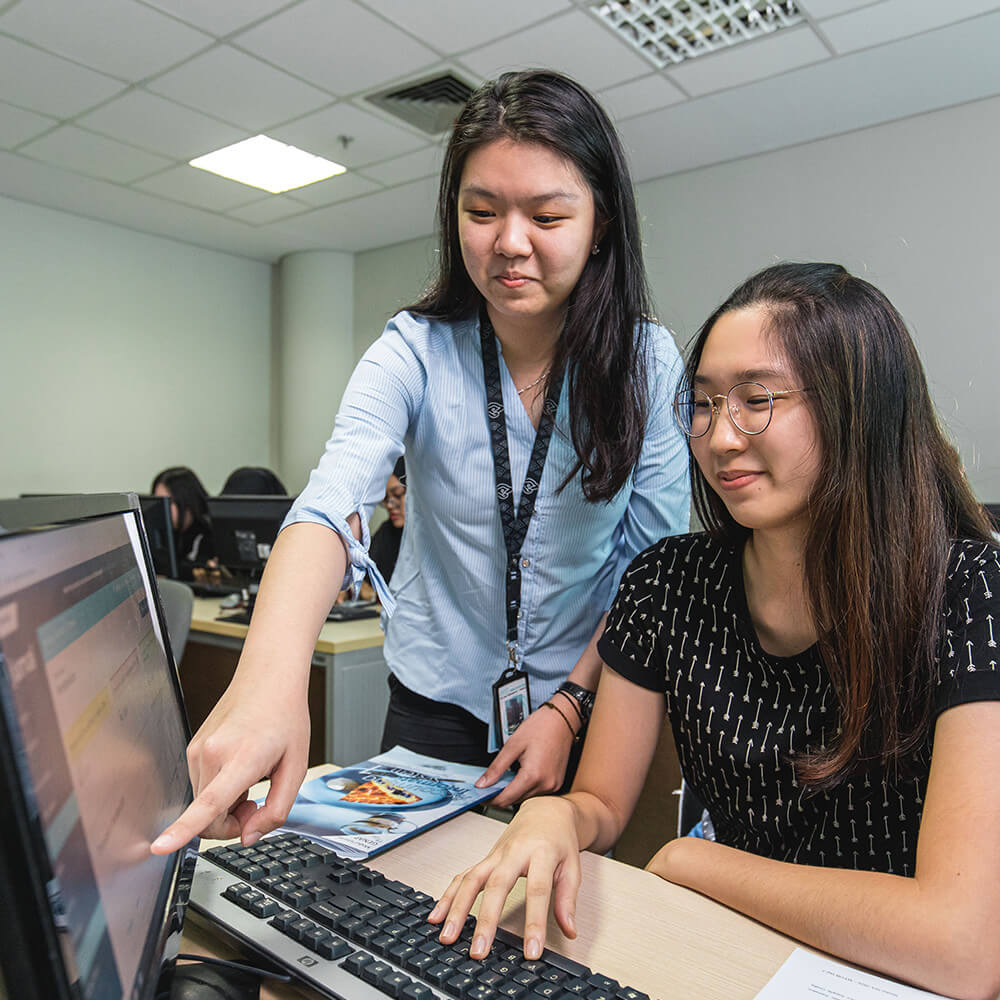
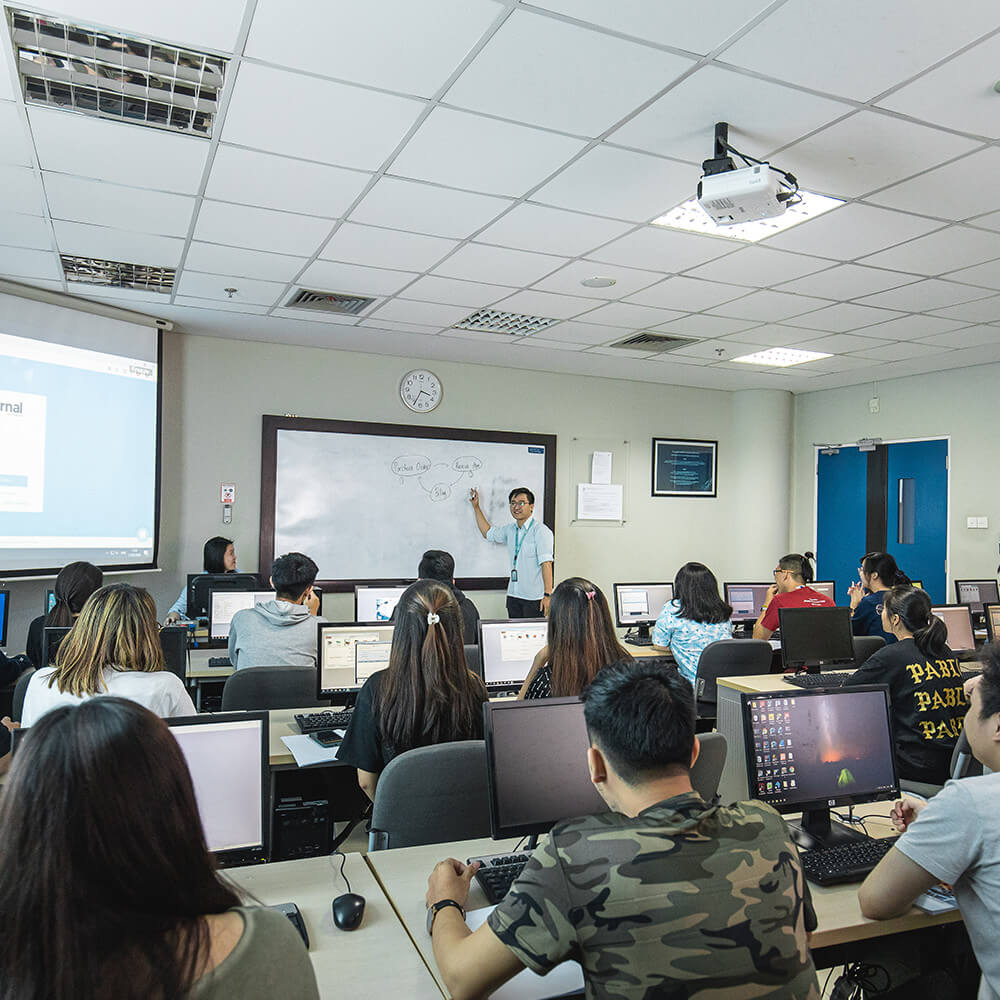
The Accounting study program at Multimedia Nusantara University prepares its graduates to be ready to face the world of work, by providing in-depth knowledge of theory as well as hands-on practice so that students can apply the theory in the world of work.
Providing information and communication technology (ICT) based briefing in the form of using software that helps students in compiling financial reports and other accounting activities.
Provide opportunities for students to obtain certifications related to the chosen specialization before they graduate from this study program. Lecturers of the Accounting study program are presented from practitioners who have experience and professional degrees in the field of accounting to maintain a balance between providing accounting theory and real practice in the world of work.
FAQ
Why Choose the Accounting Program at UMN? Here Are the Advantages You Should Know
Choosing an Accounting program is not only about learning financial statements or taxation. In today’s digital era, the accounting profession continues to evolve with the emergence of Artificial Intelligence (AI), big data, and digital transformation across various industries.
As a result, many prospective students and parents are asking, “Why choose Accounting at UMN? What makes it different from Accounting programs at other universities?”
The answer lies in its nationally and internationally recognized academic quality, industry-relevant curriculum, partnerships with leading professional organizations, and specialization options designed to meet the needs of today’s job market.
Nationally Accredited with an Excellent Rating
One of the key indicators of a study program’s quality is its accreditation.
The Accounting Program at Universitas Multimedia Nusantara (UMN) has received an Excellent Accreditation (Akreditasi Unggul) from LAMEMBA (Lembaga Akreditasi Mandiri Ekonomi, Manajemen, Bisnis, dan Akuntansi). This accreditation indicates that the program’s educational delivery, curriculum, faculty quality, learning process, and academic governance meet the quality standards for higher education in Indonesia.
For prospective students, this accreditation provides assurance that they will study in a program with academically recognized quality at the national level.
Internationally Recognized Through FIBAA Accreditation
In addition to national accreditation, the Accounting Program at UMN has also received International Accreditation from FIBAA (Foundation for International Business Administration Accreditation).
This international accreditation demonstrates that the quality of learning in the Accounting Program at UMN meets internationally recognized standards for business education. It provides added value for students by offering a learning experience that is relevant to the development of the accounting profession at the international level.
An ICAEW Partner in Learning
Another advantage of the Accounting Program at UMN is its status as a Partner in Learning with ICAEW (Institute of Chartered Accountants in England and Wales), one of the world’s leading professional accounting organizations.
This partnership provides students with opportunities to participate in learning pathways that support the development of competencies based on international standards. Students may also have the opportunity to pursue international certifications such as the Certificate in Accounting, Finance and Business (CFAB) from ICAEW as an added qualification before entering the professional world.
With this foundation, graduates are equipped with more than just an academic degree—they can also develop competencies recognized by the professional accounting community.
A Curriculum That Keeps Up with the Accounting Profession
The accounting profession today is no longer limited to bookkeeping or preparing financial statements. Modern accountants are expected to utilize technology, understand business digitalization, analyze data, and adapt to developments in information systems.
Therefore, the Accounting curriculum at UMN is designed to integrate technological developments into the learning process. Students not only study fundamental accounting concepts but also develop competencies that are relevant to industry needs in the digital era.
Three Specialization Options to Support Career Goals
To help students develop more specialized competencies, the Accounting Program at UMN offers three specialization options.
Accounting Technology
This specialization prepares students to understand technology-based accounting. Students learn about accounting information systems, information systems auditing, internal controls, as well as Big Data and Data Analytics & Visualization, which are increasingly needed by companies today. Graduates can pursue careers as Business Analysts, Information Systems Auditors, Data Analysts, and Software Implementers.
Taxation
The Taxation specialization focuses on taxation through a digital approach. Students learn about tax calculations, tax planning, fiscal reconciliation, and the digitalization of taxation in line with regulatory developments. Career opportunities include Tax Consultants, Tax Specialists, Tax Auditors, and Government Tax Officers.
Digital Auditing
This specialization prepares students to become auditors who can utilize technology throughout the auditing process. In addition to understanding accounting standards and professional ethics, students learn how digital technologies can be applied to auditing activities. Graduates can pursue careers as External Auditors, Internal Auditors, Financial Accountants, and Financial Analysts.
Conclusion
The Accounting Program at UMN offers more than traditional accounting education. With Excellent Accreditation from LAMEMBA, International Accreditation from FIBAA, and its status as an ICAEW Partner in Learning, students receive an education recognized at both national and international levels.
Supported by a curriculum that keeps pace with technological developments and three specialization options—Accounting Technology, Taxation, and Digital Auditing—students are prepared to become professionals who can adapt to the transformation of the accounting profession in the digital era.
If you would like to learn more about the curriculum, specialization options, certifications, or admission process for the Accounting Program at UMN, UMN Education Consultants (EC) are ready to provide information and guidance to help you choose a study program that aligns with your interests and career goals. [Contact an EC Now!]
How to Apply to the Accounting Study Program at UMN? Here Are the Admission Paths and Scholarships You Need to Know
The Accounting Study Program at Universitas Multimedia Nusantara (UMN) is an option for prospective students who want to build a career in accounting, finance, taxation, auditing, and accounting technology. After choosing the right study program, one of the most common questions is, “How do I apply to the Accounting Study Program at UMN?”
The good news is that the new student admission process at UMN is designed to be practical and can be completed online. In addition to providing several admission paths, UMN also offers various scholarship programs for prospective students who meet the requirements.
Here is a guide you need to know before applying.
Online Application Process
Prospective students who wish to join the Accounting Study Program at UMN can complete the application process online through the UMN New Student Admission (PMB) system.
Through the system, prospective students can fill out the application form, select their preferred study program, upload the required documents, and complete the selection process according to the chosen admission path. With the online system, the application process is more convenient and can be completed from anywhere.
Available Admission Paths
UMN provides several admission paths that can be selected based on the prospective student’s academic achievements and background.
Academic Admission Path
The Academic Admission Path uses report card grades as one of the criteria for the selection process.
Prospective students applying to the Accounting Study Program are required to prepare several documents, including:
- Copies of report cards from Grades 10 and 11.
- A recent 4×6 cm photograph.
In addition to administrative requirements, UMN also considers the prospective student’s academic performance. For the Accounting Study Program, grades in subjects such as Mathematics, English, and other relevant supporting subjects may be considered during the selection process.
Various Scholarship Opportunities at UMN
In addition to the Academic Admission Path, UMN offers various scholarship programs as a form of recognition for prospective students with academic and non-academic achievements.
Some of the available scholarship programs include:
Academic Achievement Scholarship
This scholarship is intended for students who have demonstrated academic achievement during their studies at senior high school or vocational high school. Selection is based on criteria established by UMN, including academic performance and the required supporting documents.
Sports and Arts Achievement Scholarship
UMN also provides opportunities for prospective students with achievements in sports or the arts. This program is intended for students who have achieved at least provincial-level accomplishments, subject to the applicable requirements.
Scholarship for Children of Teachers or School Principals
As a form of appreciation for the education sector, UMN provides scholarships for the children of teachers, school principals, and education staff who meet the applicable administrative requirements.
Sibling Scholarship
Prospective students who have a sibling currently studying at UMN may also apply for the Sibling Scholarship, subject to the applicable terms and conditions.
Prepare Your Documents in Advance
To ensure a smooth application process, prospective students are encouraged to prepare all required documents in advance.
In addition to report cards and photographs, applicants applying through scholarship programs may need to provide additional documents, such as ranking certificates, achievement certificates, family cards, or other supporting documents depending on the scholarship selected. Preparing these documents early can help make the selection process more organized and efficient.
Why Should You Apply Early?
Applying early provides several advantages. In addition to having sufficient time to complete the administrative requirements, prospective students can consult with an Education Consultant (EC) UMN regarding the admission paths and scholarship programs that best match their academic profile and achievements.
If there are documents that still need to be completed or information that is unclear, prospective students will also have more time to make the necessary preparations before the application period ends.
Conclusion
The application process for the Accounting Study Program at UMN is conducted online through the UMN PMB system, with several admission options available, ranging from the Academic Admission Path to various scholarship programs. Each admission path has different requirements, so it is important for prospective students to understand the applicable conditions and prepare the required documents in advance.
In addition to offering a convenient application process, UMN provides various scholarship opportunities to support prospective students with outstanding achievements. If you would like to learn more about admission requirements, application schedules, or available scholarship programs, the Education Consultant (EC) UMN is ready to provide information and consultation to help make your application process easier and more targeted.
What Is the Difference Between the Regular and International Programs in the Accounting Study Program at UMN? Here’s the Explanation
When choosing the Accounting Study Program at Universitas Multimedia Nusantara (UMN), prospective students may notice that there are two options available: the Regular Program and the International Program. This often raises the question, “What is the difference between the Regular and International Programs in the Accounting Study Program at UMN?”
Are the courses different? Are the degrees different? Or is the difference simply the language of instruction?
In general, both programs prepare students to become Accounting graduates who are ready to adapt to the evolving industry. The main differences lie in the learning experience and the opportunities to gain international exposure throughout their studies.
The Core Curriculum Remains the Same
Both the Regular Program and the International Program follow the core curriculum of the UMN Accounting Study Program, which is designed to meet the needs of the accounting profession.
Students will study various key areas, including financial accounting, management accounting, auditing, taxation, accounting information systems, and the use of technology in accounting.
Students can also choose a specialization based on their career interests:
- Accounting Technology
- Taxation
- Digital Auditing
These three specializations are designed to equip students with competencies that are increasingly relevant to the development of the accounting profession in the digital era.
Both Offer Recognized Academic Quality
Students in both the Regular Program and the International Program are part of the UMN Accounting Study Program, which has received Excellent Accreditation from LAMEMBA and International Accreditation from FIBAA.
In addition, all students benefit from the Accounting Study Program’s status as an ICAEW (Institute of Chartered Accountants in England and Wales) Partner in Learning. This partnership provides students with opportunities to follow learning pathways that support the development of competencies aligned with international professional standards.
In other words, the academic quality that forms the foundation of the learning experience remains the same in both programs.
The Main Difference Lies in the Learning Experience
The most noticeable difference is the learning experience offered by each program.
In the Regular Program, students study in an academic environment focused on developing professional competencies, industry collaboration, and project- and case-based learning.
Meanwhile, the International Program is designed for students who want to gain a learning experience with a global perspective. Students will participate in an internationally oriented learning environment, including the use of English in various courses, allowing them to become accustomed to communicating in both academic and international professional contexts.
Opportunities to Participate in International Programs
Another advantage of the International Program is the opportunity to participate in various international activities facilitated by UMN together with overseas university partners.
Students may have the opportunity to participate in programs such as student exchange, short courses, and other forms of international academic collaboration, subject to the applicable requirements. These experiences allow students to broaden their perspectives, learn about business and accounting practices in other countries, and develop the ability to adapt to multicultural environments.
For students planning to work for multinational companies or pursue further studies abroad, such experiences can be a valuable addition to their academic journey.
Which Program Should You Choose?
The best choice depends on each prospective student’s goals.
If you want to pursue a quality Accounting education with a curriculum relevant to the needs of both the Indonesian and global industries, the Regular Program provides a strong academic and professional foundation.
However, if you want to gain more intensive international exposure, improve your English communication skills, and have opportunities to participate in various global programs, the International Program can be the right choice.
Ultimately, both the Regular Program and the International Program equip students with the competencies needed to navigate the development of the accounting profession in the digital era.
Conclusion
The Regular and International Programs of the UMN Accounting Study Program have the same core curriculum, academic quality, accreditations, and specialization options. Both are part of the Accounting Study Program, which has received Excellent Accreditation from LAMEMBA, International Accreditation from FIBAA, and holds ICAEW Partner in Learning status.
The main difference lies in the learning experience. The International Program offers stronger international exposure through the use of English in selected courses and opportunities to participate in various collaborations with overseas universities. Meanwhile, the Regular Program provides a comprehensive learning experience with a relevant curriculum, practical learning, and competency development aligned with industry needs.
If you are still unsure about choosing between the Regular and International Programs in Accounting at UMN, the Education Consultant (EC) UMN is ready to explain the differences in more detail, helping you choose the program that best suits your interests, abilities, and career plans. [Contact EC Now!]
What Do You Learn in the Accounting Study Program at UMN? Here Are the Specializations and Career Prospects
Many people still assume that studying Accounting is simply about working with numbers and preparing financial statements. However, the accounting profession has evolved rapidly alongside digital transformation. Today, companies need Accounting graduates who can leverage technology, analyze data, understand tax regulations, and conduct digital-based audits.
So, what do you learn in the Accounting Study Program at Universitas Multimedia Nusantara (UMN)?
The Accounting Study Program at UMN is designed to equip students with competencies in accounting, business, technology, and data analysis. Its curriculum also follows industry developments, preparing graduates to face the challenges of the profession in the digital era.
Building a Foundation in Accounting and Business
In the early years of study, students learn various fundamental courses that form the foundation for becoming professional accountants.
The subjects covered include Introduction to Accounting, Financial Accounting, Management Accounting, Accounting Information Systems, Auditing, Taxation, Public Sector Accounting, Financial Management, Business Law, and Professional Ethics. Students also learn how to prepare financial statements, analyze company performance, understand organizational governance, and support business decision-making processes.
As technology continues to evolve, the learning process also integrates the use of Artificial Intelligence (AI), Big Data, and Data Analytics, equipping students to adapt to the transformation of the accounting profession in the digital era.
Learning Relevant to Industry Needs
The UMN Accounting Study Program does not focus solely on classroom theory. Students also gain learning experiences through case studies, simulations, projects, and practical applications using technologies commonly used in the professional world.
This approach helps students understand how accounting knowledge is applied in real-world situations, from preparing financial statements and conducting business analysis to auditing and taxation.
In addition, students have the opportunity to pursue professional certifications and participate in learning pathways that support the development of international competencies through the UMN Accounting Study Program’s status as an ICAEW (Institute of Chartered Accountants in England and Wales) Partner in Learning.
Choosing a Specialization Based on Your Career Interests
After mastering the fundamentals of accounting, students can deepen their competencies through three specialization options designed to align with industry developments.
Accounting Technology
This specialization combines accounting with information technology. Students learn Accounting Information Systems, Information System Auditing, Big Data, Data Analytics & Visualization, and technologies that support companies’ digital transformation.
Career opportunities include Business Analyst, Information System Auditor, Data Analyst, Software Implementer, and information systems consultant.
Taxation
The Taxation specialization prepares students to become professionals in the field of taxation who understand both regulations and the digitalization of tax systems.
Students learn Tax Planning, Fiscal Reconciliation, International Taxation, and various digital tax applications. Graduates can pursue careers as Tax Consultants, Tax Specialists, Tax Auditors, and Government Tax Officers.
Digital Auditing
Digital Auditing is an increasingly relevant specialization in the era of digital transformation.
Students learn technology-based auditing processes, data analysis, auditing standards, and the application of technology in financial examination processes. Career opportunities include External Auditor, Internal Auditor, Financial Accountant, Financial Analyst, and other professions in assurance and governance.
Supported by Accreditation and International Recognition
The quality of learning in the UMN Accounting Study Program is also supported by various academic recognitions. The program has received Excellent Accreditation from LAMEMBA and International Accreditation from FIBAA, demonstrating that its educational quality meets both national and international standards.
In addition, its status as an ICAEW Partner in Learning provides students with opportunities to develop competencies aligned with international accounting professional standards and gain added value before entering the workforce.
Wide-Ranging Career Prospects
Graduates of the UMN Accounting Study Program have opportunities to pursue careers across various industries, not only as accountants.
Depending on their chosen specialization, graduates can work as Auditors, Financial Analysts, Financial Accountants, Tax Consultants, Tax Specialists, Business Analysts, Information System Auditors, Data Analysts, Software Implementers, and other professionals in finance, consulting, and multinational companies.
With technological developments and the growing demand for professionals who understand both accounting and business digitalization, career opportunities for Accounting graduates continue to expand across various industries.
Conclusion
The UMN Accounting Study Program equips students with competencies that go beyond accounting and finance, also incorporating technology, data analysis, and digital transformation. Supported by an industry-relevant curriculum, three specialization options—Accounting Technology, Taxation, and Digital Auditing—as well as recognition through Excellent Accreditation from LAMEMBA, International Accreditation from FIBAA, and the ICAEW partnership, students are prepared to become graduates who are ready to compete in the professional world.
If you would like to learn more about the curriculum, specializations, career prospects, or admission process for the Accounting Study Program at UMN, the Education Consultant (EC) UMN is ready to provide information and consultation to help you choose a study program that aligns with your interests and career goals.
How Are the Career Prospects for UMN Accounting Graduates? Here Are the Career Opportunities and Career Support Available
Choosing an Accounting program is not only about what students learn during their studies, but also about the career opportunities available after graduation. Many prospective students and parents ask, “How are the career prospects for UMN Accounting graduates? Is it easy for graduates to find employment?”
The Accounting Study Program at Universitas Multimedia Nusantara (UMN) is designed to address these needs through an industry-relevant curriculum, specialization options that align with the development of the accounting profession, professional certifications, and continuous career development support that assists students as they prepare to enter the workforce.
Wide-Ranging Career Opportunities Across Various Industries
UMN Accounting graduates have the opportunity to pursue careers across various industries, including both national and multinational companies.
Through the three available specializations, namely Accounting Technology, Taxation, and Digital Auditing, students can develop competencies according to their areas of interest.
Graduates of Accounting Technology have career opportunities as Business Analysts, Information System Auditors, Data Analysts, and Software Implementers.
For those who choose Taxation, career prospects include Tax Consultants, Tax Specialists, Tax Auditors, and Government Tax Officers.
Meanwhile, graduates of Digital Auditing can pursue careers as External Auditors, Internal Auditors, Financial Accountants, and Financial Analysts.
This demonstrates that career opportunities for Accounting graduates today are much broader than the perception that accountants only work in bookkeeping roles.
Equipped with Competencies Needed in the Workforce
Strong career prospects are closely related to the quality of learning students receive during their studies.
The Accounting Study Program at UMN equips students with competencies in accounting, taxation, auditing, accounting information systems, Big Data, as well as Data Analytics & Visualization. Students are also introduced to the use of information technology in accounting practices, preparing them to face digital transformation in the accounting profession.
In addition, UMN Accounting is a Partner in Learning of ICAEW (Institute of Chartered Accountants in England and Wales), providing students with opportunities to pursue international learning pathways and certifications that can add value when entering the workforce.
Alumni Have Built Careers at Renowned Companies
The quality of UMN Accounting graduates is also reflected in the career journeys of its alumni.
One of the alumni, Windy Sharen (Accounting 2019), is currently pursuing a career as an External Auditor (Assurance) at PwC Indonesia. In her testimonial, she shared that learning in the UMN Accounting Study Program begins with fundamental concepts and progresses to advanced levels that are relevant to workplace needs. She also had the opportunity to pursue the international Certification in Accounting, Finance and Business (CFAB) from ICAEW during her studies. According to her, the certification serves as an added value appreciated by many companies, both nationally and globally.
This testimonial demonstrates that in addition to developing academic competencies, the UMN Accounting Study Program also provides professional preparation that can enhance graduates’ competitiveness.
Career Development Center (CDC) Supports Career Preparation
Throughout their studies, students also receive support from the Career Development Center (CDC) UMN.
CDC helps students prepare to enter the professional world through various programs, such as career preparation, career mentoring, seminars and workshops with industry practitioners, career fairs, as well as information on internships and job opportunities from UMN partner companies.
Through these programs, students have the opportunity to gain early exposure to the professional world, build professional networks, and prepare the competencies needed before graduation.
Therefore, the process of building a career does not begin after graduation, but is already prepared while students are still in university.
Conclusion
The career prospects for UMN Accounting graduates are wide open across various industry sectors. Equipped with competencies in accounting, technology, taxation, digital auditing, and data analysis, graduates have opportunities to pursue careers as Business Analysts, Auditors, Financial Analysts, Financial Accountants, Tax Consultants, Tax Specialists, Information System Auditors, and various other professions needed in the digital era.
In addition to an industry-relevant curriculum, students also have the opportunity to pursue international certifications through the partnership with ICAEW, receive career guidance from the Career Development Center (CDC), and become part of the growing KAMI UMN alumni network. This combination provides an important foundation for graduates to not only be ready to enter the workforce, but also to build sustainable careers in the professional world.
If you would like to learn more about career prospects, curriculum, specializations, or the learning process in the UMN Accounting Study Program, Education Consultant (EC) UMN is ready to provide information and consultation according to your interests and career plans. [Contact EC Now!]
Accreditation Table
| Institution Accreditation |
National Accreditation |
International Accreditation |
 |
 |
 |
ECTS Points Table
| ECTS Points | 234 ECTS |
| Education Type | Undergraduate |
| Duration | 4 years |
| Language | Bahasa Indonesia |
| Bachelor's Degree | Bachelor of Accounting (S.Ak.) |
Vision & Mission
Vision
To become an outstanding undergraduate Accounting Program that produces international-minded graduates who are competent in Information and Communication Technology (ICT)-based accounting and have entrepreneurial spirit and noble character.
Mission
- To conduct a quality learning process, supported by professional lecturer, and curriculum which is up to date and promotes the link and match between education and industry.
- To conduct research that contributes in the development of accounting, financing and taxation to be the center of excellence.
- To utilize the accounting, financial and taxation knowledge as the manifestation of services to the profession communities, industry and society.
Further Study
Those who gain a Bachelor’s degree in Accounting from UMN can continue to PPAk (The Professional Program in Accounting) or pursue a Master’s degree in either local or overseas universities. The graduates can take a Master’s degree in Accounting, Management and Business Administration.
Entry Requirement
- Graduated from Senior High Schools – Natural Science and Social Science Program
- Graduated from Vocational High Schools in Accounting, Business, and Finance
Specialization in Accounting Program
Auditing
Goals
To produce graduates that are highly competent in accounting and financing, understand the revision of Standard Akuntansi Keuangan (Financial Accounting Standards) that suit International Financial Reporting Standards (IFRS), gain ICT knowledge and orientation and are able to utilize ICT in undergoing the profession as accountants, are able to conduct external auditing to assess the appropriateness of a company’s financial statement or to become internal auditors to conduct internal evaluation and provide suggestion to improve the company’s performance according to the applicable rules under the code of Ethics for Professional Accountants
Curriculum
Students will gain all the main subjects of accounting like Financial Accounting, Cost Accounting, Management Accounting, Auditing, Accounting Information Systems, Taxation, Sector Public Accounting, Financial Accounting Standards, Financial Statement Analysis, Accounting theories equipped with Management, Economics, and ICT subject. Besides, students are given in-depth capabilities in auditing through 5 subjects, namely Audits Seminar, Audit Practice, Auditing Information Systems, Ethics and Corporate Governance, and Tax Accounting.
Career Prospects
External Auditor, Internal Auditor, Financial Accountant, Financial Analyst
Taxation
Goals
To produce graduates who are highly competent in accounting and financing, understand the revision of Financial Accounting Standards that suit International Financial Reporting Standards (IFRS), gain ICT knowledge and orientation and are able to utilize ICT in doing the profession as accountants, are able to conduct calculation and problem solving analysis regarding paying the taxes as taxpayers, are able to conduct fiscal reconciliation and tax planning according to the valid rules.
Curriculum
Students will gain all the main subjects of accounting like Financial Accounting, Cost Accounting, Management Accounting, Auditing, Accounting Information Systems, Taxation, Sector Public Accounting, Financial Accounting Standards, Financial Statement Analysis, Accounting theories equipped with Management, Economics, and ICT subject. Besides, students are given in-depth capabilities in auditing through 5 subjects, namely Tax Accounting, Tax Practices, Advanced Taxation, International Taxation, and Taxation Seminar.
Career Prospects
Tax Auditor, Tax Consultant, Tax Specialist
Taxation
Goals
To produce graduates who are highly competent in accounting and financing, understand the revision of Financial Accounting Standards that suit International Financial Reporting Standards (IFRS), gain ICT knowledge and orientation and are able to utilize ICT in doing the profession as accountants, are able to conduct calculation and problem solving analysis regarding paying the taxes as taxpayers, are able to conduct fiscal reconciliation and tax planning according to the valid rules.
Curriculum
Students will gain all the main subjects of accounting like Financial Accounting, Cost Accounting, Management Accounting, Auditing, Accounting Information Systems, Taxation, Sector Public Accounting, Financial Accounting Standards, Financial Statement Analysis, Accounting theories equipped with Management, Economics, and ICT subject. Besides, students are given in-depth capabilities in auditing through 5 subjects, namely Tax Accounting, Tax Practices, Advanced Taxation, International Taxation, and Taxation Seminar.
Career Prospects
Tax Auditor, Tax Consultant, Tax Specialist
Accounting Information System
Goals
To produce graduates who are highly competent in accounting and financing, understand the revision of Financial Accounting Standards that suit International Financial Reporting Standards (IFRS), gain ICT knowledge and orientation and are able to utilize ICT in doing the profession as accountants, gain the ability to analyze accounting information systems and plan and design accounting information systems, and also identify the control levels in the systems and also conduct information systems audit.
Curriculum
Students will gain all the main subjects of accounting like Financial Accounting, Cost Accounting, Management Accounting, Auditing, Accounting Information Systems, Taxation, Sector Public Accounting, Financial Accounting Standards, Financial Statement Analysis, Accounting theories equipped with Management, Economics, and ICT subject. Besides, students are given in-depth capabilities in auditing through 5 subjects, namely Accounting Information Systems Analysis, Accounting Information Systems Modeling and Designing, IT Compliance and Control, Information Systems Audit.
Career Prospects
System Analyst, Information System Auditor
ECTS Points Table
| ECTS Points | 234 ECTS |
| Education Type | Undergraduate |
| Duration | 4 years |
| Language | Bahasa Indonesia |
| Bachelor's Degree | Bachelor of Accounting (S.Ak.) |
Further Study
Those who gain a Bachelor’s degree in Accounting from UMN can continue to PPAk (The Professional Program in Accounting) or pursue a Master’s degree in either local or overseas universities. The graduates can take a Master’s degree in Accounting, Management and Business Administration.
Student Scholarships
The UMN scholarship path is given to Class XII high school students who have academic, sports, and artistic achievements in class XI. In addition, UMN gives to SMA/SMK students who have achievements in getting medals at the National and International Science Olympiads. As a form of appreciation for the dedication of teachers and employees / staff in educating the nation’s children, UMN provides scholarships in the form of a reduction in the entry fee of Rp. 50% for children of teachers/principals and a 30% reduction in entry fees for children of employees/staff in public/private SMA/SMK schools who wish to continue their education at UMN.
Entry Requirement
- Graduated from Senior High Schools – Natural Science and Social Science Program
- Graduated from Vocational High Schools in Accounting, Business, and Finance
Students are required to attend academic guidance meetings at least 3 times per semester. The schedule of the meetings will be provided by the respective academic supervisors. Students have to bring the academic guidance book for the meeting and they need to make sure that the academic supervisor signs it.
Continuing Education Department (CED) is an educational development program at Universitas Multimedia Nusantara (UMN) which is part of the Kompas Gramedia Group. We have various programs in language courses, human development, Testing Centers for national and international certifications, and training programs. UMN’s CED is designed to meet the needs of high school and college students, as well as the public and professionals.
Students are encouraged to find their own companies / agencies for their internships that align with the focus of the Accounting Study Program i.e. Industrial Automation. Information about available internships can be obtained from other students, social media, job fairs, advertisements in print or electronic media or even through the UMN Career Development Center (CDC).
To complete the Undergraduate Program (S-1) at Universitas Multimedia Nusantara, students must prepare, present, and defend the thesis in front of the thesis examination board, in accordance with the provisions of the study program. The preparation of the thesis is done individually and the students can choose the supervisor directly provided that the selected supervisor agrees.
In connection with the New Normal regulations, UMN implements its teaching system in accordance with the Press Release of the Ministry of Education and Culture of the Republic of Indonesia Number 137/sipers/A6/VI/2020 concerning Guidelines for The Implementation of Learning in the School Year and New Academic Year during the COVID-19 Pandemic, Chapter of the Learning System in the Higher Education Environment.

Logo HIMFERA sendiri memiliki arti sebagai berikut:
Gear
1. Gear
Gear melambangkan dunia keteknikan yang memiliki prinsip teknik yaitu menyelesaikan permasalahan dengan solusi yang tepat. Gear memiliki 10 mata gear terbuka untuk dapat menyatukan keberagaman mahasiswa teknik dengan rasa kekeluargaan sehingga saling terhubung satu sama lain. Gear berwarna biru melambangkan HIMFERA termasuk salah satu himpunan pada Fakultas Teknik dan Informatika di Universitas Multimedia Nusantara.
Daun
2. Daun
Daun melambangkan sustainable (berkelanjutan). Berkelanjutan yang dimaksud memiliki peribahasa, kelangsungan hidup daun di pohon selalu bertumbuh dan berkelanjutan. Bahkan ketika daun telah gugur, daun ini tetap bermanfaat menjadi pupuk bagi kelangsungan hidup pohon itu sendiri dan atau sekitarnya. Oleh karena itu, berdirinya HIMFERA bertujuan memberikan manfaat bagi anggota-anggota himpunan dalam berorganisasi dan dapat memberikan karya terbaik untuk almamater dan masyarakat di sekitarnya sehingga manfaat yang didapatkan tetap berkelanjutan. Warna hijau pada daun melambangkan keterbukaan HIMFERA dalam berkomunikasi dan menerima aspirasi mahasiswa Teknik Fisika dan Teknik Elektro di Universitas Multimedia Nusantara.
Kilatan Petir
3. Kilatan Petir
Petir pada daun menjadi dasar tonggak dari daun tersebut. Dasar tonggak ini menentukan arah dari perjalanan organisasi kami untuk mewujudkan tujuan dari HIMFERA. Seperti kita ketahui bahwa sifat petir memiliki kekuatan yang sangat besar. Oleh karena itu, kami terinspirasi dari ilmuwan Benjamin Franklin saat menangkap petir menggunakan layangan dan energi tersebut dapat terkumpul menjadi muatan listrik yang bermanfaat untuk menghidupkan listrik. Dari sini kami memetik manfaat dari petir tersebut yaitu menjadi organisasi yang memiliki kemampuan mengambil keputusan yang sigap, tepat, dan dapat menjadi solusi ditengah permasalahan yang ada. Petir yang tidak berwarna untuk mencerminkan prinsip kerja yang transparansi. Transparansi bermakna keterbukaan dan pertanggung-jawaban atas keputusan yang sudah dibuat.

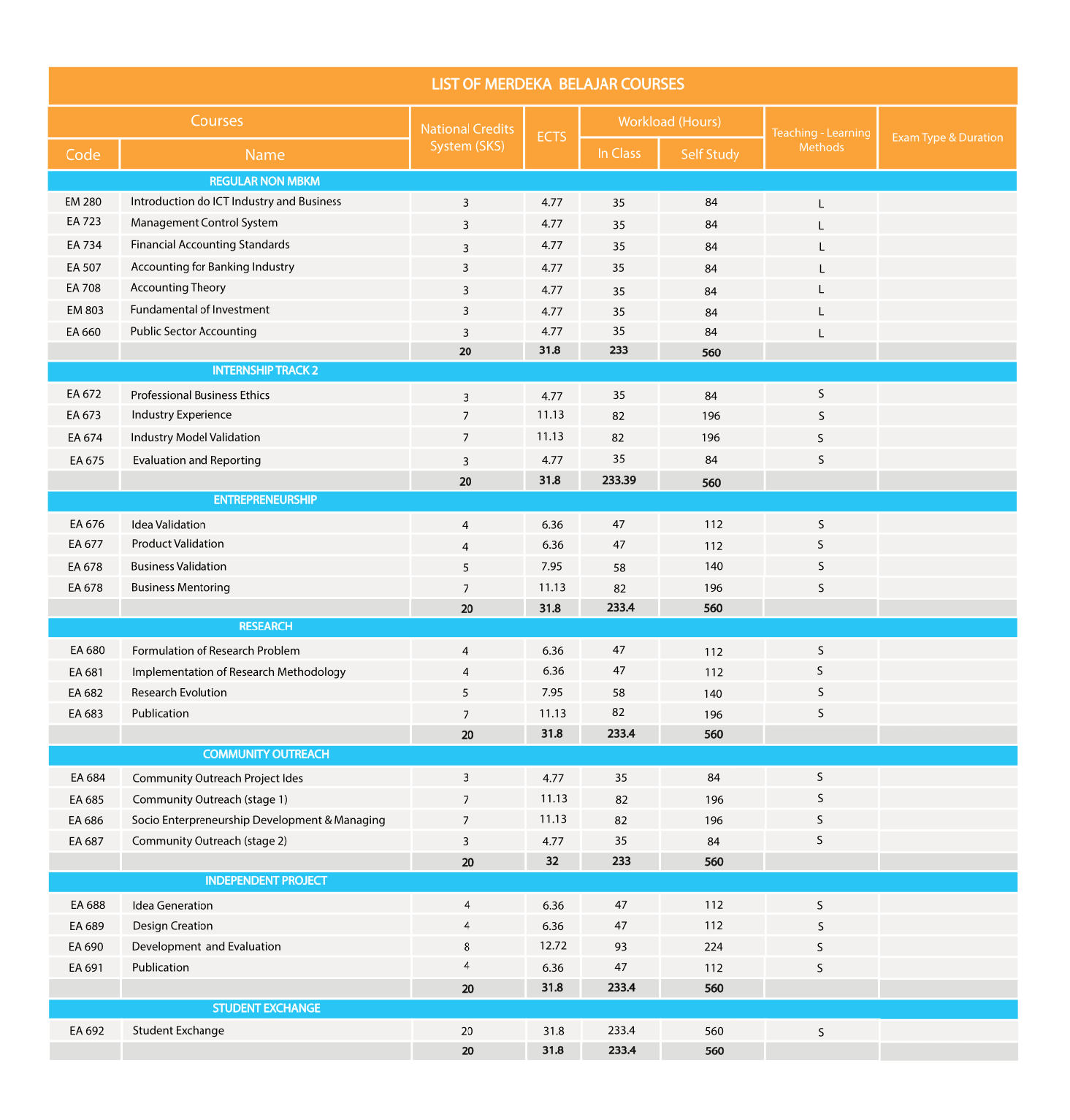
Course Structure
Course Structure
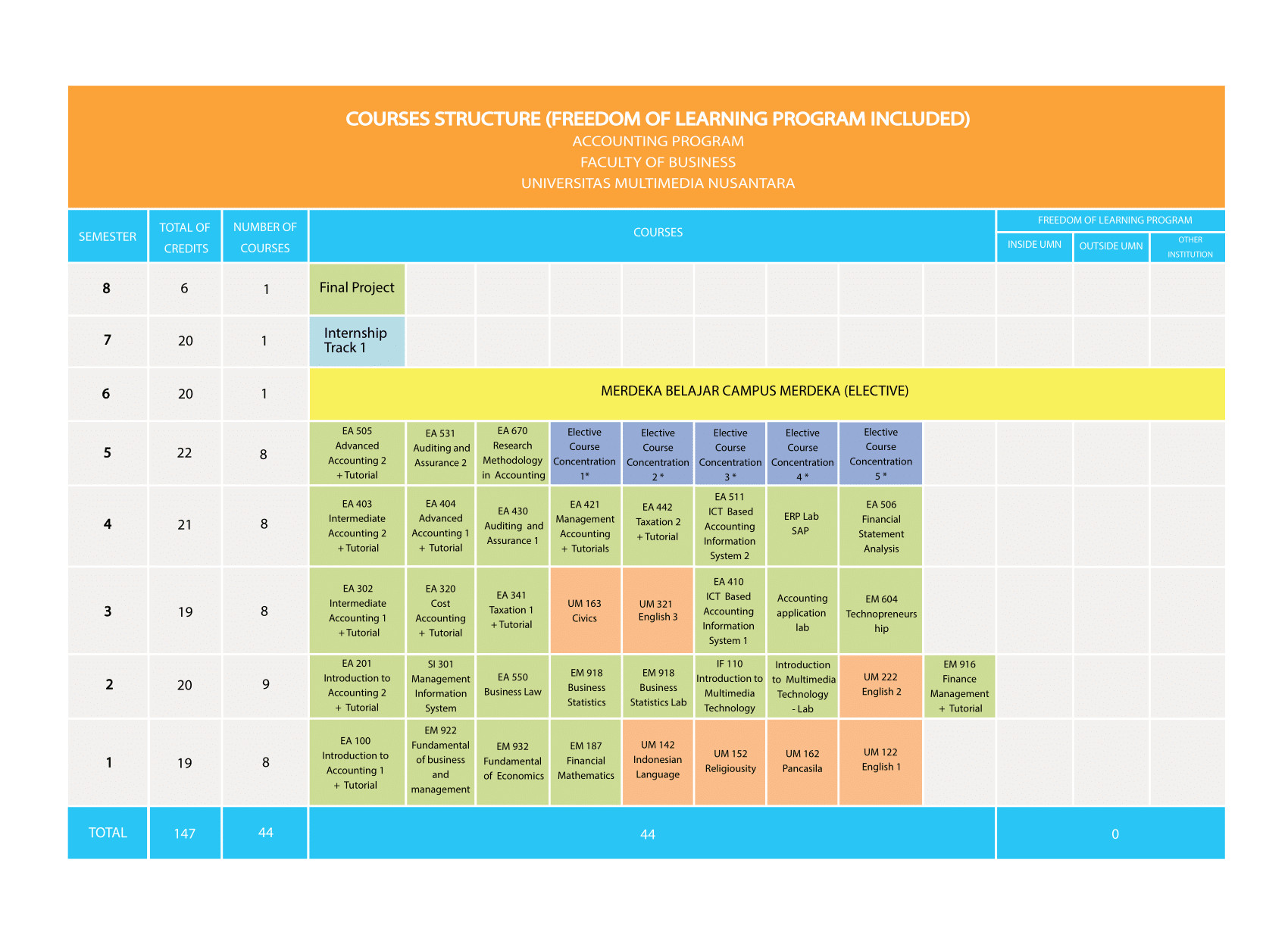
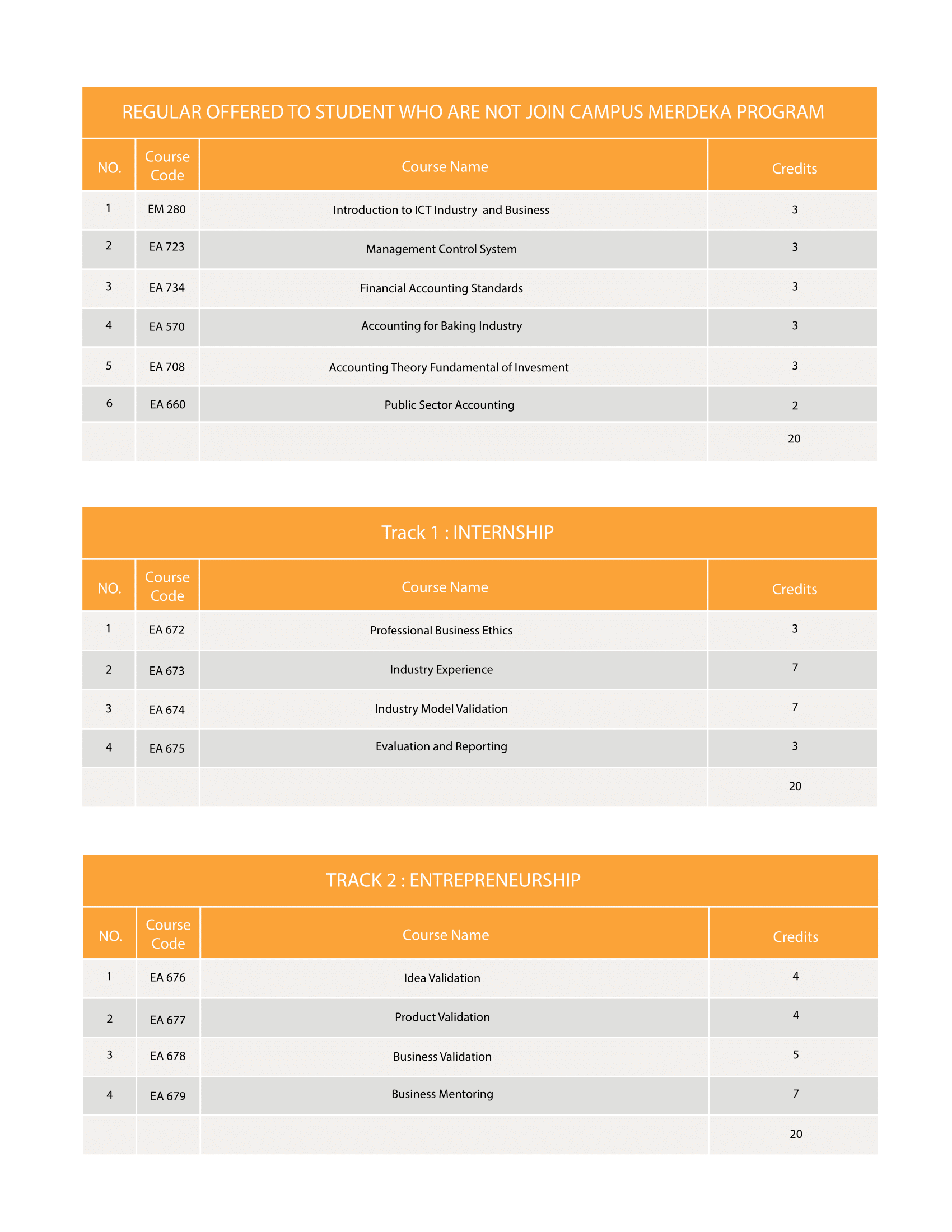
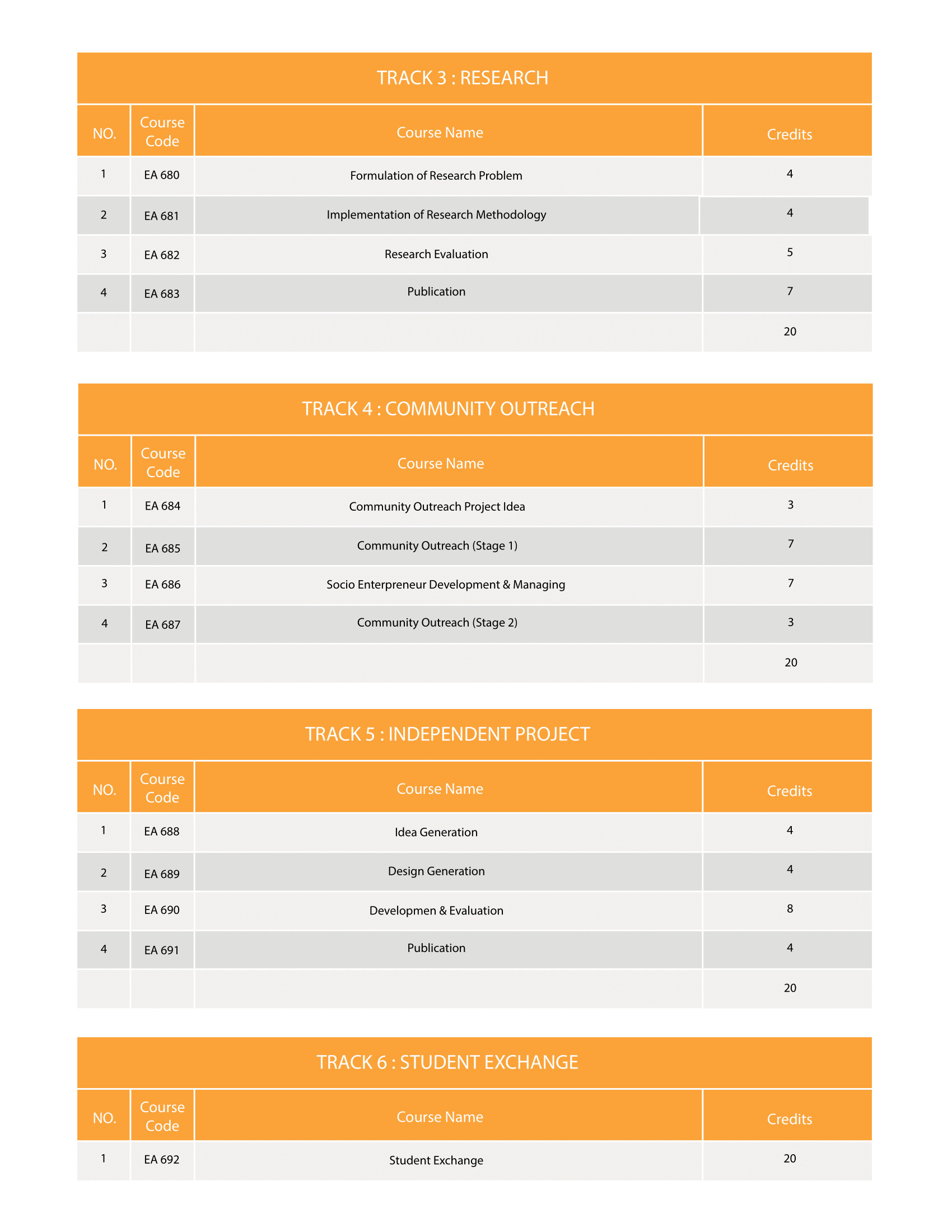
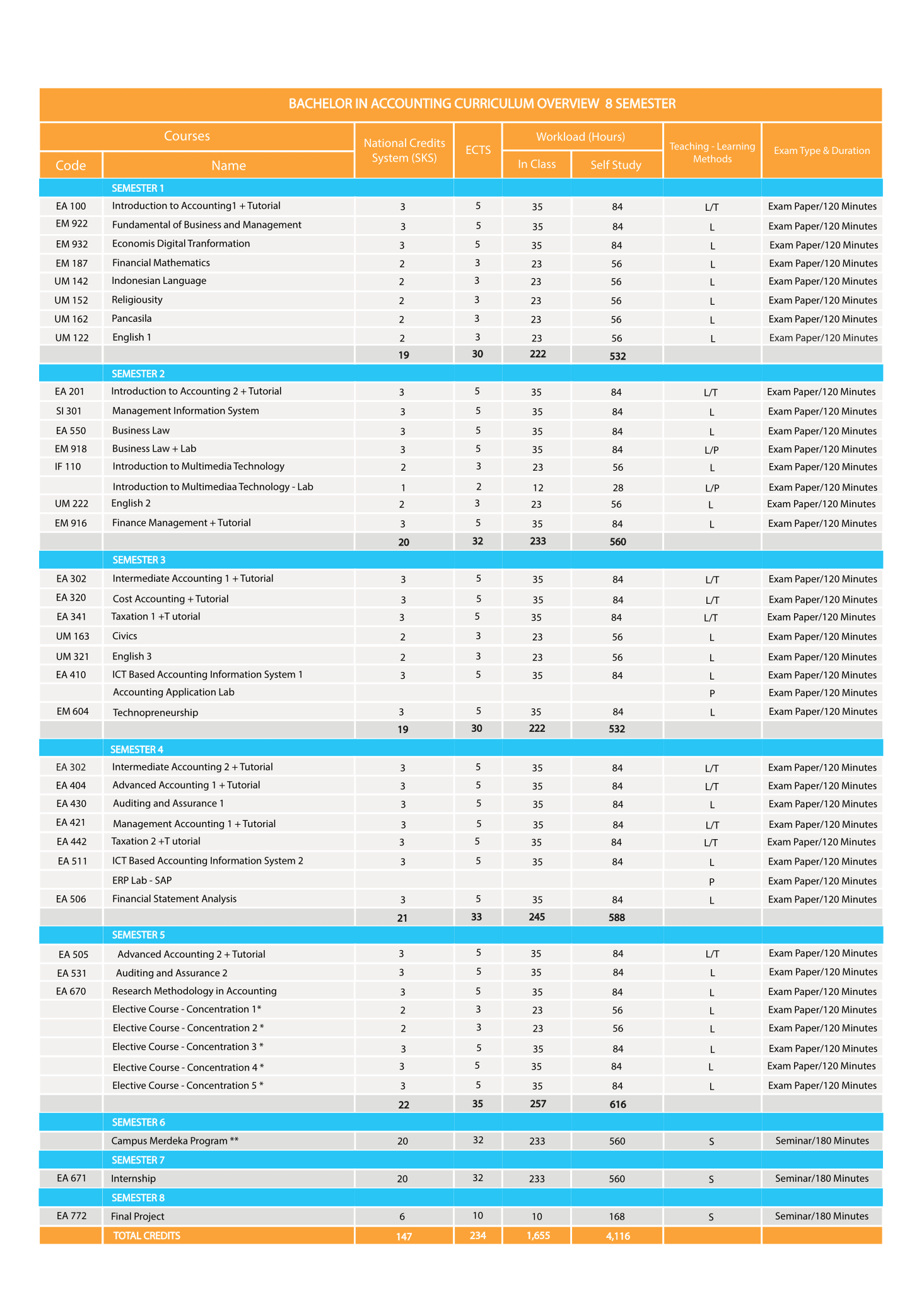
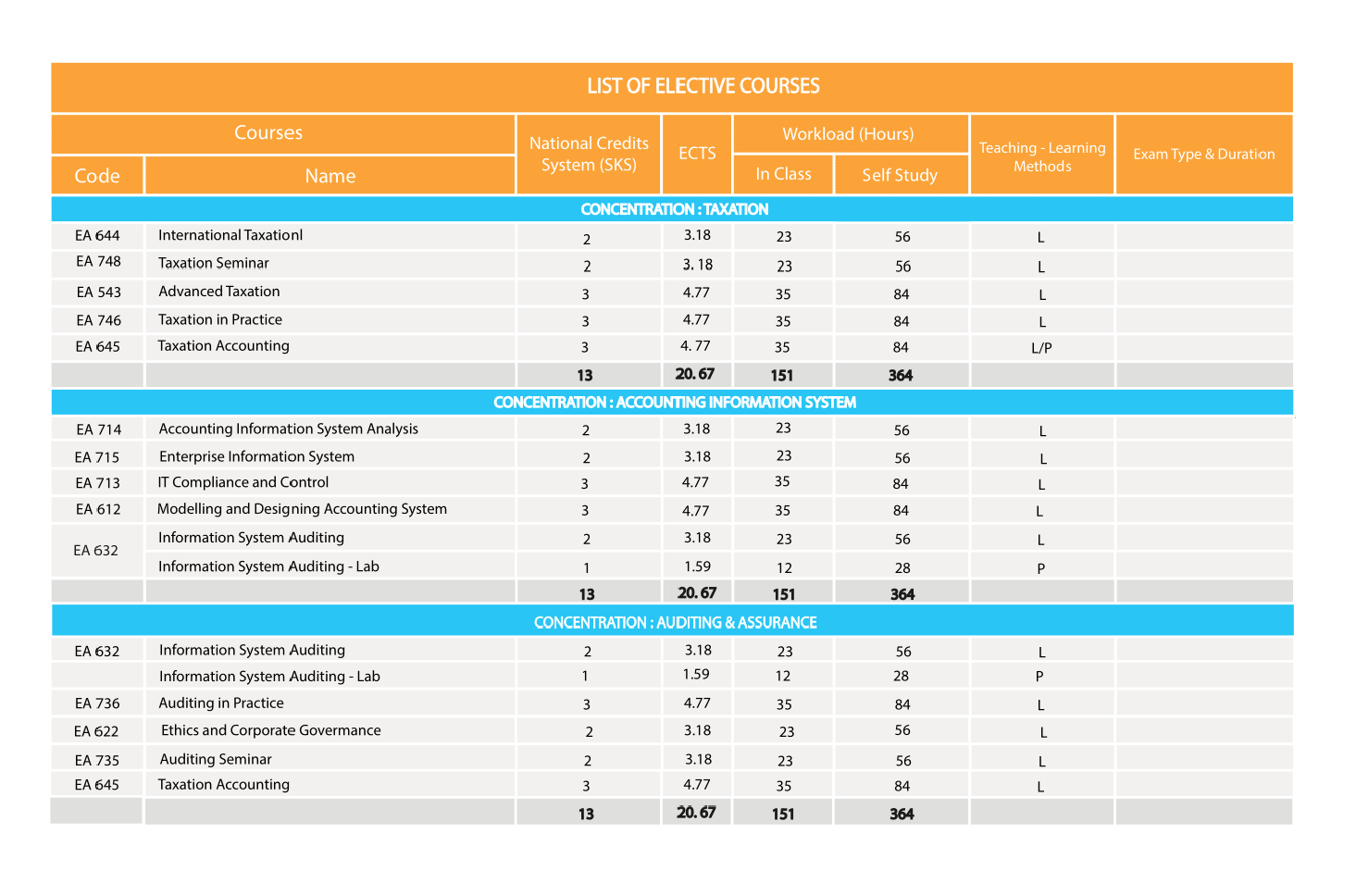
Curriculum Overview
Curriculum Overview
8 Semester
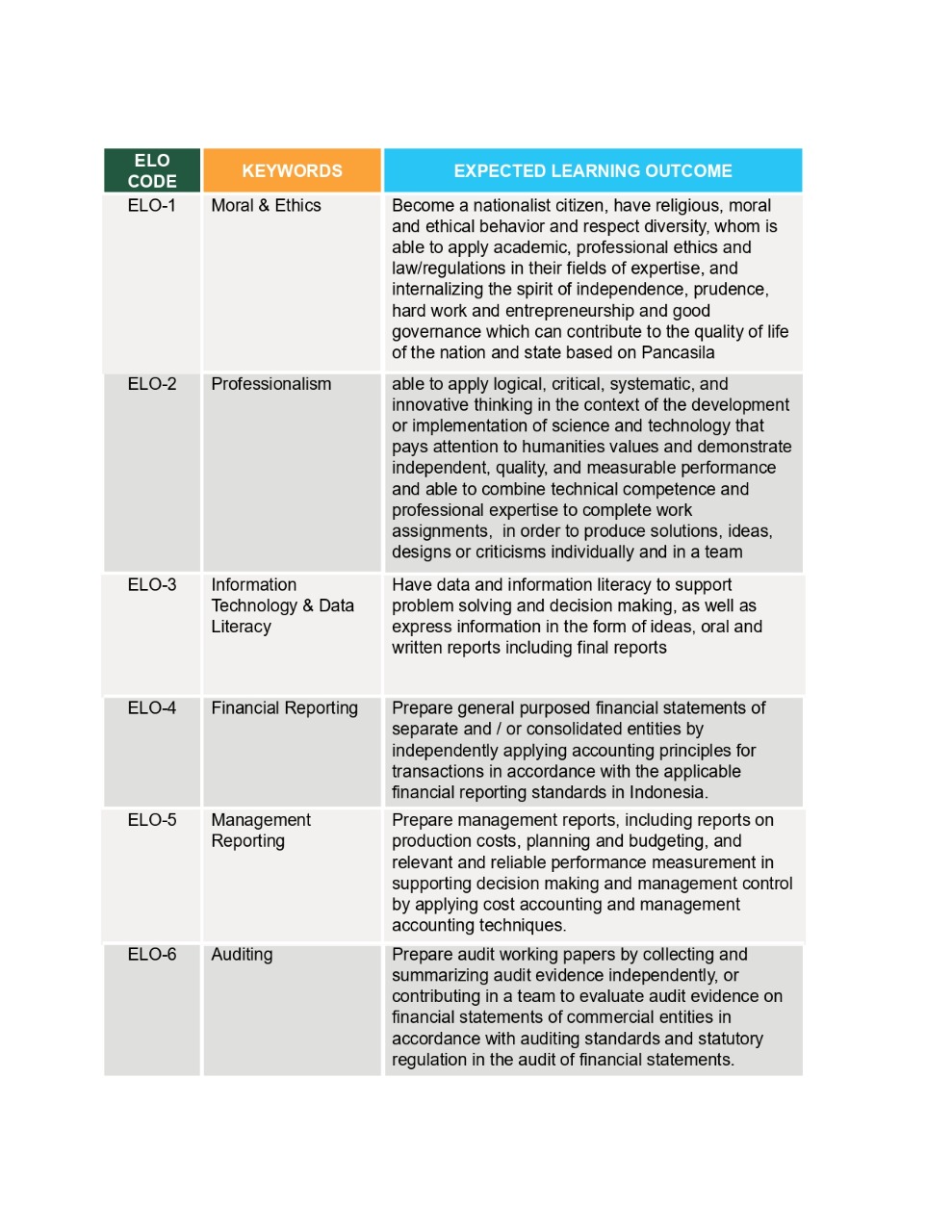
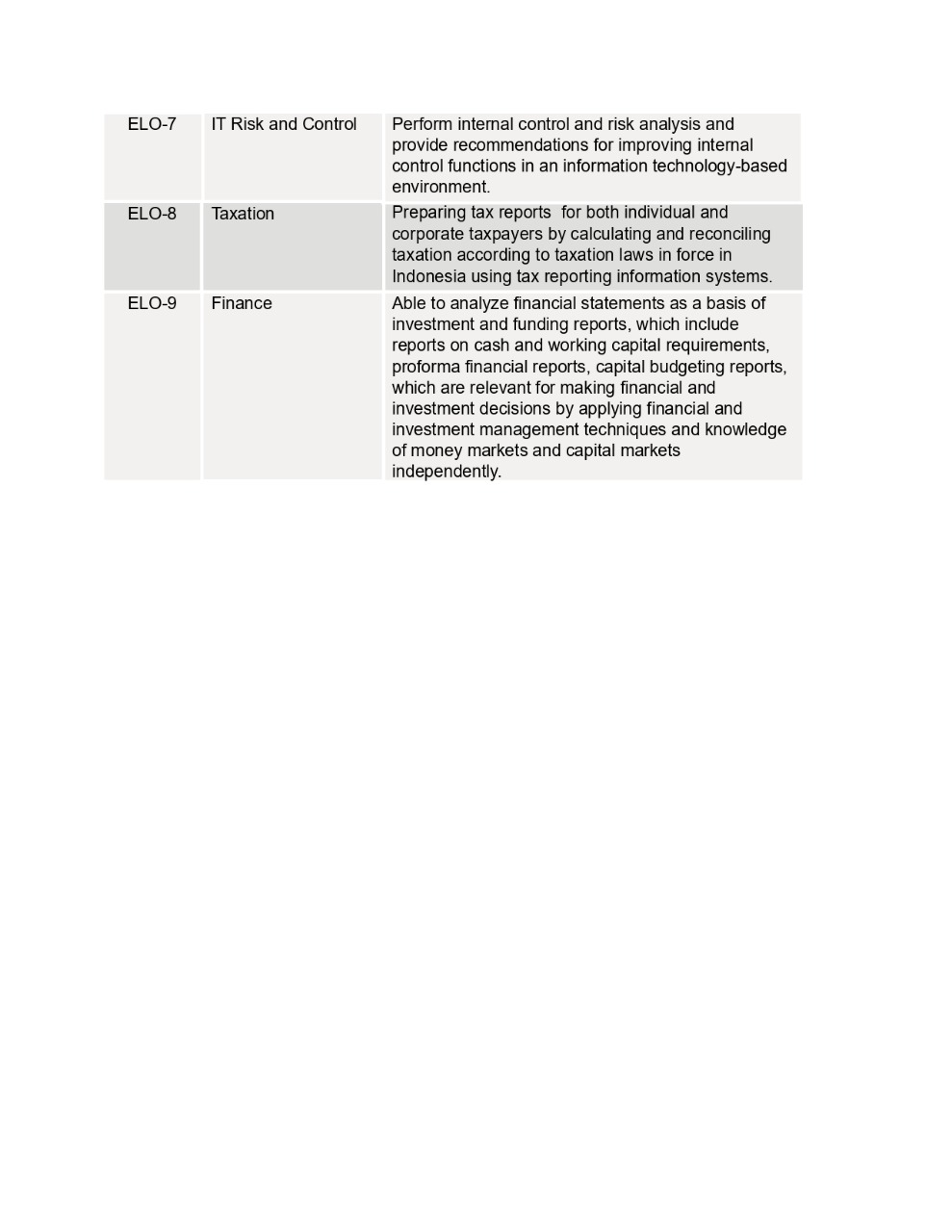
Expected Learning Opportunities (ELO)
Expected Learning Opportunities (ELO)
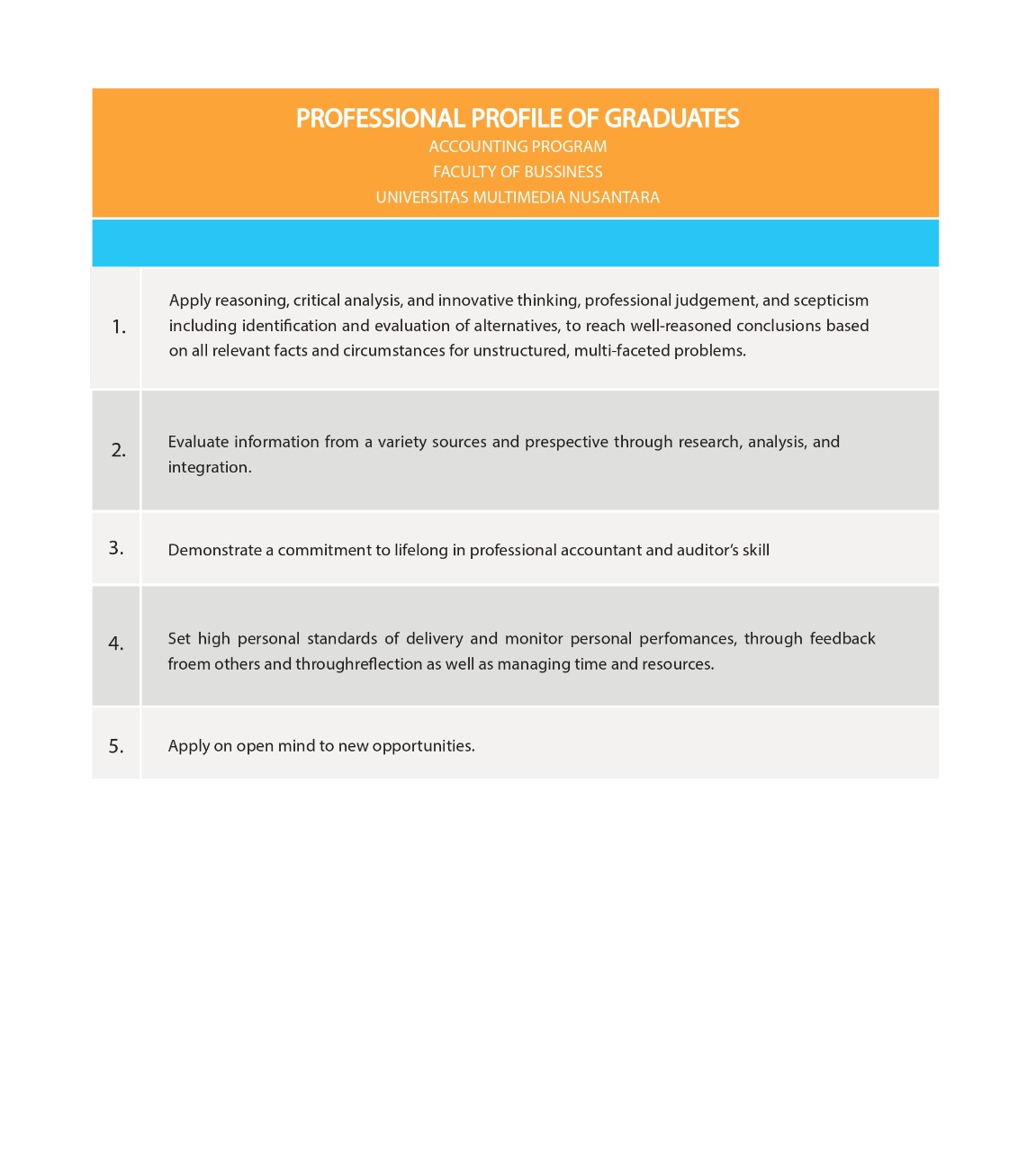
Graduate Professional Profile
Graduate Professional Profile
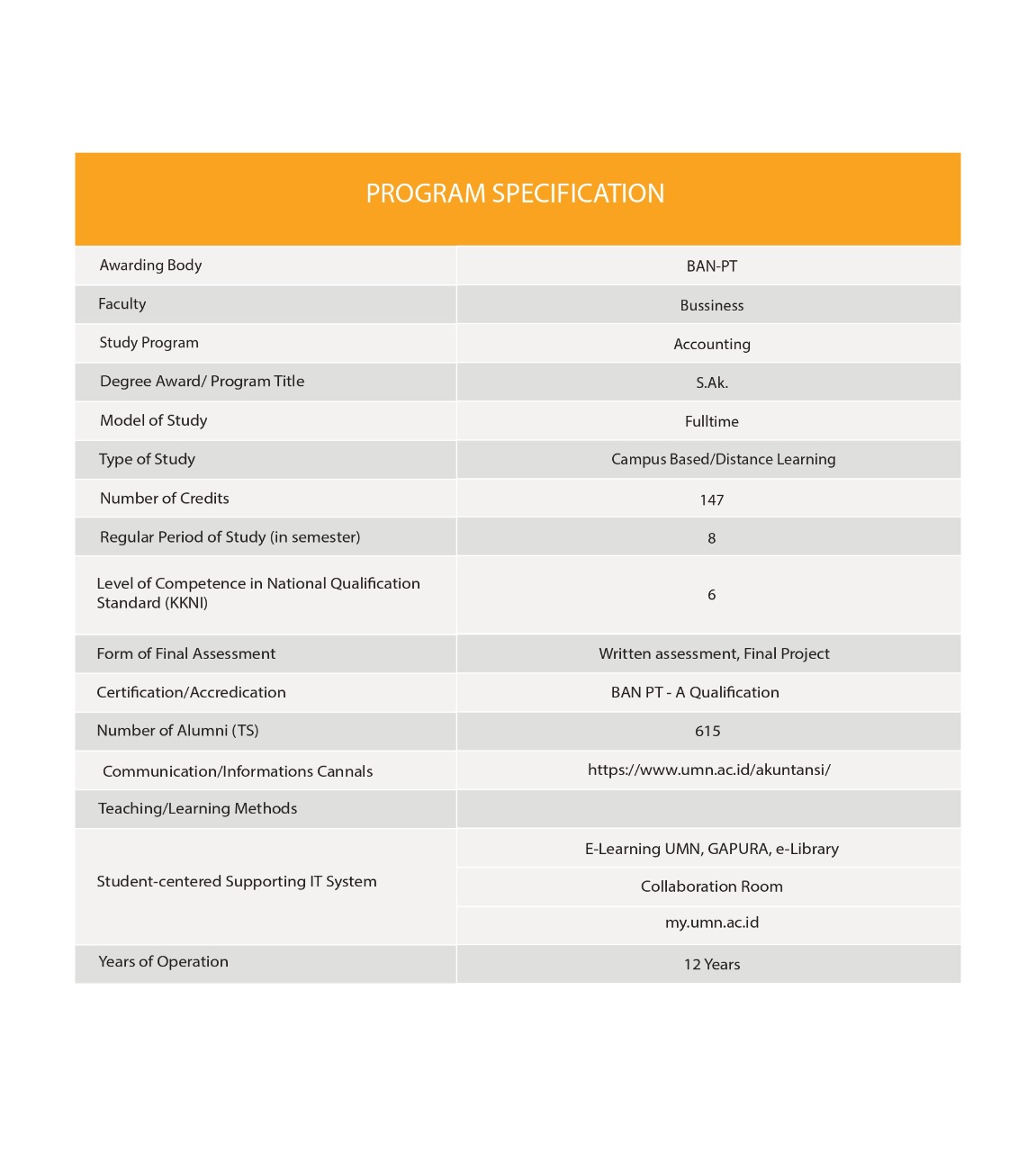
Program Specification
Program Specification












To support the learning process, umn provided a complete and sophisticated college facility, according to industrial standards. Through the existence of the facility, students have been invited to be close to the industrial world since sitting in college and to have competence that matches the needs of the industry. That way, it will make it easier for umn students to find jobs, even before graduation.

A laboratory equipped with technological tools that can help students hold discussions and design concepts. […]

Being under the guidance of the Regional Office of the Directorate General of Taxes of […]
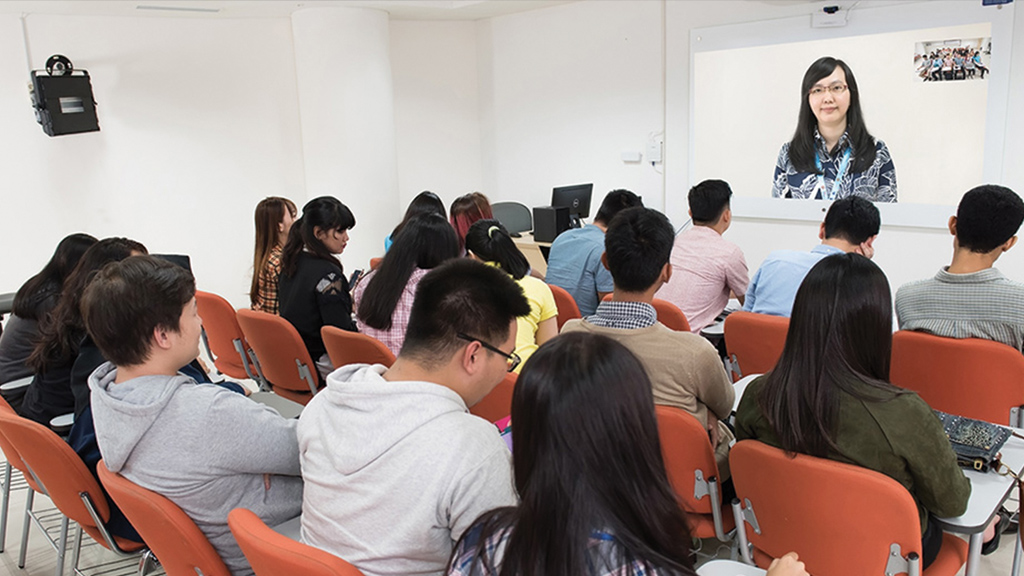
UMN developed two advanced online learning methods (e-learning) which are virtually synchronous and asynchronous. In […]
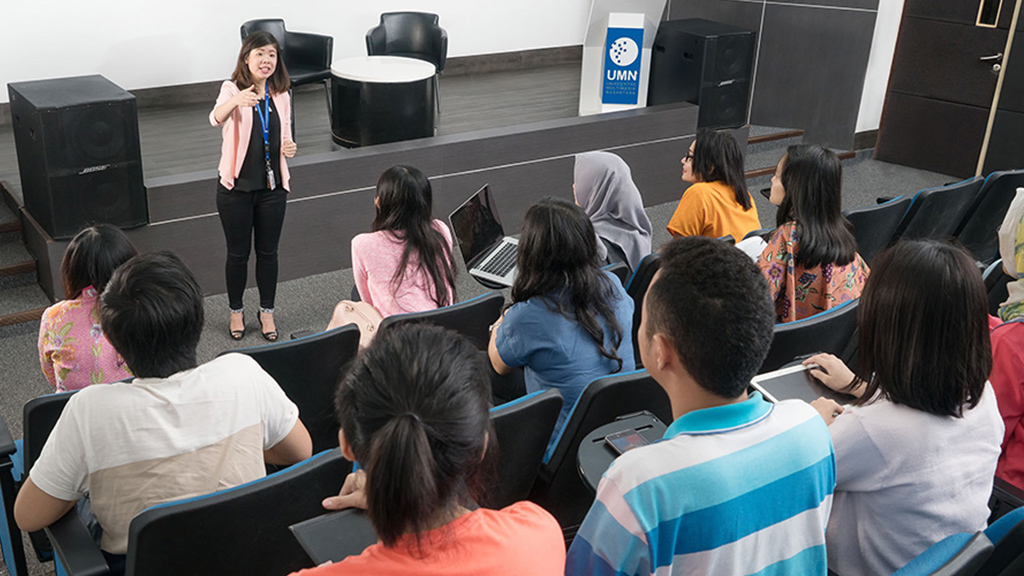
This modern theater hall has a capacity of up to 200 people. This room is […]


Every UMN student holds an account to log in to the MYUMN application that provides […]

UMN’s Wi-Fi has a free flow system where UMN students are not charged with cellular […]
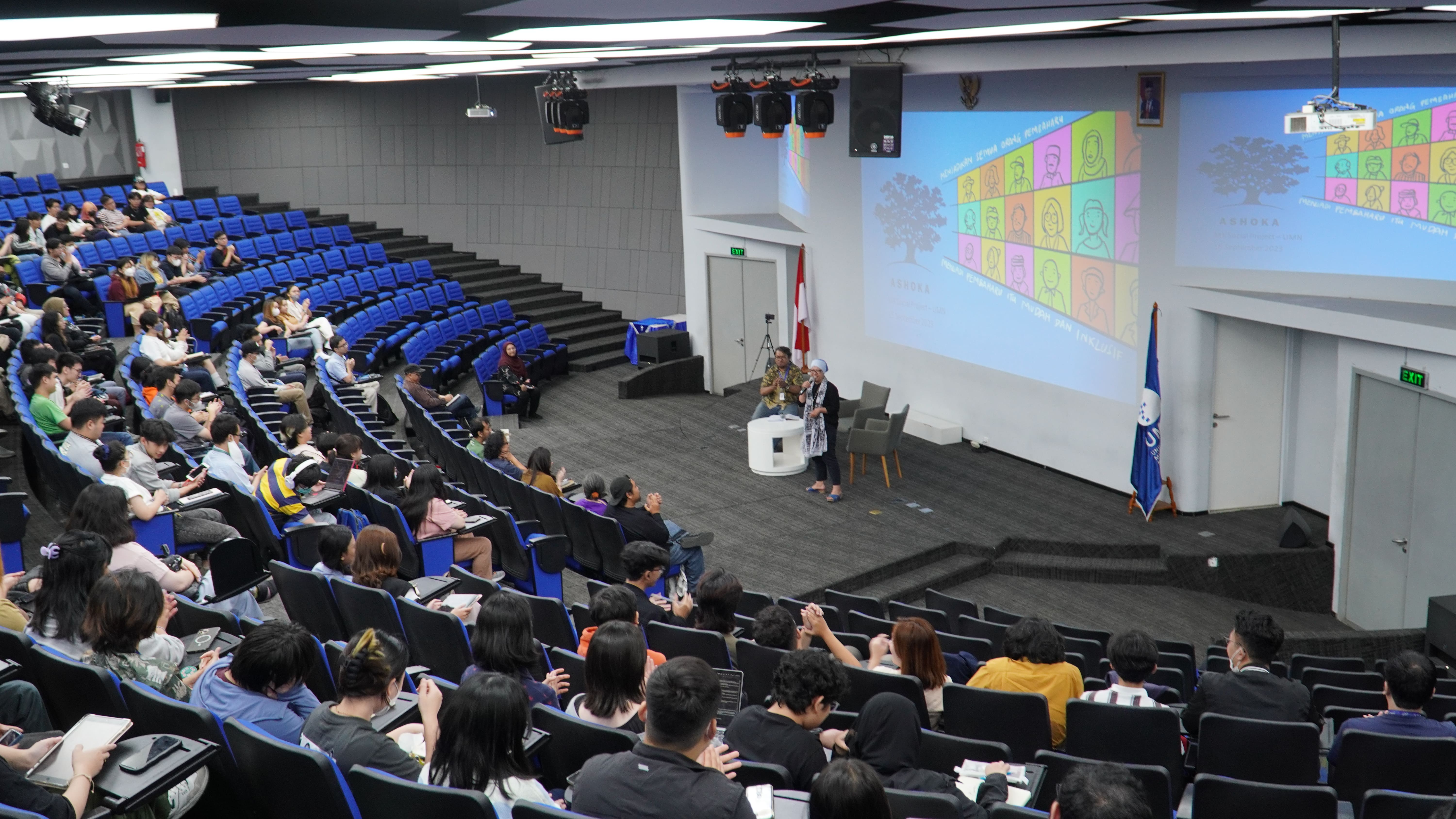
With a larger capacity compared to the other halls, the Lecture Theatre can accommodate up […]

UMN became the first campus established by Kompas Corner. Here, UMN students can access information […]

Extracurricular Student Activities
In order to help students explore and develop their non-academic potentials, UMN also provides a variety of extra-curricular activities for students which is locally called UKM, Student Activity Unit.

Student who are Nature Lovers in University Multimedia Nusantara can join and participate in UMN’s […]

Ultima Sonora is the Universitas Multimedia Nusantara Choir ensemble which has been established since 2007. […]


Traditional Music and Dance or familiarly known as TRACCE is one of the Student Activity […]


SEE OTHER
UMN’S STUDENT ACTIVITIES
Rekapitulasi Penelitian Hibah DIKTI - Akuntansi
Rekapitulasi Penelitian Internal - Akuntansi
PkM Independent Fund dan PT Internal
PkM-In-Country-Financing-Outside-PT
Rekapitulasi Hak Cipta 2022
Rekapitulasi Hak Cipta 2021
Rekapitulasi Hak Cipta 2016

Ferisca Sagita Landias
Accounting 2016 | External Auditor in PwC Indonesia
“UMN Accounting teaches step by step, starting from the basic level which makes students understand the basics and continues to the next step to an advanced level which is useful in the world of work. Various events and competitions at UMN also provide new experiences for students.”
“During my time in Accounting Program at UMN, I was well-equipped with basic scienc that is very useful in the world of work. Not only the theory but also the practice that makes it very easy for me to deal with real work. UMN students are taught to keep up with the technology which greatly facilitates jobs in the fields such as System Analysis and Program Development (SAP), or International Financial Reporting Standards (IFRS). As a plus, the green and beautiful campus environment makes me feel comfortable to go to college.”
Janice Lalita Chandra
Alumni Akuntansi 2014
Associate 2 di Ernst and Young (KAP Purwantono, Sungkoro, & Surja)
Accounting
“An accountant is not only required to deliver financial statement and accounting information reports, but he is also required to gain the ability and deep understanding about ICT.”
Stefanus Ariyanto, S.E, M.Ak. CPSAK
Head of Accounting Program