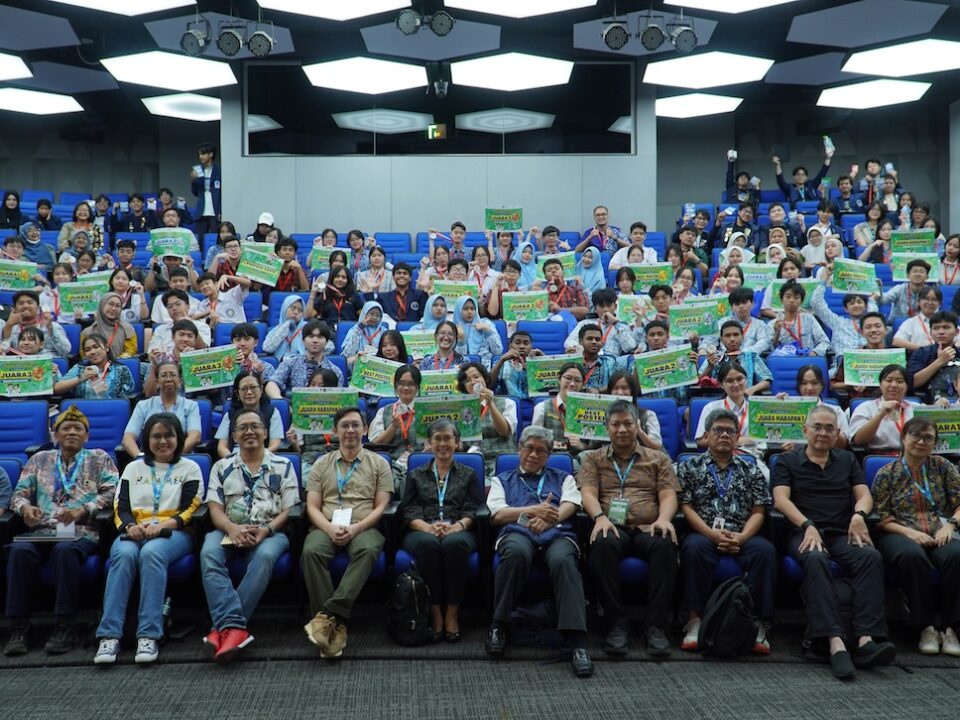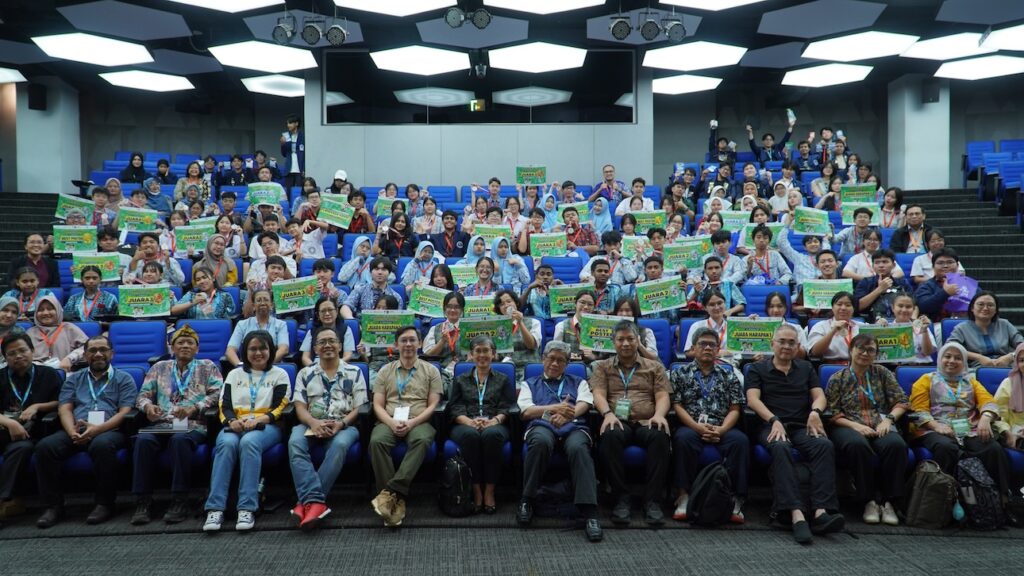

LPB Banten 2026 Encourages Young People to Develop Their Ideas Through Research
September 29, 2026

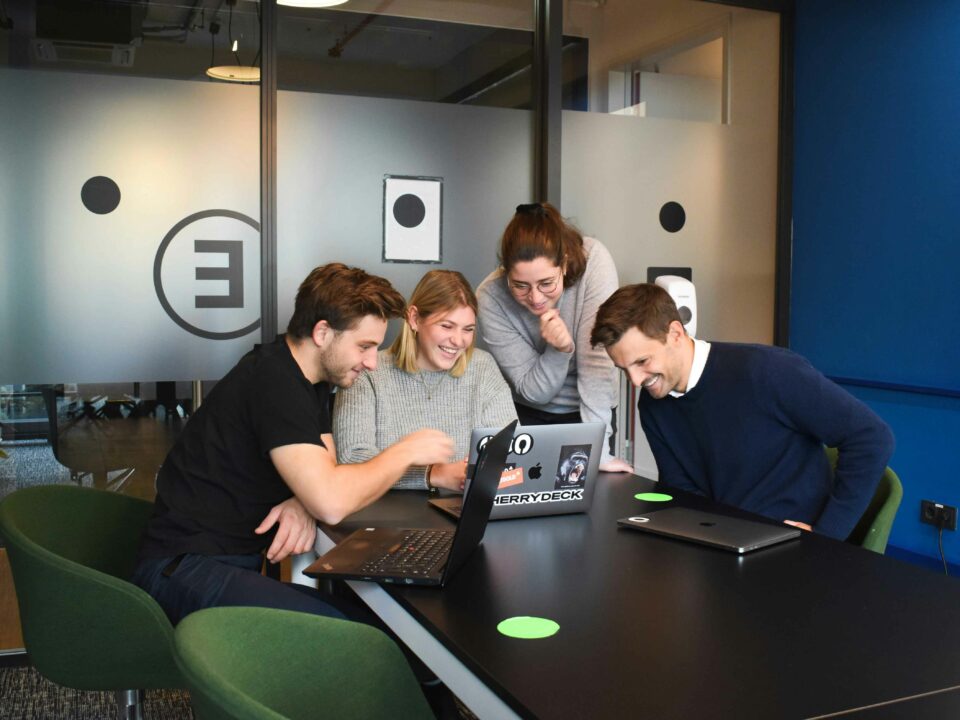
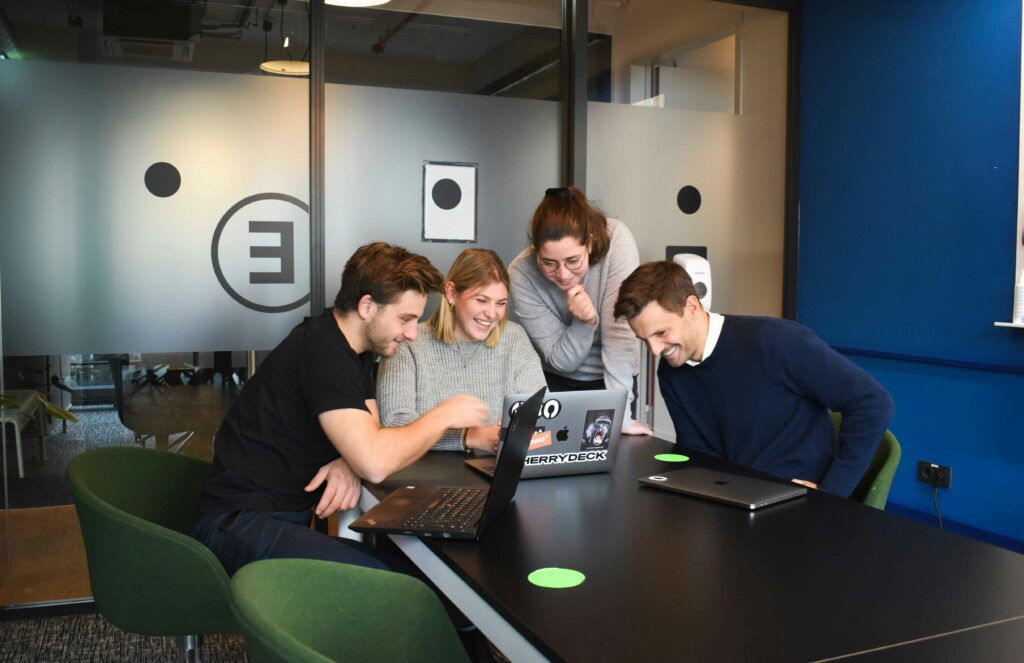
The digital carbon footprint, a hidden danger in the digital age. (Source: Unsplash/Gilles Lambert)
Every time you send a WhatsApp message, watch a video on YouTube, or save a file to the cloud, you leave behind a carbon footprint. It’s called a digital carbon footprint—the greenhouse gas emissions produced by all of our digital activity.
Read also: 5 Study Programs That Focus on Green Technology.
What Is a Digital Carbon Footprint?
A digital carbon footprint is the total emissions produced by information and communication technology. This covers emissions from hardware (laptops, smartphones), data centers, and network infrastructure. Many people assume the internet is a “weightless” thing, but behind the screen, enormous data centers run 24/7 and consume electricity in staggering amounts.
The Impact of the Digital Carbon Footprint: The Numbers Are Startling
Our digital activity has a significant impact. Here’s the latest data you should know about:
-
The ICT sector accounts for 1.5–4% of global emissions
According to a 2024 World Bank report, the information and communication technology sector accounts for at least 1.7% of global carbon emissions, on par with the aviation industry.
-
Web tracking adds 21% more emissions
A study on arXiv (April 2023) found that online tracking practices increase data transmission by up to 21%, resulting in roughly 11 million tons of greenhouse gases emitted each year.
-
AI emissions double every 100 days
Ryan Carey of the University of Reading has said that AI-related carbon emissions double every 100 days. Google’s 2025 report recorded an 11% rise in emissions over the year, reaching 11.5 million tons—up 51% from 2019 levels.
Read also: Facilities and Green Technology on a Modern Sustainable Campus.
How Students Can Reduce Their Digital Carbon Footprint
Students are among the most active digital users, spending 8–10 hours a day in front of a screen. Here are some practical steps you can take:
-
Cut back on high-quality streaming
Video streaming is the most energy-hungry activity. Watching in 4K uses four to five times more data than 480p. Just drop down to 720p or 480p when you don’t need that much detail.
-
Send links, not attachments
Thomas Achhorner of ERM has pointed out that attaching a file to an email produces a surprising amount of emissions, while attaching a link leaves a far smaller footprint. Get into the habit of sharing files through Google Drive or another cloud link.
-
Delete files and apps you don’t use
Every file in the cloud still needs server energy to keep it there. Take time to clear out your Downloads folder, delete apps you never open, and remove old emails with large attachments.
-
Turn off devices when you’re not using them
Shutting your laptop down overnight, or putting it into sleep mode, saves a significant amount of energy. Set your devices to sleep after 15 to 30 minutes of inactivity.
-
Write effective AI prompts
If you use AI for your coursework, make your prompts more efficient. Rather than spending 15 minutes getting to the right result, optimize your query, advises Abhijit Sunil of Forrester Research. A better prompt means less processing and fewer emissions.
Read also: Green Jobs: New Career Opportunities for Students!
Conclusion
The digital carbon footprint is the hidden reality of our digital lives. With the ICT sector accounting for at least 1.7% of global emissions and AI emissions doubling every 100 days, it’s time to act.
As a student, start with the simple things: lower your streaming quality, send links instead of attachments, delete files you don’t need, and make your devices last longer. Every small action, taken together, adds up to a real impact on the planet.
Starting today, be a student who’s both digitally smart and kind to the environment!
By Levina Chrestella Theodora
English translation by Levina Chrestella Theodora
Kuliah di Jakarta untuk jurusan program studi Informatika| Sistem Informasi | Teknik Komputer | Teknik Elektro | Teknik Fisika | Akuntansi | Manajemen| Komunikasi Strategis | Jurnalistik | Desain Komunikasi Visual | Film dan Animasi | Arsitektur | D3 Perhotelan , di Universitas Multimedia Nusantara. www.umn.ac.id