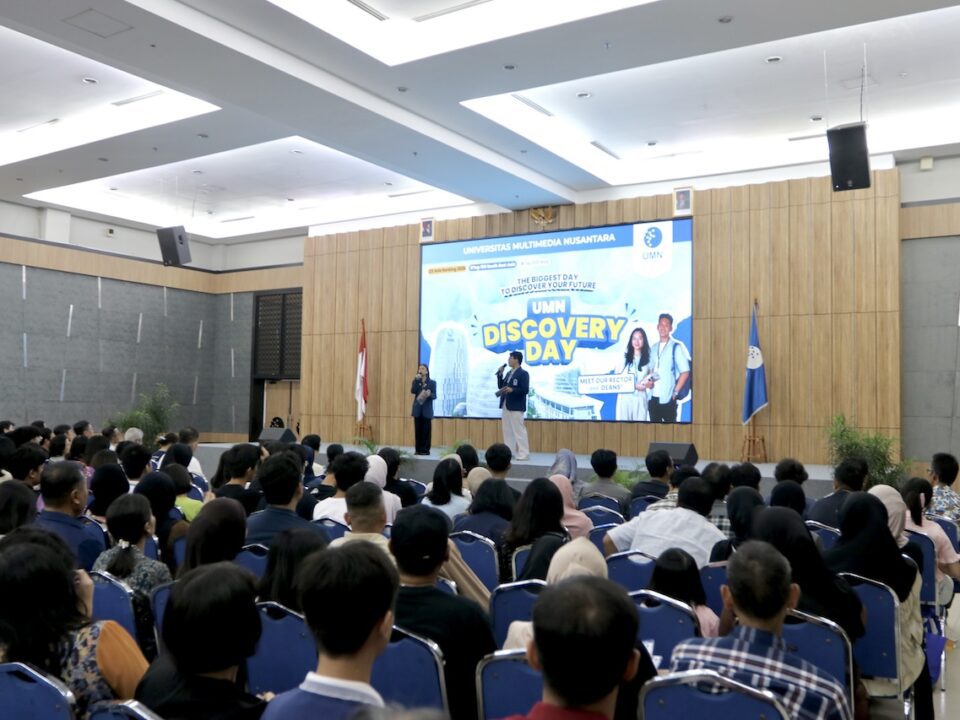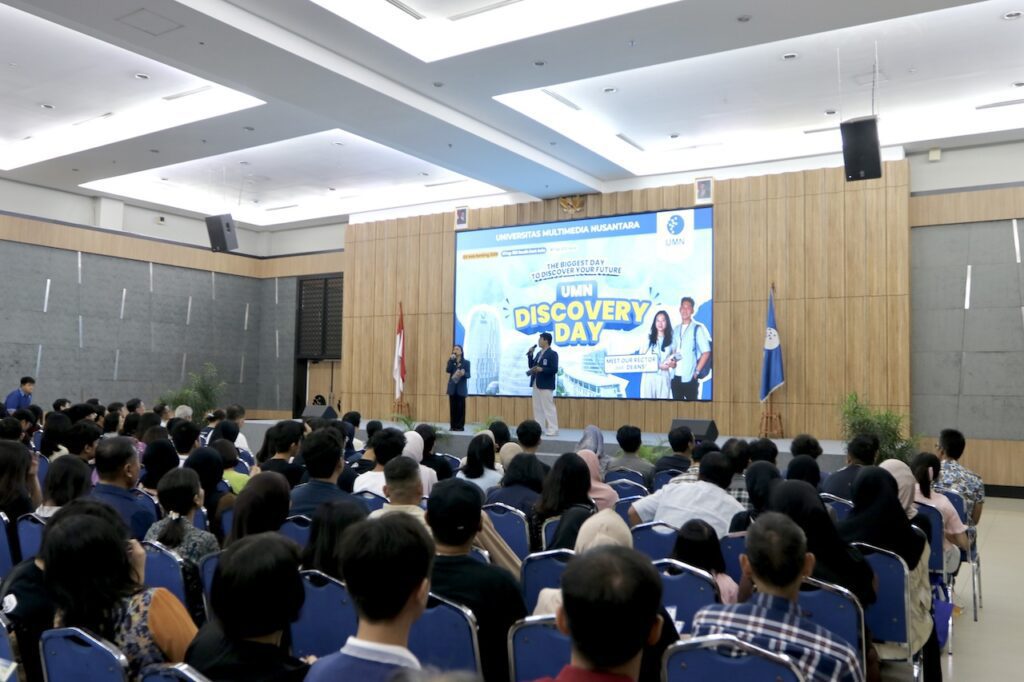

Opening The Way for Education and Industry Collaboration, UMN Partners with WIN100
September 25, 2026
UMN and Raja Ampat Regency Strengthen Collaboration to Promote Equal Access to Education
September 21, 2026
As artificial intelligence (AI) develops more rapidly, more people are becoming interested in learning Data Analytics. Various AI tools can now create formulas, write queries, and even explain code in seconds.
However, the sheer number of available tools and skills can also make the learning process feel overwhelming. Excel, SQL, Python, data visualization, and AI each serve different functions. In fact, learning Data Analytics does not have to start with mastering everything at once.
For students, Data Analytics skills can prepare you to process data for assignments, research, and projects, as well as to enter the workforce. Meanwhile, for professionals, these skills can help process work data, uncover insights, and build capabilities relevant to industry needs.
The learning process can begin by building a few basic foundations, which can then be developed according to each person’s needs and goals.
1. Excel for understanding and processing data
Excel is a basic skill you can use to start understanding Data Analytics. Through Excel, you can learn processes such as sorting, filtering, using formulas, and creating data summaries step by step.
For example, you can use sales data to identify best-selling products, compare performance across periods, or find patterns in the data.
For students, this skill can help in processing data for assignments, research, and projects. Meanwhile, professionals still use Excel to process and summarize the data they encounter in daily work.
Takeaway: it is not merely about memorizing many Excel formulas, but about understanding how data can be processed to meet specific needs.
2. Analytical thinking for understanding problems
Mastering tools alone is not enough to carry out good analysis. Before processing data, you must understand the problem and determine what information you are looking for.
For example, when sales decline, the analysis does not stop at the question “how big is the decline?” The analysis can continue by looking at when the decline occurred, which products or regions were affected, and what factors may be related.
Takeaway: analytical skills help determine the right questions before using tools such as Excel, SQL, or AI.
3. AI as a companion for learning and analysis
AI can speed up both learning and data analysis. For example, AI can help explain Excel formulas, provide SQL query examples, or explain concepts that still feel difficult.
However, use AI as a companion, not a replacement for basic understanding. The results it provides still need to be checked and understood, so its use doesn’t become a matter of simply following the AI’s output.
Takeaway: the stronger your Data Analytics foundation, the better AI can support the learning and analysis process.
You can build a Data Analytics foundation step by step, from understanding how to process data to using AI as a learning companion. DQLab offers a Data Analytics scholarship program that lets students learn from the basics, starting with Excel and SQL and moving on to other Data Analytics skills. Claim the scholarship now here: https://bit.ly/DQMEDIA
English translation by Levina Chrestella Theodora
Kuliah di Jakarta untuk jurusan program studi Informatika| Sistem Informasi | Teknik Komputer | Teknik Elektro | Teknik Fisika | Akuntansi | Manajemen| Komunikasi Strategis | Jurnalistik | Desain Komunikasi Visual | Film dan Animasi | Arsitektur | D3 Perhotelan , di Universitas Multimedia Nusantara. www.umn.ac.id