Bachelor of
Visual Communication Design
What is Visual Communication Design?
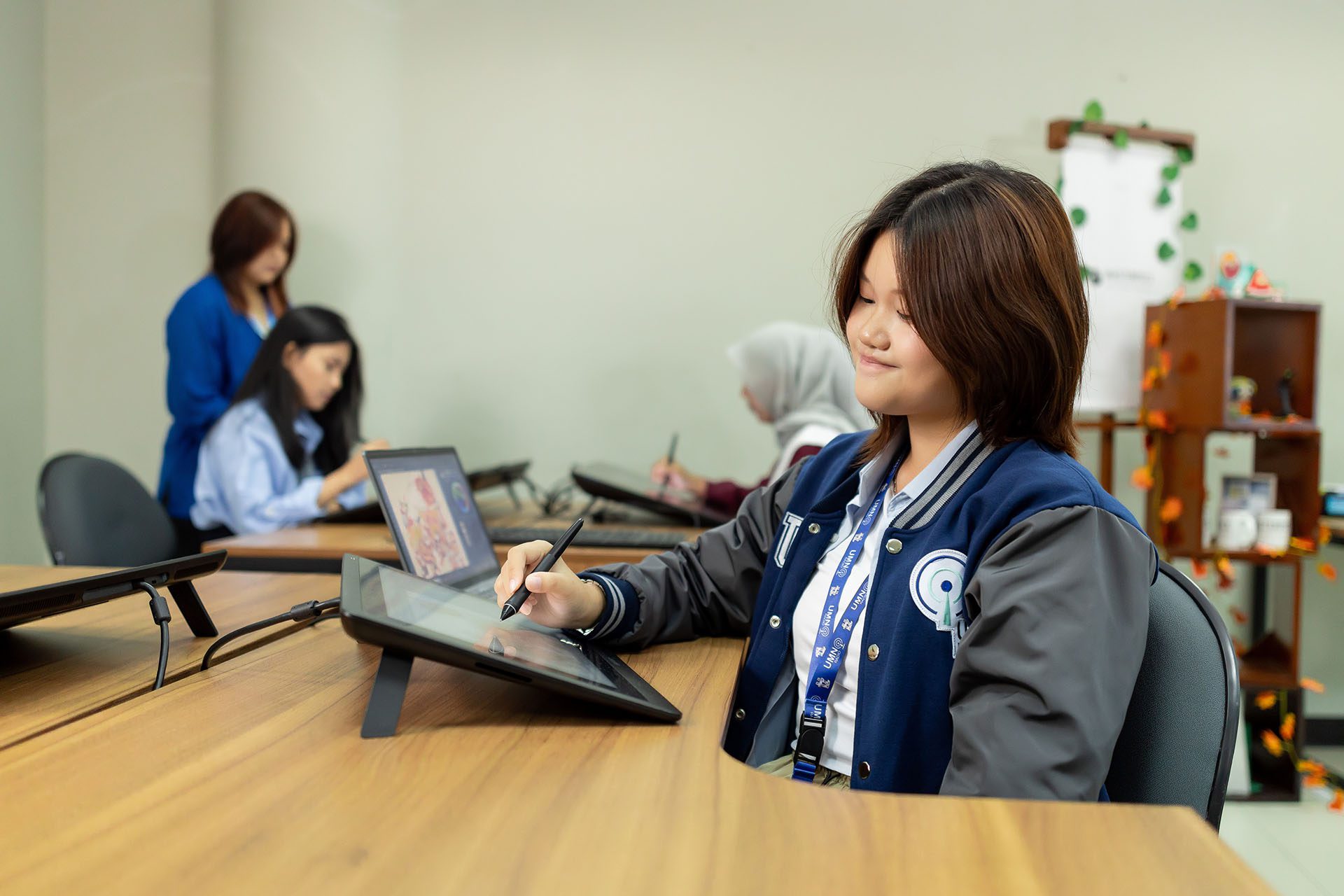
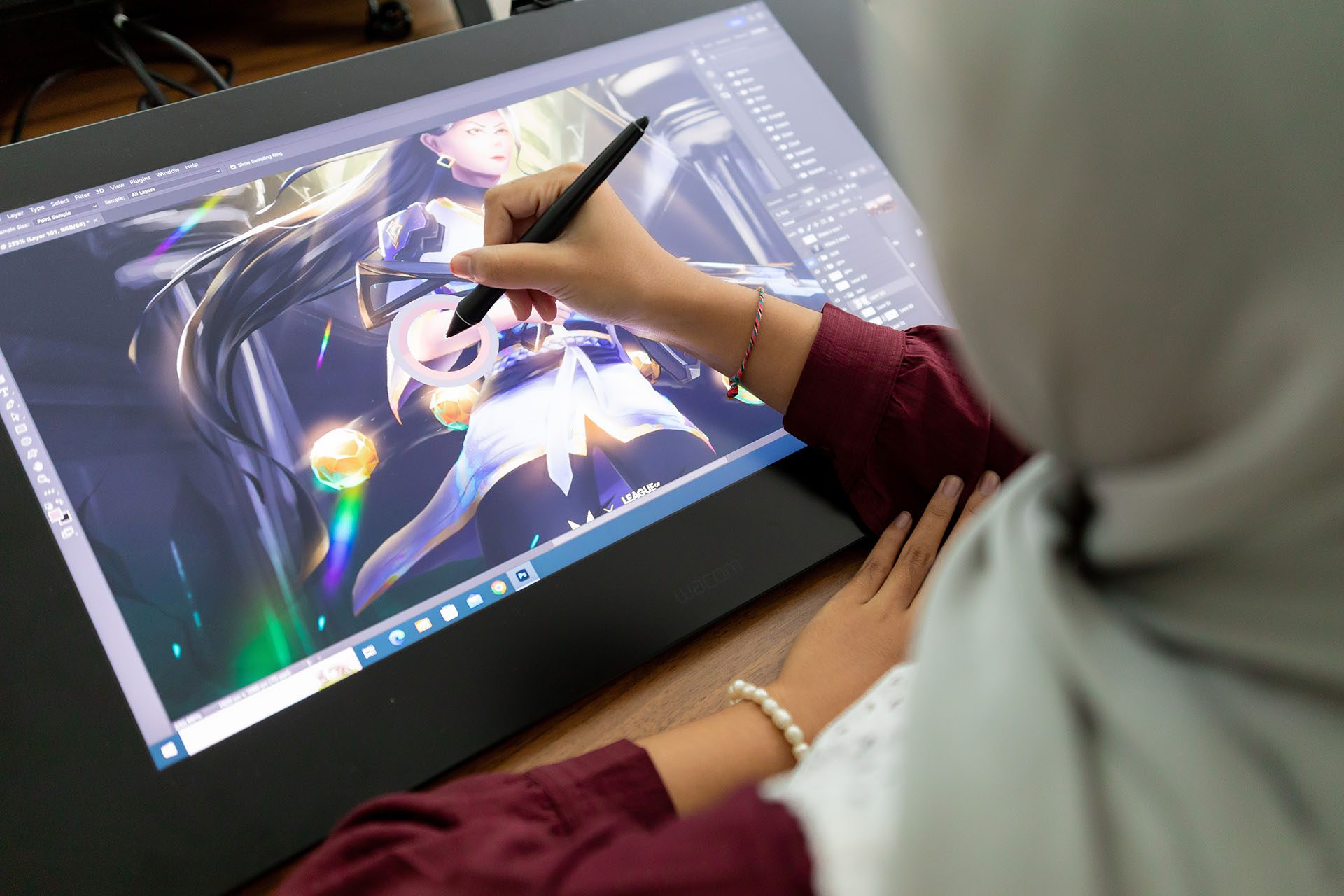
Visual Communication Design is the study of the application of art and design in communicating a portrayed message. Through this study program students get acknowledge how the application of art and design conceives solutions to problems in society enabling students to design a communication phenomenon through a visual element in a variety of media to create a change for the world. The DKV study program becomes a place for students to develop their creativity and innovation as well as their skills in the arts and design department to suit global competencies and future industrial needs.
Why Choose UMN’s
Visual Communication Design?
The Visual Communication Design study program at Universitas Multimedia Nusantara upholds the values of archipelago and prioritizes leanings based on the development of information technology (ICT) that is suited to the needs of the industry in the future.
To support this, the UMN’s DKV study program applies an up-to-date curriculum facilitating students with complete facilities and infrastructure, as well as professional teaching staff. Furthermore, students will be equipped with the development of an entrepreneurial mindset that prepares them to be ready to face real industrial work later on. In addition to this, this study program has also been recognized by industry and design professional associations both nationally and internationally.
FAQ
Why Choose UMN Visual Communication Design (DKV)? Get to Know the Curriculum and Major Options
Choosing a Visual Communication Design (DKV) Study Program is no longer just about learning to create graphic designs or produce visual works. Developments in technology and the creative industry have broadened the role of designers, from designing brand identities and user experiences to games and immersive experiences.
Therefore, prospective students need to consider whether the curriculum offered by a university can keep up with industry developments while also providing opportunities to explore their interests. The Visual Communication Design (DKV) Study Program at Universitas Multimedia Nusantara (UMN) addresses these needs through a modern educational approach with the tagline “Evolving Experience.”
DKV UMN does not only focus on visual design
One of the reasons to choose DKV UMN is its learning approach, which expands the role of designers from visual design to experience design.
Through a multisensory and multidisciplinary approach, students are not only required to produce visually appealing work, but also to understand how a design can create relevant and empathetic experiences for people.
The DKV UMN curriculum is also designed to be adaptive, so it not only responds to current creative industry trends but also prepares students to meet future needs.
Using the M-shaped approach
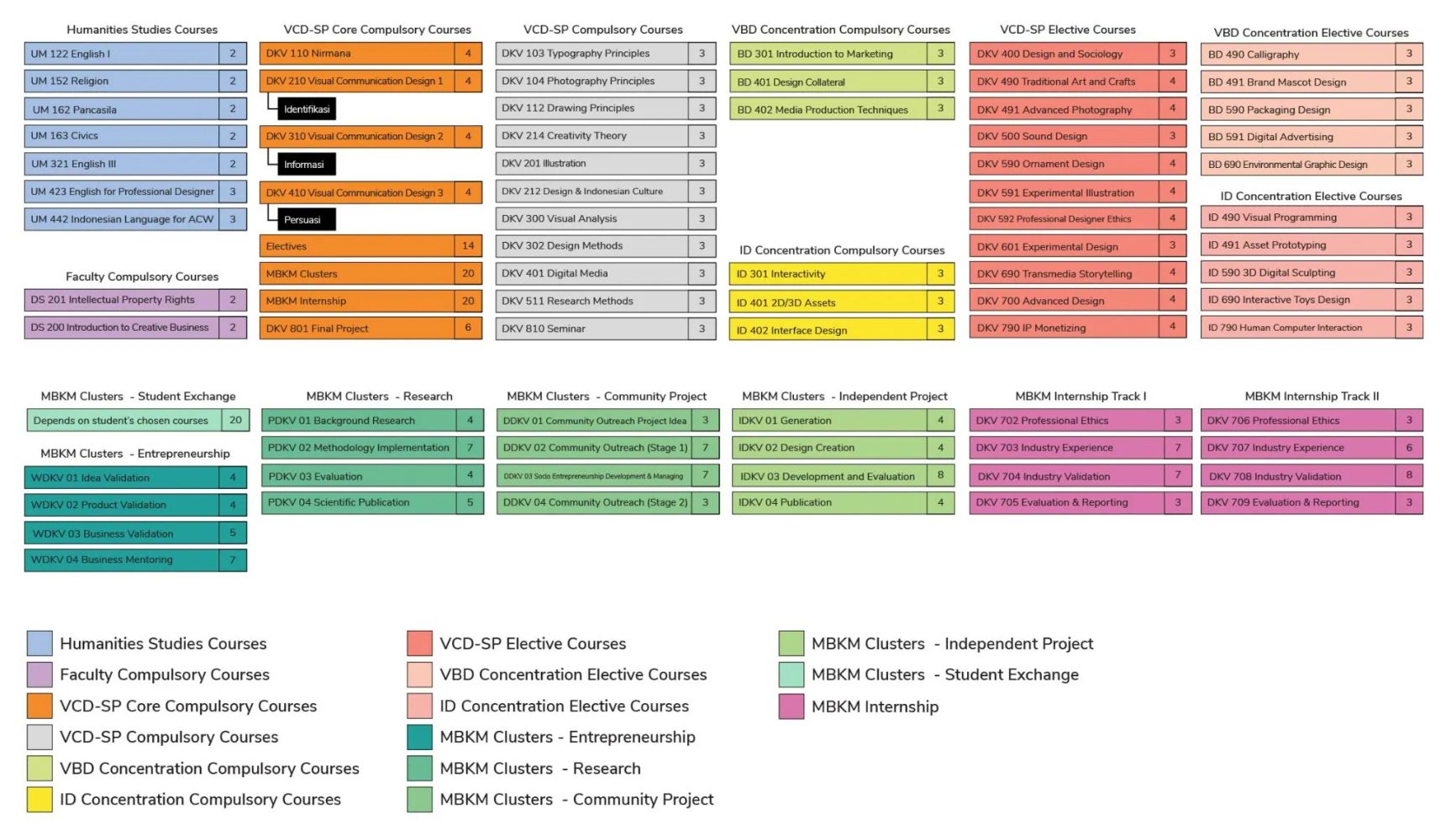
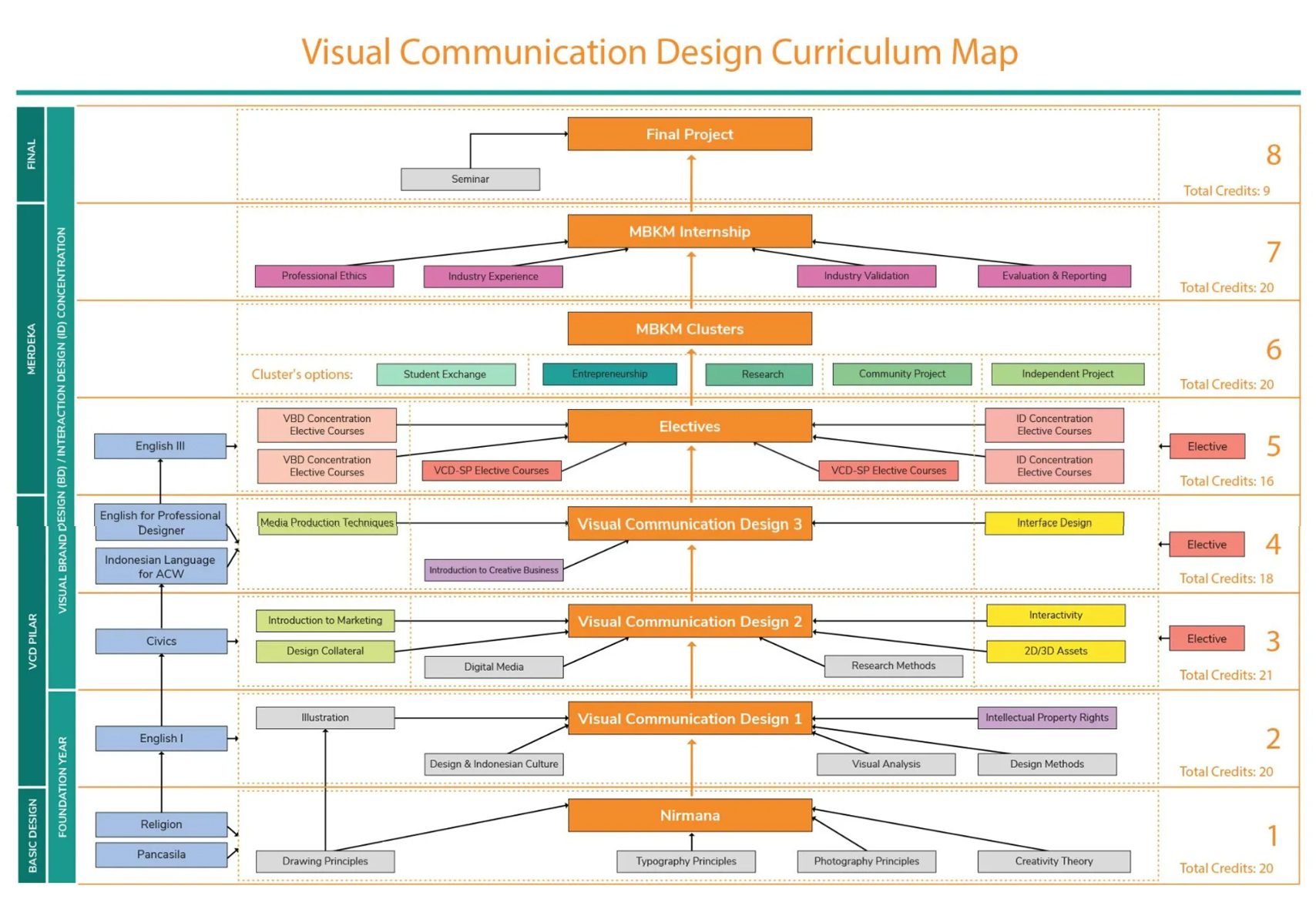
DKV UMN applies an M-shaped approach, in which students first build broad competencies as generalists during the first two years. After establishing a sufficient foundation, students can begin deepening their expertise as specialists through their choice of major and minor expertise in the third year.
This approach provides a balance between the ability to understand various areas of design and the opportunity to develop more specific expertise. In this way, students can build their professional identity while developing a competitive advantage aligned with their career interests.
Six major options relevant to the creative industry
Starting in the third year, students can deepen the areas they want to develop through various major options.
Illustration & Publishing focuses on visual storytelling, character development, visual styles, and media such as visual novels, comics, interactive web storytelling, and illustration books.
Photography & Moving Image combines photography, videography, and motion design, including commercial photography production and exploration of moving visuals through both analog and digital media.
For those interested in the world of brands, Brand Experience covers brand communication strategy, creative direction, copywriting, content development, and transmedia-based brand activation through real-client projects.
Meanwhile, Digital Experience focuses on UX, UI, interaction design, and service design to develop digital products and services.
For students interested in the game industry, Game Design covers gameplay, game mechanics, game art, characters, environments, interfaces, as well as the development process of board games and digital games.
There is also Immersive Design, which explores AR, VR, projection mapping, interactive installations, and immersive media with the support of visual programming logic.
Continuing to develop human skills and technology
Interestingly, technology in the DKV UMN curriculum is not positioned as a replacement for human creativity. Instead, students are equipped with human skills such as empathy, integrity, creative thinking, and critical thinking.
At the same time, students are developed to have technology adaptability, including the ability to utilize Artificial Intelligence (AI) adaptively while continuing to follow academic and professional ethical standards.
Conclusion
Why choose DKV UMN? Because students are not only prepared to become visual designers, but also experience designers who are able to understand people, develop cross-disciplinary expertise, and adapt to technology.
Through the M-shaped approach, students build a broad foundation before choosing a specialization through six major options: Illustration & Publishing, Photography & Moving Image, Brand Experience, Digital Experience, Game Design, and Immersive Design. If you want to explore the works of DKV UMN students further, click here [DKV UMN Student Portfolio]
With the “Evolving Experience” curriculum, DKV UMN prepares students to face the ever-changing creative industry while building a professional identity that aligns with their individual interests and career directions.
If you would like to learn more about the major options, curriculum, facilities, or admission process at DKV UMN, UMN Education Consultants (EC) are ready to provide information and consultation based on your interests and career plans. [Contact Us Now]
How Does the UMN DKV Admission Process Work? Here Are the Admission Paths and Requirements
For prospective students interested in the world of design, one of the important questions to consider before choosing a university is “How does the UMN DKV admission process work?” In addition to understanding tuition fees and admission schedules, prospective students also need to understand the admission paths, selection process, and specific requirements that need to be prepared.
The Visual Communication Design (DKV) Study Program at Universitas Multimedia Nusantara (UMN) provides several admission paths for prospective students. The process can be completed through UMN’s new student admission system, with admission options tailored to the prospective student’s circumstances and achievements.
What are the admission paths for UMN DKV?
In general, prospective UMN DKV students can choose the Academic Admission Path, Regular Test Admission Path, Scholarship Test Admission Path, or scholarship paths based on specific achievements.
For the Academic Admission Path, the selection considers academic grades from school. Meanwhile, the Regular Test Admission Path uses tests covering English, Mathematics, Psychological Testing, and a Drawing Test.
For prospective students who wish to receive a scholarship, the Scholarship Test Admission Path is available. In addition, UMN also provides scholarship paths based on achievements, such as the Academic Achievement Scholarship, Sports and Arts Achievement Scholarship, Science Olympiad Scholarship, as well as scholarships for children of teachers, principals, employees, or school staff.
With these various options, prospective students can choose the admission path that best suits their profile and achievements.
Do I have to take a drawing test to enter UMN DKV?
For admission paths that require a test, there is a Drawing Test. This is one of the aspects that prospective students who wish to enter UMN DKV need to pay attention to.
However, prospective students also need to prepare a drawing for administrative purposes. According to UMN DKV admission information, the required work is an A4-sized drawing that can be created manually or using a computer.
The work must be the student’s own creation and accompanied by a statement of originality. The drawing must also not contain elements of SARA (ethnicity, religion, race, and intergroup relations) or pornography.
Therefore, preparing for admission to UMN DKV is not only about academic grades, but also about demonstrating visual skills through creative work.
How do I start the registration process?
The first step is to register through the UMN New Student Admission (PMB) system. In the registration form, prospective students need to fill in their personal information and school information, select an admission path, and choose their intended study program. The UMN PMB system also provides sections for uploading report cards and relevant certificates or proof of achievements.
After selecting an admission path and completing the requirements, prospective students will proceed with the selection process according to the chosen path. The selection results will then serve as the basis for the new student admission process.
What about scholarships for UMN DKV?
Scholarship opportunities are also available during the new student admission process. Prospective students can take the scholarship test or apply through scholarship paths based on their achievements.
For DKV, official UMN information lists several options, including the Academic Achievement Scholarship, Sports and Arts Scholarship, Science Olympiad Scholarship, as well as scholarship paths for children of teachers, principals, employees, and school staff.
Since the requirements for each admission path may differ, prospective students are advised to check the latest requirements before choosing an admission path.
What should I prepare before registering?
Before registering, prospective DKV students should prepare their report cards, identification documents, supporting documents for achievements if applicable, as well as a drawing for their portfolio. For the artwork, make sure the drawing is entirely your own work and complies with the requirements set by UMN DKV.
In addition, it is important to understand the selected admission path so that you can prepare for the required tests or complete the necessary documents.
Conclusion
The UMN DKV admission process can be completed through the UMN PMB system with several admission options, ranging from the Academic Admission Path, Regular Test, Scholarship Test, to scholarship paths based on achievements. For the DKV test admission path, prospective students need to prepare for English, Mathematics, Psychological Testing, and the Drawing Test.
In addition, prospective students need to prepare an A4-sized drawing that is their own work and complies with UMN DKV requirements. By understanding the admission paths and preparing the required documents and artwork in advance, the registration process can be completed in a more structured manner.
If you are still unsure which admission path is most suitable or would like to learn about the latest requirements, UMN Education Consultants (EC) can provide information about the admission process, selection schedules, and DKV scholarship options. Contact EC Now!
What Is the Difference Between DKV UMN’s Regular Program and International Program?
When choosing a Visual Communication Design (DKV) Study Program, prospective students may come across the Regular Program and International Program at Universitas Multimedia Nusantara (UMN). So, what exactly is the difference between the two? Do they have different curricula, or do students in the International Program study different areas of design?
In general, the differences lie in the admission pathway and learning experience, while the field of Visual Communication Design remains within the DKV UMN learning ecosystem.
What Do Students Learn in DKV UMN?
DKV UMN currently develops its curriculum through the “Evolving Experience” approach, which expands the role of designers from simply creating visuals to designing experiences. Students not only learn to produce visual works, but also understand how design can create relevant experiences for people.
The curriculum uses an M-shaped approach. During the first two years, students build broad competencies as generalists. After establishing this foundation, students can deepen their expertise as specialists through their choice of major and minor expertise.
The available majors include Illustration & Publishing, Photography & Moving Image, Brand Experience, Digital Experience, Game Design, and Immersive Design. Through these options, students can direct their learning according to their interests and career plans, ranging from illustration, photography, branding, and UX/UI to games and immersive technologies such as AR and VR.
In addition to design skills, students are also equipped with critical thinking, creativity, empathy, and the ability to adapt to technology, including the use of Artificial Intelligence (AI) while continuing to uphold academic and professional ethics.
So, What Is the Difference Between the Regular Program and International Program?
The Regular Program and International Program both offer the field of Visual Communication Design. Therefore, prospective students do not need to consider the International Program as a different DKV major.
The difference is more related to the admission pathway and the learning environment and experience offered.
The Regular Program is intended for prospective students who follow UMN’s general new student admission pathway. Meanwhile, the International Program provides an option for students who wish to pursue their DKV education through an international pathway and gain a learning experience in a more global environment.
With students from diverse backgrounds, an international learning environment can provide opportunities to interact with a wider range of perspectives and cultures. This experience can be an added value for DKV students who aspire to work in an increasingly globally connected creative industry.
Does the Learning Quality Differ?
The difference between the programs does not mean that one offers a higher quality of education than the other.
Both remain within the DKV UMN ecosystem, which develops competencies in design, creativity, technology, and understanding human needs. Students also have opportunities to develop their specializations according to their interests through the available major options.
Therefore, prospective students should not choose solely based on the assumption that the International Program is “better” than the Regular Program. More important considerations include the admission pathway, preferred learning environment, and educational and career goals.
Which Program Is Suitable for Prospective Students?
If you want to follow UMN’s new student admission pathway and study in a university environment generally attended by Indonesian students, the Regular Program can be an option.
Meanwhile, if you are looking for a learning experience with international perspectives and a more multicultural environment, the International Program can be considered.
Most importantly, both programs provide opportunities to develop skills in DKV through a learning approach that follows the development of the creative industry.
If you want to explore the works and creative explorations of DKV UMN students further, you can see them here. [View the Works Here]
Conclusion
The main differences between DKV UMN’s Regular Program and International Program lie in the admission pathway and learning experience, rather than the field of DKV that is studied.
Through the “Evolving Experience” approach and the M-shaped curriculum, DKV UMN students build a broad foundation in design before deepening their interests through six major options: Illustration & Publishing, Photography & Moving Image, Brand Experience, Digital Experience, Game Design, and Immersive Design.
Therefore, the choice between the Regular Program and International Program should be tailored to each student’s profile, needs, and desired learning experience throughout their education in DKV UMN.
If you are still unsure about which option to choose, UMN Education Consultants (EC) are ready to provide information about program options, the admission process, and the learning experiences available in DKV UMN. [Contact EC Now!]
What Do Students Learn in DKV UMN?
Choosing a Visual Communication Design (DKV) Study Program is often associated with questions about drawing, graphic design, or creating visual works. However, developments in the creative industry have made the field of DKV increasingly broad. Designers can now be involved in branding, digital products, games, photography, and the development of immersive experiences.
So, what do students actually learn in DKV UMN?
The Visual Communication Design (DKV) Study Program at Universitas Multimedia Nusantara (UMN) develops its curriculum through the “Evolving Experience” approach. Through this approach, students are not only directed to produce visual works, but also to understand how design can create relevant experiences for people.
Building a foundation in design skills first
During the first two years, DKV UMN students build broad competencies as generalists. This stage provides opportunities to explore various areas of design before determining the focus they want to develop further.
This approach uses the M-shaped concept, in which students gain a broad understanding of various fields while also being able to develop more specific expertise. After establishing a sufficient foundation, students can deepen their competencies through their choice of major and minor expertise.
With this approach, students do not have to determine their specialization from the beginning of their studies. They first gain experience in various areas of design to help them discover the field that best matches their interests and career goals.
Six major options are available
After building their foundation, students can choose one of the six majors available at DKV UMN.
Illustration & Publishing focuses on illustration and visual storytelling. Students can explore character development, visual styles, comics, visual novels, interactive web storytelling, and illustration books.
For those interested in photography and moving visual works, Photography & Moving Image is available. This field combines photography, videography, and motion design, including commercial photography production and exploration of analog and digital media.
Brand Experience is intended for students interested in branding and communication. Its learning covers brand communication strategy, creative direction, copywriting, content development, and transmedia-based brand activation through real-client projects.
Meanwhile, Digital Experience focuses on UX, UI, interaction design, and service design. Students learn to design digital products and services while considering user needs and experiences.
Students interested in the game industry can choose Game Design. This area covers gameplay, game mechanics, game art, character, environment, and interface, both for board game and digital game development.
Another option is Immersive Design, which explores AR, VR, projection mapping, interactive installations, and various immersive media. Students are also introduced to visual programming logic to support the design process.
More than just technical skills
DKV UMN’s learning also places human skills as an important part of students’ competencies. Creativity, critical thinking, empathy, and integrity are developed alongside design skills.
On the technology side, students are also equipped with technology adaptability so they can keep up with continuously evolving technologies, including the use of Artificial Intelligence (AI).
However, the use of AI in the learning process continues to follow the academic and professional ethics established by the faculty. Thus, technology is used as part of the creative process without eliminating the role of humans in thinking, creating, and making design decisions.
From learning design to building expertise
The DKV UMN curriculum provides students with opportunities to develop from a broad understanding toward more specific expertise. This process allows students to explore various areas of design before determining the focus they want to develop.
This approach also ensures that DKV learning does not stop at the ability to create visuals. Students are encouraged to understand people, technology, and context, as well as how a design can create meaningful experiences.
If you want to explore the works and creative explorations of DKV UMN students further, you can see them here. [View the Works Here]
Conclusion
What do students learn in DKV UMN? Students study various areas of design, ranging from illustration, photography, and branding to digital experience, games, and immersive design. Learning begins by building broad competencies as generalists, followed by deeper specialization through the choice of major and minor expertise.
Through the “Evolving Experience” approach and M-shaped curriculum, DKV UMN prepares students not only to become visual creators, but also designers who can understand human needs, adapt to technology, and develop expertise according to their career direction.
If you would like to learn more about the curriculum, major options, facilities, or admission process at DKV UMN, UMN Education Consultants (EC) are ready to provide information and consultation before you choose a study program. [Contact EC Now]
What Are the Career Prospects for DKV UMN Graduates?
Choosing a Visual Communication Design (DKV) Study Program is not only about learning how to create appealing works. For prospective students, another equally important question is, “What are the career prospects for DKV UMN graduates?”
The answer is quite broad. Developments in the creative industry and technology have created opportunities for DKV graduates to work in various fields, ranging from design, branding, and advertising to digital products, the game industry, and interactive media.
What Careers Can DKV UMN Graduates Pursue?
Career options for DKV UMN graduates are not limited to becoming Graphic Designers. The official DKV UMN website lists various career opportunities that can develop according to students’ areas of expertise.
In the fields of visual design and branding, graduates can pursue careers as Graphic Designers, Art Directors, Creative Directors, Illustrators, Photographers, Publishing Designers, and Web Designers. Meanwhile, students who specialize in interaction and technology have opportunities to work as UI Designers, UX Designers, UX Researchers, UX Writers, Game Designers, Game Artists, Character Designers, Environment Artists, Immersive Media Artists, and Game Producers.
This means that the career prospects of DKV graduates can develop according to the expertise they build during their studies.
A Curriculum That Follows Creative Industry Developments
One factor that influences career readiness is how well university learning follows industry needs.
DKV UMN develops learning that combines design skills, technology, creativity, analysis, and problem-solving. Graduates are also prepared to use design-related tools and technologies, think critically, work in teams, and develop entrepreneurial skills in the field of design.
This approach is relevant to the development of the creative industry, which increasingly requires designers with cross-disciplinary abilities rather than solely visual skills.
Internship Experience Before Graduation
DKV UMN students also have the opportunity to gain work experience through the Career Acceleration Program. This program provides students with real-world experience through internships at partner companies.
The process includes submitting applications, screening and interview stages, and preparation before students begin their internships. Throughout the program, students also receive guidance from supervisors and advisors.
This experience can serve as valuable preparation, as students gain an understanding of the professional work environment before completing their education.
Student Works Can Become a Bridge to the Industry
In the creative field, a portfolio is an important part of demonstrating skills. Therefore, DKV UMN also has IMAGO, a series of activities that connects students’ final projects with industry professionals.
IMAGO is designed as a platform that brings academia and industry together while opening opportunities for collaboration. Since it was first held in 2015, dozens of student final projects have been published and reached the public through relevant industries, while hundreds of students have benefited from the connections built through the program.
Therefore, the works produced during university do not simply remain academic assignments, but can become part of a professional portfolio.
If you want to explore the works and creative explorations of DKV UMN students further, you can see them here. [View the Works Here]
Examples of Alumni Building Careers in the Creative Industry
The career prospects of DKV UMN graduates can also be seen through the career journeys of its alumni.
One example is Ovita Pattari, a DKV UMN alumna who has built a career in the creative industry and gained experience at several companies, including Hakuhodo, Leo Burnett, Goodstuph, and Grow in Asia. She has also been involved in various projects, including One Piece and Extraction 2.
Another example is Theodore Stephen, a DKV UMN alumnus who is currently pursuing a career as a Senior Product Designer at Gojek Indonesia. His experience demonstrates that DKV competencies can also be directed toward digital product and user experience fields.
Career Paths Do Not Have to Stop at Employment
In addition to working for companies, DKV graduates also have opportunities to build businesses or work independently as creative professionals. Entrepreneurial skills are also among the competencies developed through DKV UMN’s learning.
Therefore, graduates can choose a path that suits their interests: working at a creative company, entering the technology industry, developing a career as an independent professional, or building their own business.
Conclusion
The career prospects for DKV UMN graduates are quite diverse, as the competencies they acquire can be applied across various sectors of the creative and technology industries. Graduates can pursue careers as Graphic Designers, Art Directors, Illustrators, UI/UX Designers, Game Designers, Creative Directors, Photographers, and Immersive Media Artists, depending on the areas they specialize in during their studies.
Supported by industry-relevant learning, internship experience through the Career Acceleration Program, portfolio development opportunities through IMAGO, and examples of alumni pursuing careers in various fields, DKV UMN provides an ecosystem that can help students prepare for their professional journey.
If you would like to learn more about the major options, internship experiences, facilities, student portfolios, and career prospects for each field of DKV UMN, UMN Education Consultants (EC) are ready to provide information and consultation according to your interests and career plans. [Contact EC Now!]
Accreditation Table
| National Accreditation |
International Accreditation |
 |
 |
General Information
| Credits | 241.92 (ECTS) / 144 (SKS) |
| Education Type | Bachelor Program |
| Duration | 4 years |
| Language | Indonesia & English |
| Bachelor's Degree | Bachelor of Design (B.Des) / (S.Ds.) |
| Type of Program | Full-time |
Vision
Become a leading Bachelor of Visual Communication Design program that creates the creative, innovative, competent, and international-oriented graduates with the focus of developing the new visual media, based on Information and Communication Technology (ICT), entrepreneurial spirit and virtuous character.
- Creative and Innovative: Becoming a superior Bachelor Degree Arts and Design Study Programme that contributes to newest design works. Innovation will be influenced by the creativity of the students, such as in creating concept, idea and design methods. Innovation and creativity in study methods will give a dynamic learning process that pushes society-needs based design works to be created.
- Competent: Visual Communication Design Study Programme is built by processing input from industry players and community needs. This is intended in order for students to have the competencies needed by graduate users and society.
- International Standard: One of the ways to reach the international standard is to use English literature from many countries and international journals of design in the learning process. We also submit our lecturers and students’ design graphic works to international festivals/exhibitions.
- Entrepreneur: To create graduates with entrepreneur spirit, the students is provided with curriculum that prepares and enable students in enterprising, fostering an entrepreneurial spirit, providing discourse on utilizing networks, seeking venture capital, and so on.
- Virtuous Character: To shape graduates with virtuous character, Visual Communication Design Study Program enact a curriculum that underlines virtuous characteristic in learning process routinely that links with soft skill.
- New Visual Media Development: As technology develops and new kinds of media appears, the new chance to develop works that are used with electronic devices is also given. Visually, this development is pushing the curriculum to answer technology development and society’s needs.
Mission
Organizing
A learning process that is supported by qualified teaching staff and an up-to-date curriculum that links and matches with the industrial world.
Performing
The research program that contribute to the development of new visual media to advance the science of ICT and ICT-based Visual Communication Design.
Utilizing
The science of Arts and Visual Communication Design in order to deliver the community service
Career Prospect
UMN graduates of this study program can work in the creative field, ranging from designers, writers to consultants. Some job profiles that can be taken as follows.
Visual Brand Design career prospects
Graphic Designer | Art Director |
Creative Director | Photographer |
Publishing Designer | Illustrator |
Videographer/Motion Graphic Designer | Environmental Graphic Designer |
Type Designer | Campaign Designer |
Creative Brand Specialist | Thumbnail Designer |
Social Content Designer | Instructional Designer |
Visual Merchandising Designer | Data Visualization Designer |
Creative Copywriter | Activation Designer |
Audio Reactive Designer | Service Designer |
Interaction Design career prospects
User Interface (UI) Designer | User Experience (UX) Designer |
UX Writer/Researcher | 2D/3D Artist |
Concept Artist | Storyboard Artist |
Character Designer | Texture Artist |
Environment Artist | Web/App Designer |
Immersive Media Artist | Gamification Designer |
Front End Designer | Lead Game Designer/Producer |
Game Writer/Analyst | Level Game Designer |
Further Study
Graduates of the UMN Visual Communication Design study program can take a Master’s Degree in art and design.
Partnership & Collaborations
Focus of Visual Communication Design
Visual Brand Design
The Visual Brand Design specialization equips graduates with the confidence to analyze and solve problems visually, innovatively, and competitively. They are trained to design and implement brand identity, communication, and campaigns with strong conceptual, creative, and strategic thinking—while considering social, cultural, economic, and technological aspects.
Interaction Design
Students are trained to be responsive to current societal issues and develop creative solutions through interactive media, both conventional and digital, in 2D and 3D formats. The Interaction Design specialization prepares graduates to analyze, design, and apply visuals and interactivity in design communication—such as websites, apps, games, stories, and toys—collaboratively, creatively, and innovatively, with consideration of social, cultural, economic, and technological contexts.
Student Scholarship
UMN scholarship program is offered to high school students in 12th grade who have academic, sports, and artistic achievements while in 11th grade. In addition, UMN also offers the program to high school/vocational school students who won medals in the National and International Science Olympics. As a form of appreciation for the dedication of teachers and employees/ staff in educating the nation's children, UMN provides scholarships in the form of a 50% reduction in fees for teachers/principals and a 30% reduction in fees for children of the employees/staff in high schools/vocational schools (both public and private) who want to continue their education at UMN.
Entry Requirement
- Graduated from Senior High Schools – Natural Science Program, Social Science Program, Language Program
- Graduated from Senior Vocational Schools with competencies in drawing technique, Multimedia, Visual Communication Design, Graphic and Animation
Students are required to attend academic guidance meetings at least 3 times per semester. The schedule of the meetings will be provided by the respective academic supervisors. Students have to bring the academic guidance book for the meeting and they need to make sure that the academic supervisor signs it.
Continuing Education Department (CED) is an educational development program at Universitas Multimedia Nusantara (UMN) which is part of the Kompas Gramedia Group. We have various programs in language courses, human development, Testing Centers for national and international certifications, and training programs. UMN’s CED is designed to meet the needs of high school and college students, as well as the public and professionals.
Students are encouraged to find their own companies / agencies for their internships that align with the focus of the Strategic Communication Study Program. Information about available internships can be obtained from other students, social media, job fairs, advertisements in print or electronic media or even through the UMN Career Development Center (CDC).
To complete the Undergraduate Program (S-1) at Multimedia Nusantara University, students must prepare, present, and defend the thesis in front of the thesis examination board, in accordance with the provisions of the study program. The preparation of the thesis is done individually and the students can choose the supervisor directly provided that the selected supervisor agrees.
To complete the Undergraduate Program (S-1) at Multimedia Nusantara University, students must prepare, present, and defend the thesis in front of the thesis examination board, in accordance with the provisions of the study program. The preparation of the thesis is done individually and the students can choose the supervisor directly provided that the selected supervisor agrees.
| Code | Expected Learning Outcome (ELO) | Aspect |
| A | Able to adapt and implement ethics and continuous improvement in design process. | Ethics Value |
| B | Able to apply principle knowledge of visual communication design in design process. | Fundamental in Design |
| C | Able to generate ideas individually and/ or in group works. | Working Environment |
| D | Able to explore concepts in designing with the utilization of ICT. | Design Concept |
| E | Able to determine solution of visual communication problem through design research. | Design Process |
| F | Able to implement design methods and academic writing. | Design Methodology |
| G | Able to manage visual communication design projects as a professional and entrepreneur. | Project Management |
| H | Able to produce and present visual communication design works. | Design Implementation |
Become a graduate in Visual Communication Design who is able to create design works based on knowledge of methodical design processes to solve visual communication problems in society as professionals or entrepreneurs who have adaptability, collaborative spirit, sustainable self-development, ethics, international orientation, and ICT literacy.
Visual Communication Design Universitas Multimedia Nusantara expects qualified graduates with the following identities:
- Graduates are expected to become design graduates who have the ability to create works both traditionally and digitally based on an in-depth understanding of design in the form of visual communication that is entrepreneurial, has international insight, and can contribute to solving visual communication problems that exist in society.
- Becoming an individual who can develop himself and has the desire to continue to progress to a higher level of work and professionalism by continuing to learn (both formal and independent).
- Become a person who is needed in the industrial world and society as a team and individually by carrying the good name of the alma mater (professional ethics) and being a good example for VCD UMN students and study programs.
- Become a professional who has good skills in industry and entrepreneurship both nationally and internationally.
–
Faculty: Art & Design
Study Program: Visual Communication Design (DKV)
Faculty : Art & Design
Study Program : Master of Design

Faculty: Art & Design
Study Program: Visual Communication Design
Faculty: Art & Design
Study Program: Visual Communication Design (DKV)

Faculty: Art & Design
Study Program: Visual Communication Design (DKV)

Faculty: Art & Design
Study Program: Visual Communication Design (DKV)
Faculty: Art & Design
Study Program: Visual Communication Design (DKV)

Faculty: Art & Design
Study Program: Visual Communication Design (DKV)
Faculty: Art & Design
Study Program: Visual Communication Design (DKV)

Faculty: Art & Design
Study Program: Visual Communication Design (DKV)

Faculty: Art & Design
Study Program: Visual Communication Design (DKV)
Faculty: Art & Design
Study Program: Visual Communication Design
To support the learning process, umn provided a complete and sophisticated college facility, according to industrial standards. Through the existence of the facility, students have been invited to be close to the industrial world since sitting in college and to have competence that matches the needs of the industry. That way, it will make it easier for umn students to find jobs, even before graduation.
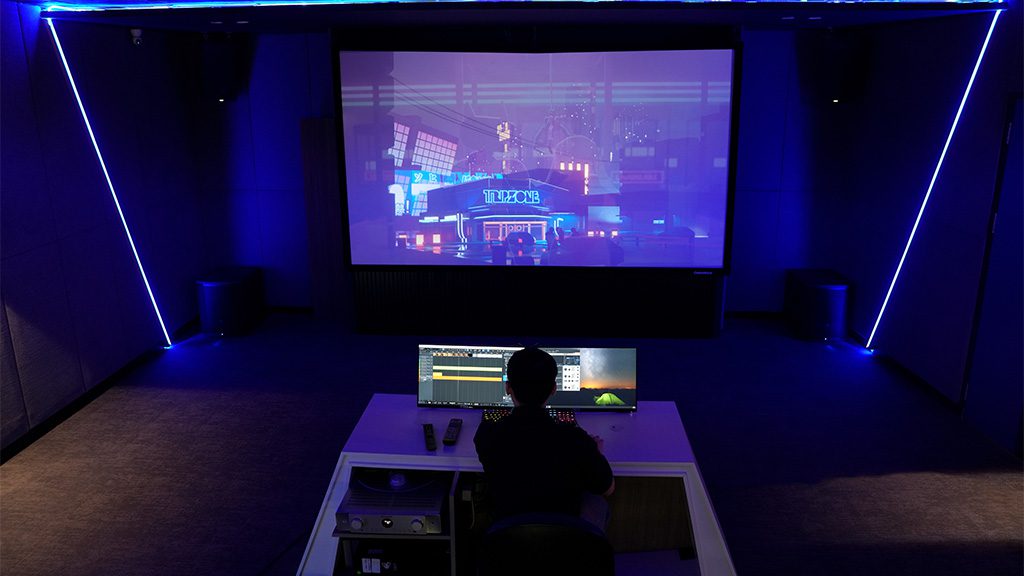
Cinema room is a facility provided for film students to showcase their works in the […]
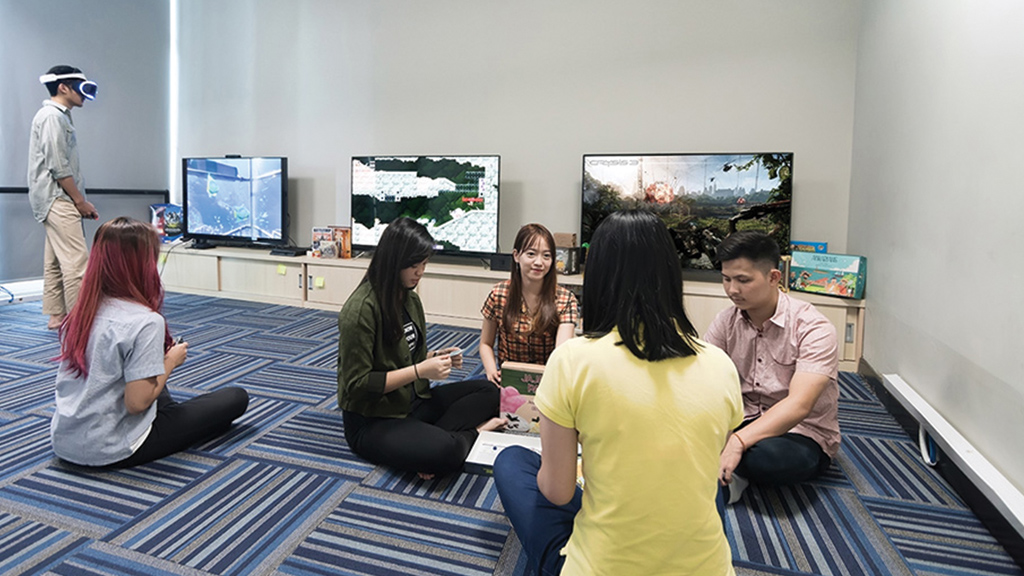
This laboratory is divided into two rooms: the workstation and playing room. The workstation is […]
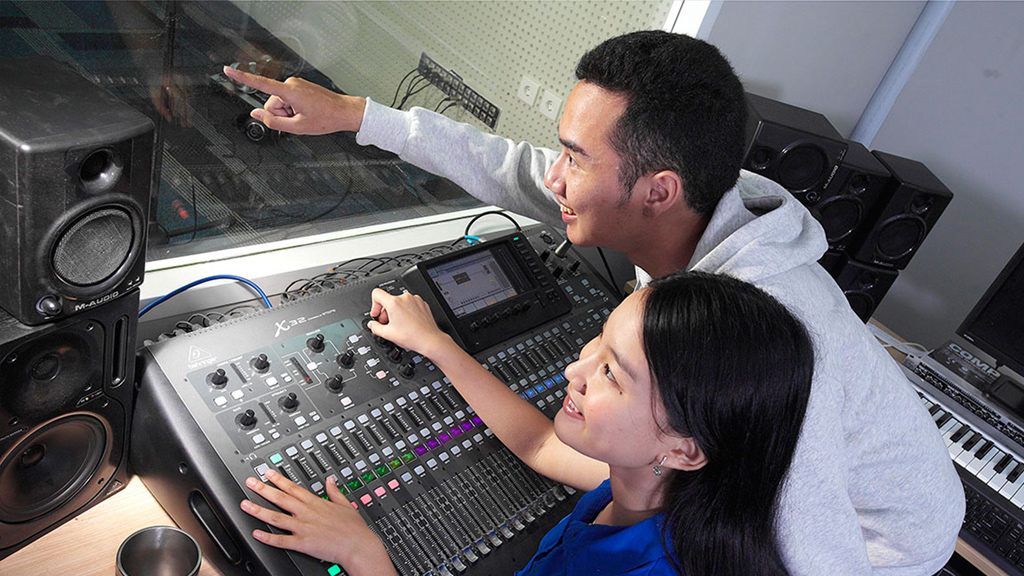
To produce high quality audio in accordance with industry standards, UMN facilitates students with the […]
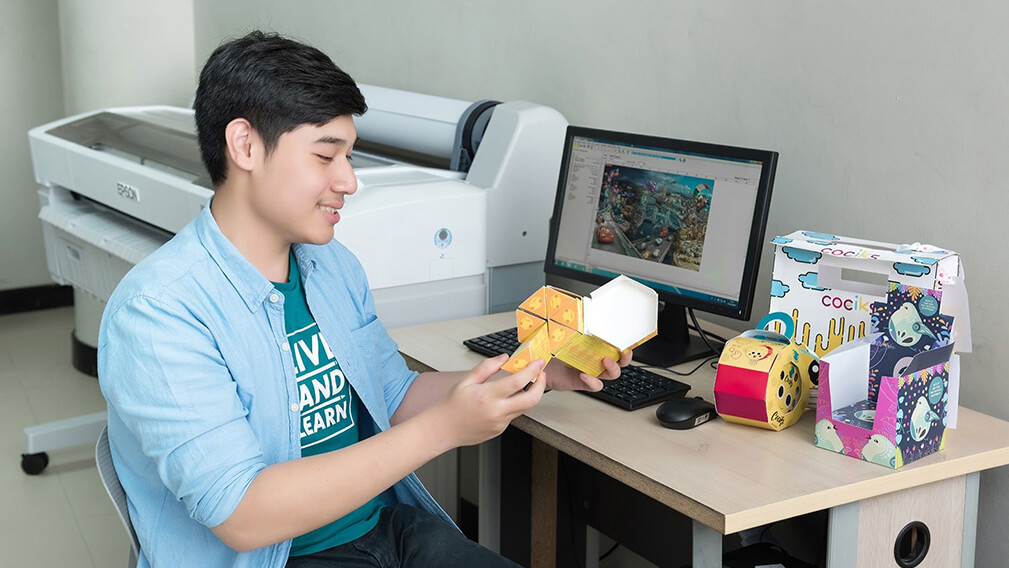
This laboratory facilitates UMN students to print their work using 3 mechanical engine units that […]
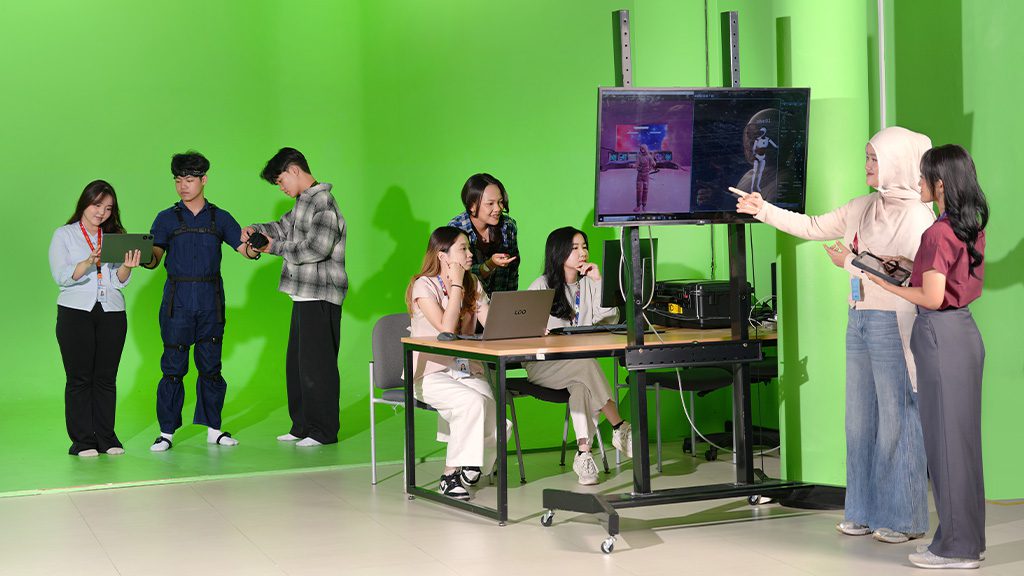
This studio is specifically designed to make films and animations. Recording a scene can be […]
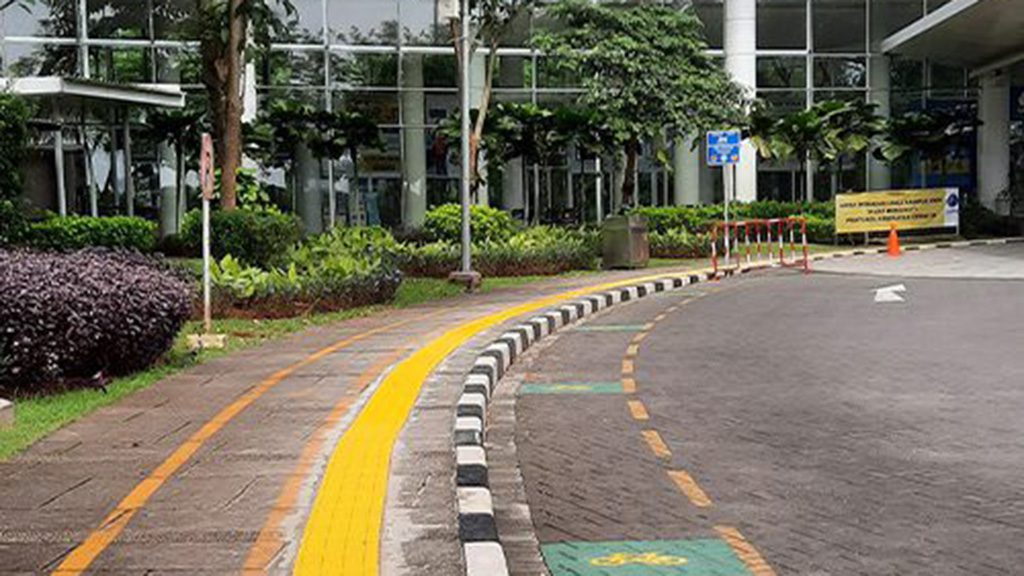
UMN is committed to creating an inclusive and supportive learning environment for all students. The […]
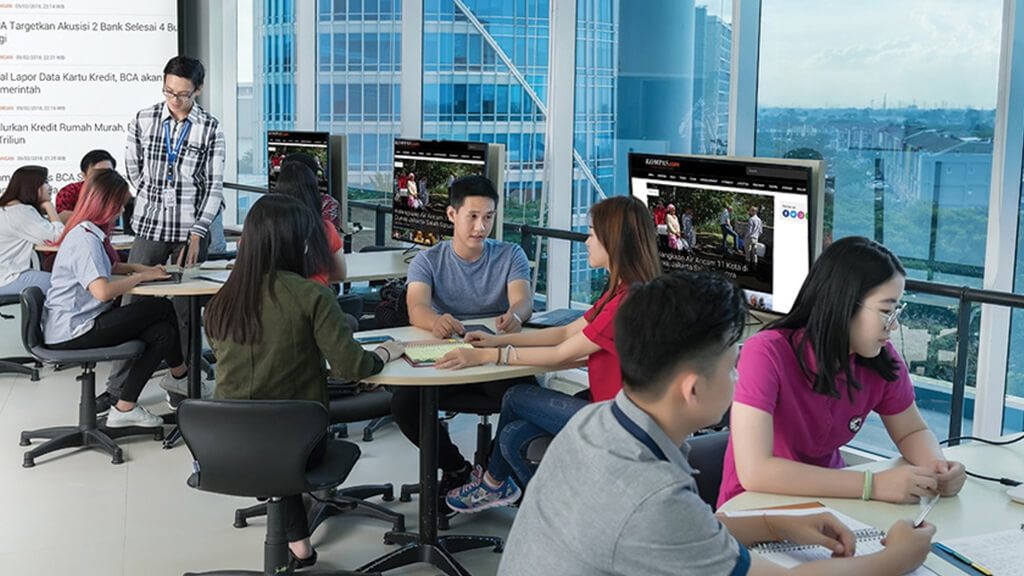
A laboratory equipped with technological tools that can help students hold discussions and design concepts. […]
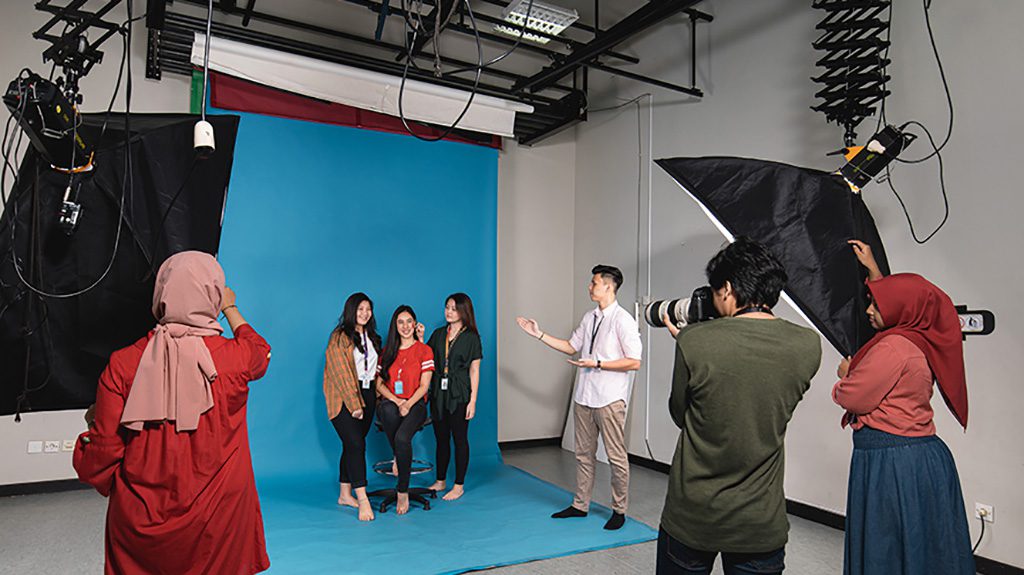
This photography studio is used for lectures, academic assignments, research, and final project. With a […]
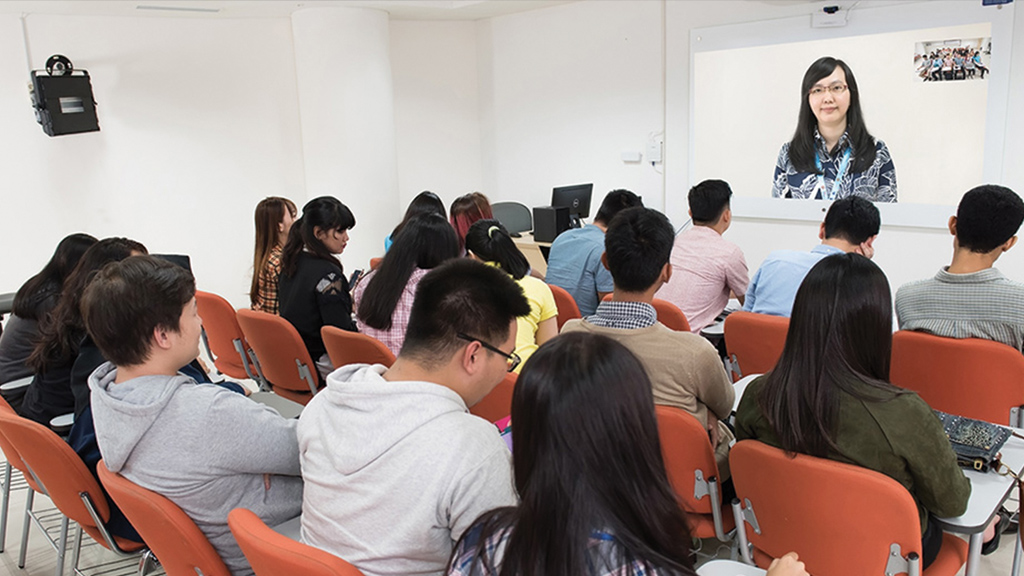
UMN is committed to advancing digital and online learning as an integral part of its […]
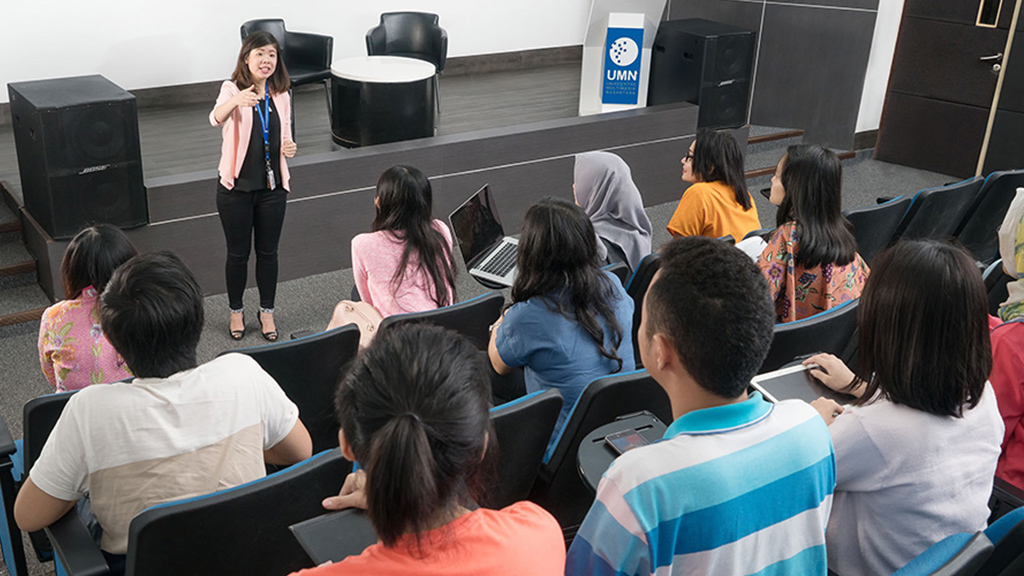
This modern theater hall has a capacity of up to 200 people. This room is […]
Extracurricular Student Activities
In order to help students explore and develop their non-academic potentials, UMN also provides a variety of extra-curricular activities for students which is locally called UKM, Student Activity Unit.
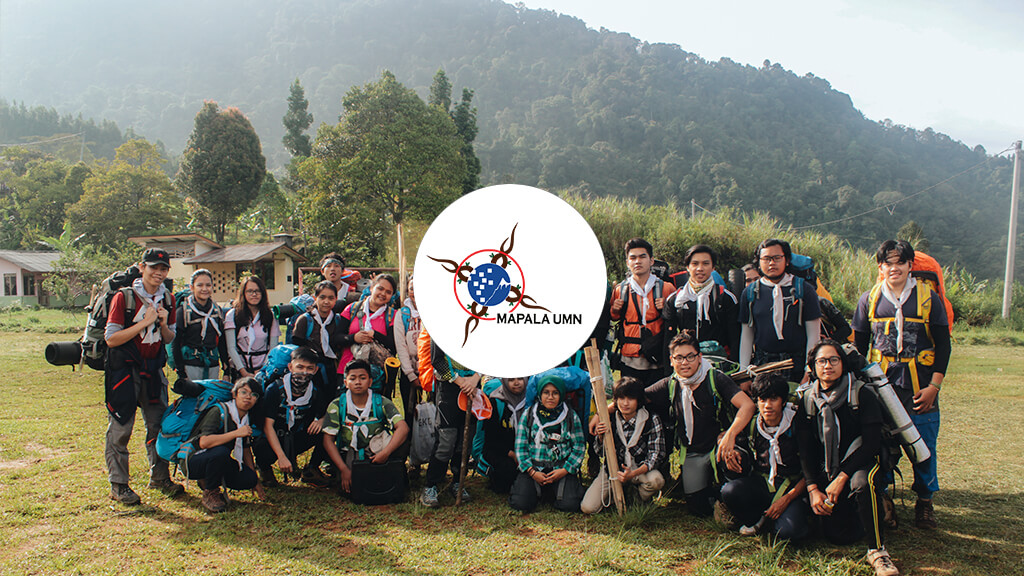
Student who are Nature Lovers in University Multimedia Nusantara can join and participate in UMN’s […]
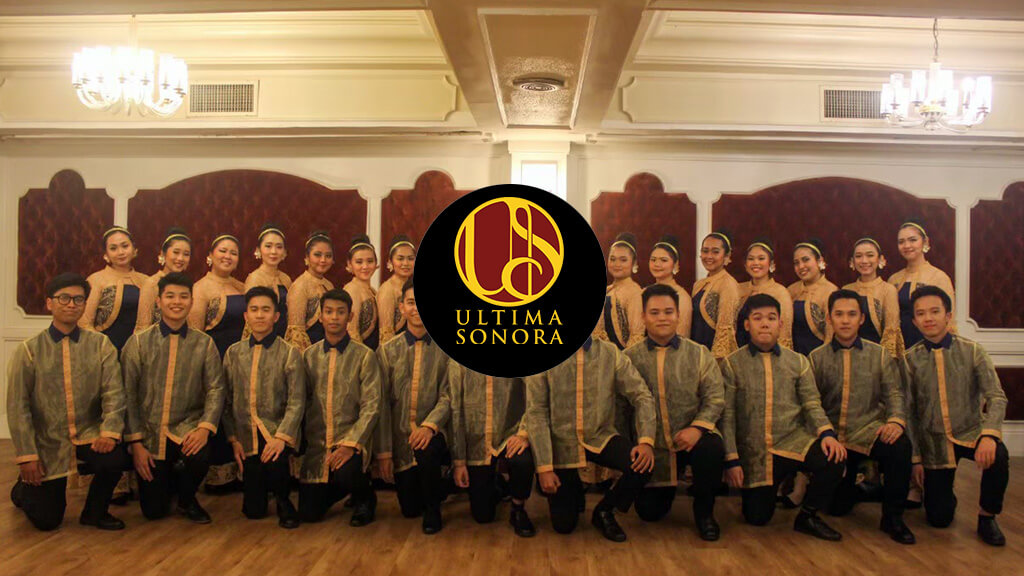
Ultima Sonora is the Universitas Multimedia Nusantara Choir ensemble which has been established since 2007. […]
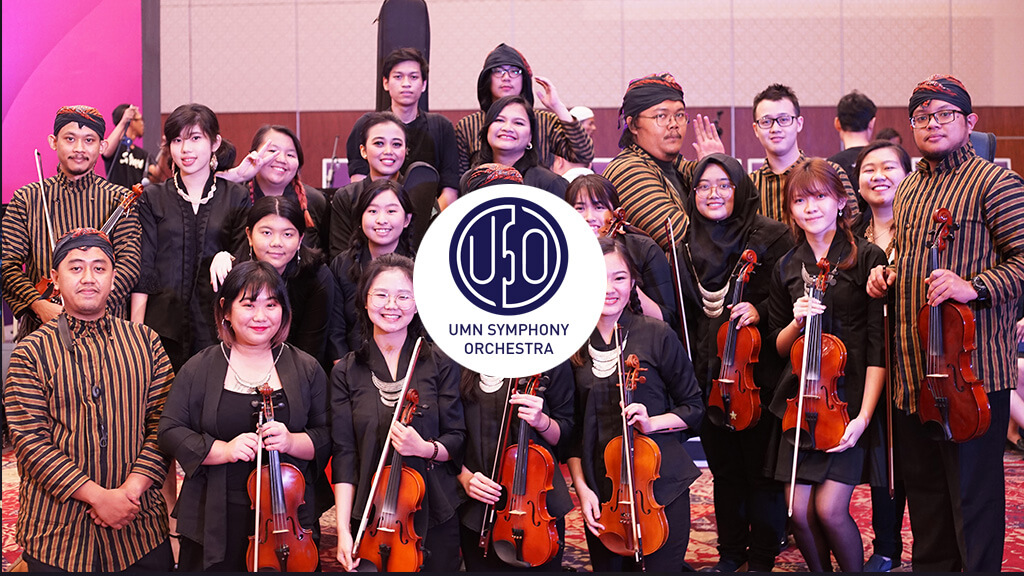
UMN Symphony Orchestra (USO), is one of the arts and culture UKM at UMN. As […]
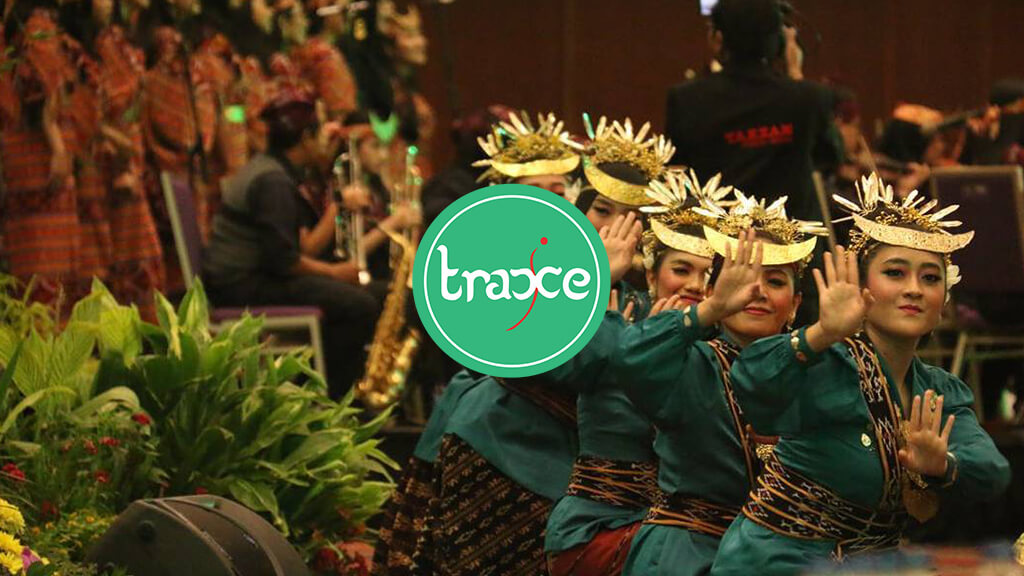
Traditional Music and Dance or familiarly known as TRACCE is one of the Student Activity […]

Qorie is one of the many Student Activity Units at Universitas Multimedia Nusantara that has […]
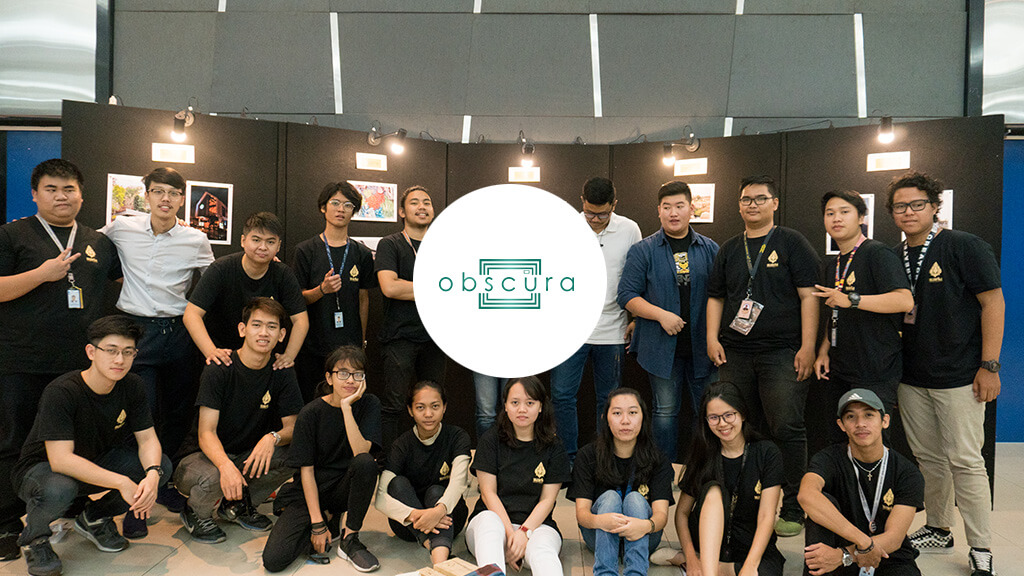
Obscura is a Student Activity Unit (UKM) engaged in photography under the auspices of Universitas […]

SEE OTHER
UMN’S STUDENT ACTIVITIES
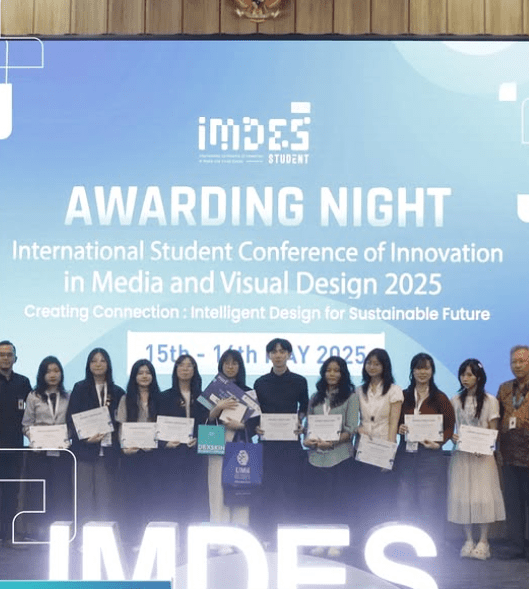
International Conference and Exhibition of Innovation in Media and Visual Design (IMDES)
The Innovation in Media and Visual Design (IMDES) conference and exhibition discuss the relationship between media, people, design, and technology as well as innovation, creation, and sustainability concepts resulting from those interactions. The event’s interdisciplinary approach draws on design, information, social science, and the humanities, offering/allowing not only to think/design what today’s design makes possible but also to invent new things on media and society can do using emergent technology. This conference is a sphere for those intellectuals who examine the conceptual design, praxis, and research discourse on the exploration of academic merits for the design field and others. The conference and exhibition will welcome theories, methods, and implementations of innovation in media and visual design. Topics include, but are not limited to:

BoV Research 2022 - 2025 | International Proceeding
| YEAR | AUTHOR - I | AUTHOR - II | AUTHOR - III | AUTHOR - IV | AUTHOR - V | TITLE | CONFERENCE | ORGANIZER | URL |
|---|---|---|---|---|---|---|---|---|---|
| 2.022 | Florentina Kurniasari | Prio Utomo | - | - | - | The Effect of Propensity for Regret, Propensity for Overconfidence and Income Level into Financial Risk Tolerance Among of Gen Z Investors | 38th EBES Conference - Warsaw | EBES (Eurasia Business and Economics Society) | https://ebesweb.org/38th-ebes-conference-warsaw/38th-ebes-conference-warsaw/ |
| 2.022 | Prio Utomo | Florentina Kurniasari | - | - | - | The Dynamic Capability and Ambidexterity in early-stage start up : a quantitative insight | 38th EBES Conference - Warsaw | EBES (Eurasia Business and Economics Society) | https://ebesweb.org/38th-ebes-conference-warsaw/38th-ebes-conference-warsaw/ |
| 2.022 | Rismi Juliadi | Chininta Rizka Angelia | Azelia Faramita | - | - | The Impact of Social Media Usage Toward the Behavior of Refusing the Covid-19 Vaccination in Tangerang Raya | The 2nd International Conference on Communication Science 2022 (ICCS 2022) | Universitas Mataram, ASPIKOM | https://iccs.unram.ac.id/ |
| 2.022 | - | Endah Murwani | Agustinus Berto Rusdianto | - | - | Storytelling Content Network in Tourism Promotional Video ‘Jiwa Jagad Jawi’ | The 2nd International Conference on Communication Science 2022 (ICCS 2022) | Universitas Mataram, ASPIKOM | https://iccs.unram.ac.id/ |
| 2.022 | Endah Murwani | - | - | - | - | Participatory Culture Fans Of Boyband Exo On Social Media Instagram | The 2nd International Conference on Communication Science 2022 (ICCS 2022) | Universitas Mataram, ASPIKOM | https://iccs.unram.ac.id/ |
| 2.022 | - | Endah Murwani | - | - | - | Digital Movement on Hashtags #2024AniesPresiden, #GanjarPresiden, and #PrabowoPresiden: An Analysis of Social Networks | The 2nd International Conference on Communication Science 2022 (ICCS 2022) | Universitas Mataram, ASPIKOM | https://iccs.unram.ac.id/ |
| 2.022 | Indiwan Seto Wahjuwibowo | - | - | - | - | The Meaning Of Pseudo-Happiness In The BNI Advertisement Covid 19 Prevention Edition | The 2nd International Conference on Communication Science 2022 (ICCS 2022) | Universitas Mataram, ASPIKOM | https://iccs.unram.ac.id/ |
| 2.022 | AG Eka Wenats Wuryanta | - | - | - | - | Exceeding Freedom and the Threat of CyberDemocracy in Indonesia | The 2nd International Conference on Communication Science 2022 (ICCS 2022) | Universitas Mataram, ASPIKOM | https://iccs.unram.ac.id/ |
| 2.022 | Prio Utomo | Florentina Kurniasari | - | - | - | Digital Ecosystem Research Development: A decade Bbilimetric Analytisis and Research Agenda | 41th EBES Conference 2022 | Eurosia Business and Economic Society | https://ebesweb.org/41st-ebes-conference/41st-ebes-conference-berlin/ |
| 2.022 | - | Prio Utomo | - | - | - | The Mediating Role Of Entrepreneurial Self-Efficacy In Developing Student Entrepreneurial Intention: The Role Of Resources And Network | International Conference of Economics, Business, and Entrepreneur (ICEBE) 2022 | The Faculty of Economics and Business of Universitas Lampung | https://icebe.feb.unila.ac.id/ |
| 2.022 | - | Prio Utomo | - | - | - | The Effect Of Social Support And Entrepreneur Education On Entrepreneurial Intention Mediated By Learning Orientation On Students At South Tangerang University | International Conference of Economics, Business, and Entrepreneur (ICEBE) 2022 | The Faculty of Economics and Business of Universitas Lampung | https://icebe.feb.unila.ac.id/ |
| 2.022 | Annita | Yosef Budi Susanto | - | - | - | Factors Of Post-Digital Education Shaping Future Filmmakers: A Study Of Social-Technological Approach Of Film Learning Process | ICAPAS 2022 | ISI Yogyakarta | icapas.org |
| 2.022 | - | Friska Natalia | - | - | - | Automated Physical Distancing Monitoring using YOLOv3 | 16th International Conference on Innovative Computing, Information, and Control (ICICIC 2022) | ICIC International | http://www.icicconference.org/icicic2022/ |
| 2.022 | - | Suryasari | Haditya Setiawan | Aminuddin Rizal | - | Real Time Web-based Facemask Detection Implementation | ICIC - APTIKOM (2022 Seventh International Conference on Informatics and Computing) | Asosiasi Pendidikan Tinggi Informatika dan komputer | https://icic-aptikom.org/2022/ |
| 2.022 | Suryasari | - | - | - | - | Illuminance Color Independent in Remote Photoplethysmography for Pulse Rate Variability and Respiration Rate Measurement | The 4th International Conference on Innovation in Science and Technology 2022 | Politeknik Negeri Semarang, Indonesia | https://icist.asia/2022/ |
| 2.022 | - | Endah Murwani | - | - | - | Emotional Storytelling Dan Perbedaan Citra Destinasi Wisata Danau Toba Berdasarkan Generasi dan Jenis Kelamin | Communication International Conference of Indonesia Communication Scholars Association (CICICSA) 2022 | Ikatan Sarjana Komunikasi Indonesia (ISKI) | https://communicationconference.id/# |
| 2.022 | - | Indiwan Seto Wahjuwibowo | - | - | - | Strategi Content Marketing Di Era New Normal (Studi Kasus PT Fore Kopi Indonesia) | Communication International Conference of Indonesia Communication Scholars Association (CICICSA) 2022 | Ikatan Sarjana Komunikasi Indonesia (ISKI) | https://communicationconference.id/# |
| 2.022 | - | Elissa Dwi Lestari | Florentina Kurniasari | - | - | Making a Difference: The Relationship Between Prosocial Motivation and Social Entrepreneurial Intention, with Creativity in Social Work as a Mediating Variable | International Conference of Economics, Business, and Entrepreneur (ICEBE) 2022 | Universitas Lampung | https://icebe.feb.unila.ac.id/ |
| 2.022 | - | Purnamaningsih | Florentina Kurniasari | - | - | Multichannel Integration, Trust and Repurchase Intention: Antecedent and Its Implications. A Study in The BLP Beauty Product | International Conference of Economics, Business, and Entrepreneur (ICEBE) 2022 | Universitas Lampung | https://icebe.feb.unila.ac.id/ |
| 2.022 | - | Rismi Juliadi | Strategi Social Media Marketing Dalam Membangun Brand Awareness pada Brand Fashion Lokal Russ & Co. | Communication International Conference of Indonesia Communication Scholars Association (CICICSA) 2022 | Ikatan Sarjana Komunikasi Indonesia (ISKI) | https://communicationconference.id/# | |||
| 2.022 | Frindhinia Medyasepti | Darfi Rizkavirwan | - | - | - | 360-Degree Illustration Based On Virtual Reality Of The Cisadane Folktale | The 5th INTERNATIONAL CONFERENCE ON ARTS AND DESIGN EDUCATION (ICADE) | UPI (Universitas Pendidikan Indonesia), FPSD (Fakultas Pendidikan Senin dan Desain) | http://icade.event.upi.edu/ |
| 2.022 | Yoanita Alexandra | Ringkar Situmorang | Purnamaningsih | - | - | Entrepreneurship Education in Hospitality and Tourism: Insights from Graduated Hospitality Students as Entrepreneurs” | 6th International Hospitality and Tourism Conference (IHTC) 2022 | Universiti Teknologi Mara (UiTM) Malaysia | https://www.jthca.org/ihtc2022 |
| 2.022 | Y. Johny Natu Prihanto | Simon Petrus Wenehenubun | - | - | - | The Effect Of Business Model Drivers And Business Model Innovation Result On Business Performance Of Msmes In Indonesia | The 5th JBFEM Symposium: EKUITAS Award 2022 | Social Science & Business Research Network (SSBRN) | https://member.ssbrn.com/view/call-for-papers-events/the-5th-jbfem-symposium-ekuitas-award-2022_757 |
| 2.022 | Ringkar Situmorang | - | - | - | - | The employee well-being in the hotel industry during COVID-19: The case of Tangerang, Indonesia | The 4th International Conference on Global Innovation and Trends in Economy 2022 & 2nd HOSPITOUR 2022 | Universitas Multimedia Nusantara, Universitas Pelita Harapan, Swiss German University | https://incogite.org/ |
| 2.022 | Erwin Alfian | Mohammad Rizaldi | Winarno | - | - | Mindscaping Technique To Find Visual City Branding Ideas | Asia Digital Art & Design Association (ADADA) 2022 | The Asia Digital Art & Design Association (ADADA) & Tokyo Metropolitan University, Japan | http://adada.info/index.php/top/ |
| 2.022 | Florentina Kurniasari | Prio Utomo | So Yohanes Jimmy | - | - | The Effectiveness of Fintech Adoption in Organization using UTAUT Theory Approach | Asia Conference on Knowledge and Innovation Management (ACKIM) 2022 | ackim.org in collaboration with Wentworth Institute of Technology & National Sun-Yat Sen University | http://www.ackim.org/ |
| 2.022 | Lalitya Talitha Pinashtika | Aditya Satyagraha | - | - | - | Utilizing User Persona to Direct User Choice in Interactive Storytelling | Asia Digital Art & Design Association (ADADA) 2022 | The Asia Digital Art & Design Association (ADADA) & Tokyo Metropolitan University, Japan | http://adada.info/index.php/top/ |
| 2.022 | Prio Utomo | - | - | - | - | The Network Externalties Research in Business, Management and Accounting | 42nd EBES Conference Lisbon | ISCTE-IUL Instituto Universitário de Lisboa | https://ebesweb.org/42nd-ebes-lisbon/42nd-ebes-conference-lisbon/ |
| 2.022 | Yusup Sigit Martyastiadi | - | - | - | - | Dynamic Contemplation as an Aesthetic of Interaction Attribute | Asia Digital Art & Design Association (ADADA) 2022 | The Asia Digital Art & Design Association (ADADA) & Tokyo Metropolitan University, Japan | http://adada.info/index.php/top/ |
| 2.022 | Aditya Satyagraha | Gideon K.F.H. Hutapea | - | - | - | After Midjourney: A problems of Art Ethics, Ownership, and Legal. | Asia Digital Art & Design Association (ADADA) 2022 | The Asia Digital Art & Design Association (ADADA) & Tokyo Metropolitan University, Japan | http://adada.info/index.php/top/ |
| 2.022 | Freta Oktarina | - | - | - | - | Historical Perspective-Oriented Architecture: An Integrated Approach to Sustainability Practices in Architectural Design Towards a Deep-Rooted and Farsighted Architecture | International Conference: Sustainable University Development: Opportunity And Challenge (SUDOC) 2022 | University of Economics Ho Chi Minh City | http://sudoc.info/ |
| 2.022 | Yosephine Sitanggang | - | - | - | - | Application of Sustainable Concept in Final Project Design Case Study: Designing with Eco-Leisure Concept in Improving Image and Value of Pamulang Sub-district | International Conference: Sustainable University Development: Opportunity And Challenge (SUDOC) 2022 | University of Economics Ho Chi Minh City | http://sudoc.info/ |
| 2.023 | Agustinus Rusdianto Berto | Dosen Tetap | - | - | - | Soft Masculinity Korea Symbols in Local Skincare Indonesia Brand's Advertising | The Conference on Asian Linguistic Anthropology (CALA) 2023 | University of the Philippines Diliman | https://cala2021.upd.edu.ph/ |
| 2.023 | Jovanca | Suryasari | Haditya Setiawan | Wella | - | Syllabus Management System and Coordinator Recommendation System on Universitas Multimedia Nusantara | 2023 8th International Conference on Business and Industrial Research | Thai-Nichi Institute of Technology (TNI) , Technology Promotion Association (Thailand-Japan) (TPA) and Artificial Intelligence Association of Thailand (AIAT) | https://icbir.tni.ac.th/ |
| 2.023 | Gema Ilham | Ririn Ikana Desanti | Suryasari | - | - | The Implementation of Genetic Algorithm to Solve Final Project Defense Scheduling Problem | 2023 8th International Conference on Business and Industrial Research | Thai-Nichi Institute of Technology (TNI) , Technology Promotion Association (Thailand-Japan) (TPA) and Artificial Intelligence Association of Thailand (AIAT) | https://icbir.tni.ac.th/ |
| 2.023 | - | Friska Natalia | - | - | - | Data Augmentation for Occlusion-Robust Traffic Sign Recognition Using Deep Learning | 17th International Conference on Innovative Computing, Information and Control | ICIC International, Tokai University | http://www.icicconference.org/icicic2023/ |
| 2.023 | Adhreza Brahma | - | - | - | - | Analysis Of The Superhero'S Headline Typography In Comics And Film | International Conference of Innovation in Media and Visual Design (IMDES) 2023 | Universitas Multimedia Nusantara, Prodi Desain Komunikasi Visual Universitas Multimedia Nusantara | https://imdes.umn.ac.id/2023/callforpaper/ |
| 2.023 | Aditya Satyagraha | Gideon Hutapea | - | - | - | Transmedia Learning Map: Disaster Risk Reduction Education Content For Primary School Students In Indonesia | International Conference of Innovation in Media and Visual Design (IMDES) 2023 | Universitas Multimedia Nusantara, Prodi Desain Komunikasi Visual Universitas Multimedia Nusantara | https://imdes.umn.ac.id/2023/callforpaper/ |
| 2.023 | Anne Nurfarina | - | - | - | - | Visual Analysis Of Autism Works With Sympton Slow Processing Speed Disorder In The Improvement Of Communication Response Ability Based On Sensation Methods | International Conference of Innovation in Media and Visual Design (IMDES) 2023 | Universitas Multimedia Nusantara, Prodi Desain Komunikasi Visual Universitas Multimedia Nusantara | https://imdes.umn.ac.id/2023/callforpaper/ |
| 2.023 | Ardiles Akyuwen | Rezki Gautama Tanrere | - | - | - | “Puguh Kesed” Virtual Photography Exhibition: Photo Study Using The Third Meaning | International Conference of Innovation in Media and Visual Design (IMDES) 2023 | Universitas Multimedia Nusantara, Prodi Desain Komunikasi Visual Universitas Multimedia Nusantara | https://imdes.umn.ac.id/2023/callforpaper/ |
| 2.023 | Christina Flora | - | - | - | - | Cisadane Warrior’S Character Design: Re-Analyzing The Physical Cues Of The Crocodile Demon Queen As A Villain | International Conference of Innovation in Media and Visual Design (IMDES) 2023 | Universitas Multimedia Nusantara, Prodi Desain Komunikasi Visual Universitas Multimedia Nusantara | https://imdes.umn.ac.id/2023/callforpaper/ |
| 2.023 | Clemen Felix | - | - | - | - | Illustration Music As An Atmosphere And Concept Amplifier In Experimental Photography Exhibition “Puguh Kesed” | International Conference of Innovation in Media and Visual Design (IMDES) 2023 | Universitas Multimedia Nusantara, Prodi Desain Komunikasi Visual Universitas Multimedia Nusantara | https://imdes.umn.ac.id/2023/callforpaper/ |
| 2.023 | Darfi Rizkavirwan | - | - | - | - | Visual Message & Characteristic Of Family Car Advertisement In Indonesia | International Conference of Innovation in Media and Visual Design (IMDES) 2023 | Universitas Multimedia Nusantara, Prodi Desain Komunikasi Visual Universitas Multimedia Nusantara | https://imdes.umn.ac.id/2023/callforpaper/ |
| 2.023 | Edo Tirtadarma | - | - | - | - | Analyse Satria Dewa Gatotkaca Strategic And Tactical Advertisement Movie Poster And Its Correlation In Art Direction With Literature Study Approach | International Conference of Innovation in Media and Visual Design (IMDES) 2023 | Universitas Multimedia Nusantara, Prodi Desain Komunikasi Visual Universitas Multimedia Nusantara | https://imdes.umn.ac.id/2023/callforpaper/ |
| 2.023 | Ester Anggun | Astri Noviani | - | - | - | Enhanced The Interaction Design Of Augmented Reality Technology In Encyclopedia Book For Elementary Children | International Conference of Innovation in Media and Visual Design (IMDES) 2023 | Universitas Multimedia Nusantara, Prodi Desain Komunikasi Visual Universitas Multimedia Nusantara | https://imdes.umn.ac.id/2023/callforpaper/ |
| 2.023 | Fonita Theresia Yoliando | - | - | - | - | Analysis Of Inclusive Communication Guidelines In Emergency And Disaster Risk Preparedness For Functional Groups With Disabilities | International Conference of Innovation in Media and Visual Design (IMDES) 2023 | Universitas Multimedia Nusantara, Prodi Desain Komunikasi Visual Universitas Multimedia Nusantara | https://imdes.umn.ac.id/2023/callforpaper/ |
| 2.023 | Fonita Theresia Yoliando | - | - | - | - | A Comparative Study Of Artificial Intelligence-Driven Applications In Enhancing Tourist Experience And Compatibility To Indonesia’S Tourism Sector | International Conference of Innovation in Media and Visual Design (IMDES) 2023 | Universitas Multimedia Nusantara, Prodi Desain Komunikasi Visual Universitas Multimedia Nusantara | https://imdes.umn.ac.id/2023/callforpaper/ |
| 2.023 | Freta Oktarina | - | - | - | - | Urban History In The Development Of Digital Industrial Mapping: A Study Of The Emergence Of Textile Industrial Estate In The Karet Area, Jakarta In The 1970S | International Conference of Innovation in Media and Visual Design (IMDES) 2023 | Universitas Multimedia Nusantara, Prodi Desain Komunikasi Visual Universitas Multimedia Nusantara | https://imdes.umn.ac.id/2023/callforpaper/ |
| 2.023 | Lalitya Talitha Pinastika | - | - | - | - | “Keep It Interesting For Generation Z.”: Evaluating Immersive Factors In Recreational Reading Activity | International Conference of Innovation in Media and Visual Design (IMDES) 2023 | Universitas Multimedia Nusantara, Prodi Desain Komunikasi Visual Universitas Multimedia Nusantara | https://imdes.umn.ac.id/2023/callforpaper/ |
| 2.023 | Lia Herna | - | - | - | - | Ar E-Commerce Experience: Case Study Brand Maybelline At Tokopedia | International Conference of Innovation in Media and Visual Design (IMDES) 2023 | Universitas Multimedia Nusantara, Prodi Desain Komunikasi Visual Universitas Multimedia Nusantara | https://imdes.umn.ac.id/2023/callforpaper/ |
| 2.023 | Nadia Mahatmi | - | - | - | - | Board Game Design To Learn About User Persona In Entrepreneurship Programme In Kurikulum Merdeka | International Conference of Innovation in Media and Visual Design (IMDES) 2023 | Universitas Multimedia Nusantara, Prodi Desain Komunikasi Visual Universitas Multimedia Nusantara | https://imdes.umn.ac.id/2023/callforpaper/ |
| 2.023 | Nadia Mahatmi | - | - | - | - | Emotion Recognition Board Game Design For Adolescent | International Conference of Innovation in Media and Visual Design (IMDES) 2023 | Universitas Multimedia Nusantara, Prodi Desain Komunikasi Visual Universitas Multimedia Nusantara | https://imdes.umn.ac.id/2023/callforpaper/ |
| 2.023 | Nadia Mahatmi | - | - | - | - | Designing Augmented Reality Application About Legendary Paintings In Indonesia For Gen Z | International Conference of Innovation in Media and Visual Design (IMDES) 2023 | Universitas Multimedia Nusantara, Prodi Desain Komunikasi Visual Universitas Multimedia Nusantara | https://imdes.umn.ac.id/2023/callforpaper/ |
| 2.023 | Rani Aryani Widjono | - | - | - | - | User Research Of Ceramics Glaze Database Platform As Instructional Information: Study Case Glazy.Org | International Conference of Innovation in Media and Visual Design (IMDES) 2023 | Universitas Multimedia Nusantara, Prodi Desain Komunikasi Visual Universitas Multimedia Nusantara | https://imdes.umn.ac.id/2023/callforpaper/ |
| 2.023 | Rani Aryani Widjono | - | - | - | - | Designing An Informative Pop-Up Book About The History Of Indonesian Spice Trading Route | International Conference of Innovation in Media and Visual Design (IMDES) 2023 | Universitas Multimedia Nusantara, Prodi Desain Komunikasi Visual Universitas Multimedia Nusantara | https://imdes.umn.ac.id/2023/callforpaper/ |
| 2.023 | Ratna Cahaya Rina | Rani Aryani Widjono | - | - | - | Exploring Dialogue And Interactions In Online Art Exhibitions: Perspective From Artists And Visitors | International Conference of Innovation in Media and Visual Design (IMDES) 2023 | Universitas Multimedia Nusantara, Prodi Desain Komunikasi Visual Universitas Multimedia Nusantara | https://imdes.umn.ac.id/2023/callforpaper/ |
| 2.023 | Roy Anthonius | - | - | - | - | Experiential Learning With Digital Storytelling: A Website Studies Review Of Sensory Design Elements & Interactive Strategies. | International Conference of Innovation in Media and Visual Design (IMDES) 2023 | Universitas Multimedia Nusantara, Prodi Desain Komunikasi Visual Universitas Multimedia Nusantara | https://imdes.umn.ac.id/2023/callforpaper/ |
| 2.023 | Yosephine Sitanggang | - | - | - | - | Preliminary Design Of Tirtanadi Water Museum As An Interactive Educational Media | International Conference of Innovation in Media and Visual Design (IMDES) 2023 | Universitas Multimedia Nusantara, Prodi Desain Komunikasi Visual Universitas Multimedia Nusantara | https://imdes.umn.ac.id/2023/callforpaper/ |
| 2.023 | Yusup Sigit Martyastiadi | Clemens Felix Setiyawan | - | - | - | 3D Perspective Interpretation On The Reliefs Of The Borobudur Temple | International Conference of Innovation in Media and Visual Design (IMDES) 2023 | Universitas Multimedia Nusantara, Prodi Desain Komunikasi Visual Universitas Multimedia Nusantara | https://imdes.umn.ac.id/2023/callforpaper/ |
| 2.023 | Zamzami Almakki | - | - | - | - | Visual Identity Of Islamic Preachers On Social Media | International Conference of Innovation in Media and Visual Design (IMDES) 2023 | Universitas Multimedia Nusantara, Prodi Desain Komunikasi Visual Universitas Multimedia Nusantara | https://imdes.umn.ac.id/2023/callforpaper/ |
| 2.023 | Muhammad Nabil | - | - | - | - | Lidar Scanner And Virtual Reality: A Post-Processing Of Scanned Physical Objects To Create 3D Immersive Virtual Environments | International Conference of Innovation in Media and Visual Design (IMDES) 2023 | Universitas Multimedia Nusantara, Prodi Desain Komunikasi Visual Universitas Multimedia Nusantara | https://imdes.umn.ac.id/2023/callforpaper/ |
| 2.023 | Surjo Koendjoro | - | - | - | - | Exploring The Ability Of Virtual Set Systems In Helping Small Broadcasters Entering The Digital Television Scene: Addressing The Technical, Licensing And Operational Challenges Of Fatwa Tv | International Conference of Innovation in Media and Visual Design (IMDES) 2023 | Universitas Multimedia Nusantara, Prodi Desain Komunikasi Visual Universitas Multimedia Nusantara | https://imdes.umn.ac.id/2023/callforpaper/ |
| 2.023 | Suwito Casande | - | - | - | - | Virtualization Of Garment Marketing During The Covid-19 Pandemic In Jakarta | International Conference of Innovation in Media and Visual Design (IMDES) 2023 | Universitas Multimedia Nusantara, Prodi Desain Komunikasi Visual Universitas Multimedia Nusantara | https://imdes.umn.ac.id/2023/callforpaper/ |
| 2.023 | Rismi Juliadi | - | - | - | - | Exploring the Motives of Social Media Influencers' Activities on Twitter in Indonesia | 3rd International Conference on Media and Social Science (iCOMS2023) 14th-15th September 2023 | The School of Communication and Media of the Universiti Teknologi MARA (UiTM) | https://news.uitm.edu.my/3rd-international-conference-on-media-and-social-science-icoms2023-14th-15th-september-2023/ |
| 2.023 | Johny Natu Prihanto | Kris Ade Sudiyono | Simon Petrus Wenehenubun | - | - | THE FORCES DRIVING INNOVATION IN BUSINESS MODEL ON MSME PERFORMANCE | The 5th Advances in Business Research International | Fakulti Pengurusan dan Perniagaaan, Universiti Teknologi Mara | https://fbm.uitm.edu.my/abric/index.php |
| 2.023 | - | Elissa Dwi Lestari | Florentina Kurniasari | - | - | Analysis The Effect of Effort Expectancy, Social Influence, Hedonic, Motivation, Price Value, Habit, and Flow on MMORPG's Intention to Play | The 5th Advances in Business Research International | Fakulti Pengurusan dan Perniagaaan, Universiti Teknologi Mara | https://fbm.uitm.edu.my/abric/index.php |
| 2.023 | Yearry Panji Setianto | - | - | - | - | Current Challenges of (Deep) Mediatization in The Indonesian Politics: From Disinfomation to News Avoidance | Communication Research International Conference (CRIC)2023 | University of the Philippines Diliman | https://upd.edu.ph/events/call-for-abstracts-communication-research-international-conference-2023-2023-06-23/ |
| 2.023 | - | Rismi Juliadi | - | - | - | Holywings Crisis Communications Strategies : A Content Analysis | Communication Research International Conference (CRIC)2023 | University of the Philippines Diliman | https://upd.edu.ph/events/call-for-abstracts-communication-research-international-conference-2023-2023-06-23/ |
| 2.023 | Irmawati | Melissa Indah Fianty | - | - | - | Detection of Image Splicing Forgeries Based on Deep Learning with Edge Detector | The 3rd International Conference on Intelligent Cybernetics Technology & Applications 2023 (ICICyTA) | Telkom University | https://icicyta.telkomuniversity.ac.id/2023/ |
| 2.023 | Simon Petrus Wenehenubun | Johny Natu Prihanto | - | - | - | The Influence Of The Lecturers’ Perceived Behavioral Control Towards Intention To Use Online Learning System During The Covid-19 Pandemic | Tarumanagara International Conference on The Applications of Social Sciences and Humanities 2023 | Universitas Taruma Negara | https://ticash.untar.ac.id/index.php |
| 2.023 | - | Helga Liliani Cakra Dewi | Aloysius Gonzaga Eka Wenats Wuryanta | - | - | Social Connectedness Amongst Indonesian Students in Online Degree Program | International Conference On Communication And New Media Studies (COMNEWS) 2023 | Universitas Multimedia Nusantara, Universitas Pelita Harapan | https://comnews.umn.ac.id/ |
| 2.023 | Adi Wibowo Octavianto | Ambang Priyonggo | Yearry Panji Setianto | - | - | Framing the Future: Exploring AI Discourse in Indonesian Online Media Using Topic Modelling | International Conference On Communication And New Media Studies (COMNEWS) 2023 | Universitas Multimedia Nusantara, Universitas Pelita Harapan | https://comnews.umn.ac.id/ |
| 2.023 | - | Agustinus Rusdianto Berto | - | - | - | Analyzing BLACKPINK Fandoms in Social Network Leading up To The Jakarta Concert -1 Digital Reputation and Trust Issue of Couchsurfing Application User -2 | International Conference On Communication And New Media Studies (COMNEWS) 2023 | Universitas Multimedia Nusantara, Universitas Pelita Harapan | https://comnews.umn.ac.id/ |
| 2.023 | Yearry Panji Setianto | Rossalyn Ayu Asmarantika | Veronika Kaban | - | - | Broadcast Journalists' Understanding of AI in Indonesian Newsrooms and their Perception of the Future of AI: Preliminary Study | International Conference On Communication And New Media Studies (COMNEWS) 2023 | Universitas Multimedia Nusantara, Universitas Pelita Harapan | https://comnews.umn.ac.id/ |
| 2.023 | Agus Kustiwa | Yearry Panji Setianto | - | - | - | When Creative Workers Are Replaced by Artificial Intteligence: A Case Study of Perceptions of AI on Communication Worker | International Conference On Communication And New Media Studies (COMNEWS) 2023 | Universitas Multimedia Nusantara, Universitas Pelita Harapan | https://comnews.umn.ac.id/ |
| 2.023 | Bertha Sri Eko Murtiningsih | Niknik Mediyawati | Veronika Kaban | - | - | Participatory Communication Based on Local Wisdom and Story Telling in Ecotourism Development in West Detusoko Village, Ende Regency | International Conference On Communication And New Media Studies (COMNEWS) 2023 | Universitas Multimedia Nusantara, Universitas Pelita Harapan | https://comnews.umn.ac.id/ |
| 2.023 | Niknik Mediyawati | Samiaji Bintang Nusantara | Marlinda Vasty Overbeek | Rudi Sutomo | - | Automated Journalism Through U-Tapis: Application Of Artificial Intelligence For Language Error Filters As A Enhancement Of Indonesian Language Proficiency For Journalist | International Conference On Communication And New Media Studies (COMNEWS) 2023 | Universitas Multimedia Nusantara, Universitas Pelita Harapan | https://comnews.umn.ac.id/ |
| 2.023 | Bertha Sri Eko Murtiningsih | Niknik Mediyawati | Veronika Kaban | - | - | Sustainability Communication Based On Local Wisdom And Traditional Storytelling In Ecotourism Development In Waturaka Village, Ende District | International Conference On Communication And New Media Studies (COMNEWS) 2023 | Universitas Multimedia Nusantara, Universitas Pelita Harapan | https://comnews.umn.ac.id/ |
| 2.023 | - | Endah Murwani | - | - | - | Cyberbullying Behavior of Twitter User Against Influencer | International Conference On Communication And New Media Studies (COMNEWS) 2023 | Universitas Multimedia Nusantara, Universitas Pelita Harapan | https://comnews.umn.ac.id/ |
| 2.023 | - | Rismi Juliadi | - | - | - | Holywings Crisis Communications Strategies: A Content Analysis | International Conference On Communication And New Media Studies (COMNEWS) 2023 | Universitas Multimedia Nusantara, Universitas Pelita Harapan | https://comnews.umn.ac.id/ |
| 2.023 | - | Rismi Juliadi | - | - | - | CSR Communication Strategies Of Adira Finance To Increase The Corporate Reputation | International Conference On Communication And New Media Studies (COMNEWS) 2023 | Universitas Multimedia Nusantara, Universitas Pelita Harapan | https://comnews.umn.ac.id/ |
| 2.023 | Bisma Fabbio Santabudi | Paulus Heru Wibowo Kurniawan | Frans Sahala Moses | - | - | The Use of Religious Identity in The Narrative of Qorin (2022) A Study of New Historicism | IMOVICCON 2023: International Moving Image Cultures Conference 2023 | Universitas Multimedia Nusantara | https://imoviccon.com/ |
| 2.023 | Petrus Damiami Sitepu | - | - | - | - | The Application Concept Of Mise En Scene To Achieve Romance Genre And Setting Film 1980'S In Film Gita Cita Dari Sma | IMOVICCON 2023: International Moving Image Cultures Conference 2023 | Universitas Multimedia Nusantara | https://imoviccon.com/ |
| 2.023 | - | Petrus Damiami Sitepu | - | - | - | The Application Of Narrative Elements In Explaining The Premise Of Expositury Documentary Film Perayaan Detik Mengiringi Detak | IMOVICCON 2023: International Moving Image Cultures Conference 2023 | Universitas Multimedia Nusantara | https://imoviccon.com/ |
| 2.023 | - | Rista Ikwanny | - | - | - | Character Convention of The Heist Film Subgenre in "Stealing Raden Saleh" (2022) | IMOVICCON 2023: International Moving Image Cultures Conference 2023 | Universitas Multimedia Nusantara | https://imoviccon.com/ |
| 2.023 | Suryasari | - | - | - | - | Web-Based Incentive Calculation System at CV Karya Prima Using Prototyping Method | The 7th 2023 International Conference on New Media Studies (CONMEDIA 2023) | Universitas Multimedia Nusantara | https://conmedia.umn.ac.id/ |
| 2.023 | Niki Prastomo | - | - | - | - | Automatic Dust Cleaning System With Wiper and Sprinkler for Solar Panel | International Conference on Smart Cities, Automation & Intelligent Computing Systems (ICON-SONICS 2023) | Universitas Multimedia Nusantara | https://iconsonics.umn.ac.id/icon-sonics2023/ |
| 2.024 | Clemens Felix Setiyawan | - | - | - | - | Sound Media As Steam-Based Sensoric And Motor Activities | International Workshop on Advanced Image Technology (IWAIT) 2024 | Asia Pacific University Of Technology & Innovation (Apu) Malaysia | https://iwait.online/ |
| 2.024 | Yearry Panji Setianto | Rossalyn Ayu Asmarantika | Veronika Kaban | - | - | From Skepticism to Experimentation: Indonesian TV Journalists Confront the Diffusion of Al in Their | International Association for Media and Communication Research - IAMCR 2024 | University Of Canterbury, International Association For Media And Communication Research | https://iamcr.org/christchurch2024 |
| 2.024 | - | Rangga Winantyo | Eunike Endariahna Surbakti | - | - | Mobile Robot System Design With Mapping Function For Industrial Logistic Management | The IEEE International Conference on Advanced Robotics and Mechatronics (ICARM) 2024 | The IEEE Robotics and Automation Society | http://www.ieee-arm.org/ |
| 2.024 | - | Eunike Endariahna Surbakti | Rangga Winantyo | - | - | Long Short-Term Memory Networks for Predicting LQ45 Index Trends in Infrastructure Stocks | The IEEE International Conference on Advanced Robotics and Mechatronics (ICARM) 2024 | The IEEE Robotics and Automation Society | http://www.ieee-arm.org/ |
| 2.024 | Ringkar Situmorang | Yoanita Alexandra | Septi Fahmi Choirisa | - | - | Does Gen-Z Have an Intention to Work in the Hotel Industry? Empirica; Study from Indonesia | The 4th International Conference on Global Innovation and Trends in Economy (INCOGITE 2024) | Universitas Multimedia Nusantara, Universitas Pelita Harapan, Swiss German University | https://incogite.org/ |
| 2.024 | Bisma Fabio Santabudi | Paulus Heru Wibowo Kurniawan | - | - | - | Tales of Fear: The Storytelling of “Vina: Sebelum 7 Hari” to Reflect Indonesian Societal Anxieties | MEDIACON 2024 | Petra Christian University dan Universitas Indonesia | https://sites.google.com/petra.ac.id/mediacon/home |
| 2.024 | Rista Ikwanny | - | - | - | - | The Film Funding from European Film Festival: Altruistic Gesture or Neocolonialism Practice? | MEDIACON 2024 | Petra Christian University dan Universitas Indonesia | https://sites.google.com/petra.ac.id/mediacon/home |
| 2.024 | Levinthius Herlyanto | Rista Ikwanny | - | - | - | Digital Platforms and Artistic legitimacy : Redefining what it means to be an artist today | MEDIACON 2024 | Petra Christian University dan Universitas Indonesia | https://sites.google.com/petra.ac.id/mediacon/home |
| 2.024 | Paulus Heru Wibowo Kurniawan | Bisma Fabio Santabudi | - | - | - | The Face Of Populism In The Imaginative Narrative Of The Events Of 1965 In The Movie Malam Para Jahanam (2023) | MEDIACON 2024 | Petra Christian University dan Universitas Indonesia | https://sites.google.com/petra.ac.id/mediacon/home |
| 2.024 | Rossalyn Ayu Asmarantika | Veronika Kaban | Yearry Panji Setianto | - | - | Journalists and Machines: Applying the Technology Adaptation Model to Understand AI Use in TV Journalism' | The Asian Conference on Media, Communication & Film (MediAsia2024) | IAFOR Research Centre, Osaka School of International Public Policy (OSIPP) of Osaka University | https://mediasia.iafor.org/ |
| 2.024 | Prio Utomo | - | - | - | - | "The Impact of E-Waste on Business: Challenges, Opportunities, and Sustainable Practices" | 49th EBES Conference Athens | Department of Economics at the University of Piraeus | https://ebesweb.org/49th-ebes-conference-athens/49th-ebes-conference-athens/ |
| 2.024 | Nosica Rizkalla | Putu Yani Pratiwi | Ringkar Situmorang | - | Purnamaningsih | Determinants of Slow Fashion Buying Decision among Gen Z in Indonesia | SIBR 2024 Hong Kong Conference On Interdisciplinary Business & Economics Research | Society of Interdisciplinary Business Research (SIBR) . | https://sibresearch.org/sibr-hongkong-conference-call.html |
| 2.024 | Y. Johny Natu Prihanto | Djohan Gunawan | - | - | - | Fostering Digital Innovation In The Micro, Small And Medium Enterprise (Msme) Industry: The Impact Of Digital Leadership, Innovation Culture, And Technostress Inhibitor | SIBR 2024 Hong Kong Conference On Interdisciplinary Business & Economics Research | Society of Interdisciplinary Business Research (SIBR) . | https://sibresearch.org/sibr-hongkong-conference-call.html |
| 2.024 | - | Yosef Budi Susanti | - | - | - | Why Gen Z don't Want to Join and Work for the Company they Have the Internship | SIBR 2024 Hong Kong Conference On Interdisciplinary Business & Economics Research | Society of Interdisciplinary Business Research (SIBR) . | https://sibresearch.org/sibr-hongkong-conference-call.html |
| 2.024 | Djohan Gunawan | - | - | - | - | Information Sharing Intention to Improve Social Media Content Quality | SIBR 2024 Hong Kong Conference On Interdisciplinary Business & Economics Research | Society of Interdisciplinary Business Research (SIBR) . | https://sibresearch.org/sibr-hongkong-conference-call.html |
| 2.024 | - | Friska Natalia | - | - | - | Implementation of Deep Learning Convolutional Neural Network in Identifying Food Ingredients for Complementary Feeding Recommendation | The 18th International Conference on Innovative Computing, Information and Control (ICICIC2024) | ICIC International - Tokai University | http://www.icicconference.org/icicic2024/ |
| 2.024 | - | Friska Natalia | - | - | - | Predicting Students' Completion Time Based on Semesterly Performance | The 18th International Conference on Innovative Computing, Information and Control (ICICIC2024) | ICIC International - Tokai University | http://www.icicconference.org/icicic2024/ |
| 2.024 | Lalitya Talitha Pinastika | - | - | - | - | From Isolation to Understanding: Leveraging Transmedia Storytelling to Foster Empathy for Infertility in Indonesia | The 5th Kyoto Conference on Arts, Media & Culture (KAMC) | The International Academic Forum (IAFOR) in Collaboration with its Global and Events Partners. | https://kyoto-amc.iafor.org/call-for-papers/ |
| 2.024 | Ratna Cahaya Rina | - | - | - | - | Redefining Art Spaces: Interactive Features in Digital Art Exhibitions | The 5th Kyoto Conference on Arts, Media & Culture (KAMC) | The International Academic Forum (IAFOR) in Collaboration with its Global and Events Partners. | https://kyoto-amc.iafor.org/call-for-papers/ |
| 2.024 | Aditya Satyagraha | - | - | - | - | Enabling Children as Disaster Risk Communicators by Using Social Media Learning Kit | The 5th Kyoto Conference on Arts, Media & Culture (KAMC) | The International Academic Forum (IAFOR) in Collaboration with its Global and Events Partners. | https://kyoto-amc.iafor.org/call-for-papers/ |
| 2.024 | Christina Flora | - | - | - | - | Cartoonization Practices: the Visual Perspective of Learners with Mental Disabilities in a Participatory Learning Environment | The 5th Kyoto Conference on Arts, Media & Culture (KAMC) | The International Academic Forum (IAFOR) in Collaboration with its Global and Events Partners. | https://kyoto-amc.iafor.org/call-for-papers/ |
| 2.024 | Fonita Theresia Yoliando | - | - | - | - | Exploring Emotional Engagement in Augmented Reality Simulation of The Seven Dyslexia Visual Distortions | The 5th Kyoto Conference on Arts, Media & Culture (KAMC) | The International Academic Forum (IAFOR) in Collaboration with its Global and Events Partners. | https://kyoto-amc.iafor.org/call-for-papers/ |
| 2.024 | Lia Herna | - | - | - | - | Photography and Visual Diary: Participatory Visual Research for Creating Educational Toys that Enhance Social Skills in Children with Disabilities | The Asian Conference on Media, Communication & Film (MediAsia2024) | IAFOR Research Centre, Osaka School of International Public Policy (OSIPP) of Osaka University | https://mediasia.iafor.org/ |
| 2.024 | Rani Aryani Widjono | - | - | - | - | Empowering Indonesian Ceramicsts through Participatory Design: Co-Designing a Mobile Application | The Asian Conference on Media, Communication & Film (MediAsia2024) | IAFOR Research Centre, Osaka School of International Public Policy (OSIPP) of Osaka University | https://mediasia.iafor.org/ |
| 2.024 | Ardiles Akyuwen | Inovensius Hugo Bima Wicaksana | Rezki Gautama Tanrere | - | - | Ceramics as a Medium for Social Critique: Artistic Reflections on Freedom and Marginalization | The 5th Kyoto Conference on Arts, Media & Culture (KAMC) | The International Academic Forum (IAFOR) in Collaboration with its Global and Events Partners. | https://kyoto-amc.iafor.org/call-for-papers/ |
| 2.024 | Nuria Astagini | Bherta Sri Eko Murtiningsih | - | - | - | Dynamics of Interethnic and Interreligious Relations: Building Harmony (Case Study of Chinese and Non-Chinese Ethnicities in Cina Benteng) | 11th International Conference on Social Responsibility, Ethics and Sustainable Business | Universiti Sains Malaysia | http://www.csrconferences.org/ |
| 2.024 | Jason Obadiah | Zulhiczar Arie Tinarbuko | - | - | - | Learning Basic Film Lighting in Virtual Reality Based Interactive Film “Cahaya Cinta Perlahan Menyilaukan” | The 5th Kyoto Conference on Arts, Media & Culture (KAMC) | The International Academic Forum (IAFOR) in Collaboration with its Global and Events Partners. | https://kyoto-amc.iafor.org/call-for-papers/ |
| 2.024 | Dedy Arpan | Martinus Eko Prasetyo | Suwito Casande | - | - | Semiotic Analysis of Illustrations in Film ‘Parasite’ Posters: Design by Fans | The 5th Kyoto Conference on Arts, Media & Culture (KAMC) | The International Academic Forum (IAFOR) in Collaboration with its Global and Events Partners. | https://kyoto-amc.iafor.org/call-for-papers/ |
| 2.024 | Martinus Eko Prasetyo | Dedy Arpan | Suwito Casande | - | - | Visual Semiotics of Javanese Cultural Signs in Indonesia’s Popular Horror Film Titled “KKN Di Desa Penari” | The 5th Kyoto Conference on Arts, Media & Culture (KAMC) | The International Academic Forum (IAFOR) in Collaboration with its Global and Events Partners. | https://kyoto-amc.iafor.org/call-for-papers/ |
| 2.024 | Bherta Sri Eko Murtiningsih | Niknik Mediyawati | Veronika Kaban | - | - | Sustainability Communication Based On Local Wisdom And Traditional Storytelling In Ecotourism Development In Waturaka Village, Ende District. | 11th International Conference on Social Responsibility, Ethics and Sustainable Business | Universiti Sains Malaysia | http://www.csrconferences.org/ |
| 2.024 | Emanuella Christine Natalia Mau | - | - | - | - | Crafting ESP Framework: Integrating CLIL, ECD, TBLT, AI, and authentic materials for enhanced learning | AsiaTEFL International Conference 2024 | Chiang Rai Rajabhat University | https://www.asiatefl2024.org/index.php |
| 2.024 | Anne Nurfarina | - | - | - | - | Development of a Sensory-Based Vocational Educational Module for Individuals with Disabilities at LPK ATC Widyatama | International and Interdisciplinary Conference on Arts Creation and Studies (IICACS) 2024 | Institut Seni Indonesia Surakarta | https://pps.isi-ska.ac.id/2024/07/11/international-and-interdisciplinary-conference-on-arts-creation-and-studies-iicacs-2024/ |
| 2.024 | Yearry Panji Setianto | Adi Wibowo Octavianto | - | - | - | Public Imagination and Artificial Intelligence in a Rising Digital Indonesia: A Media Audience’s Perspective | Australian and Aotearoa New Zealand Association Communication Association (AANZCA) 2024 | Australian and Aotearoa New Zealand Association Communication Association | https://aanzca.org/conference-event/aanzca-2024-conference/ |
| 2.024 | Sy Yuliani Yakub | David Agustriawan | Irmawati | Dinar Ajeng Kristiyanti | - | Cyber Security for Hoax News Detection With Similarity Algorithm | International Conference on Informatics and Computing (ICIC) 2024 | Asosiasi Pendidikan Tinggi Informatika dan Komputer | https://icic-aptikom.org/2024/ |
| 2.024 | - | Marlinda Vasty Overbeek | Niknik Mediyawati | Rudi Sutomo | Samiaji Bintang Nusantara | U-Tapis Melting Words : an Artificial Intelligence Application for Detecting Melt Word Errors in Indonesia Online News | International Seminar on Research of Information Technology and Intelligent Systems (ISRITI) 2024 | Universitas Teknologi Digital Indonesia (UTDI) | https://isriti.utdi.ac.id/index.html |
| 2.024 | - | Marlinda Vasty Overbeek | Niknik Mediyawati | Rudi Sutomo | Samiaji Bintang Nusantara | Detection and Enhancement of Bahasa Standardized Word in Online News Draft using Levenshtein Algorithm :U-Tapis | International Seminar on Research of Information Technology and Intelligent Systems (ISRITI) 2024 | Universitas Teknologi Digital Indonesia (UTDI) | https://isriti.utdi.ac.id/index.html |
| 2.024 | Yosephine Sitanggang | - | - | - | - | The Spatial Function Transformation and the Effect on Utility Aspect of Residential Property Value | 7th International Conference on Civil Engineering and Architecture (ICCEA 2024) | International Conference On Building Materials | https://www.iccea.org/index.html |
| 2.024 | Ardiles Akyuwen | Inovensius Hugo Bima Wicaksana | Rezki Gautama Tanrere | - | - | Exploring Religious and Cultural Values through Artistic Zines: A Study in Visual Communication | International and Interdisciplinary Conference on Arts Creation and Studies (IICACS) 2024 | Institut Seni Indonesia Surakarta | https://pps.isi-ska.ac.id/2024/07/11/international-and-interdisciplinary-conference-on-arts-creation-and-studies-iicacs-2024/ |
| 2.024 | Suwito Kartono Citra | Irma Desiyana | - | - | - | Architectural Retrofit of Building Structure : Architectural Strategies on the Construction Defect of Mid-Rise Building | 8th International Conference on Architecture and Civil Engineering (ICACE) 2024 | Sigma Research and Consulting Sdn.Bhd | https://ic-ace.org/ |
| 2.025 | Florentina Kurniasari | Elissa Dwi Lestari | - | - | - | Structural Model of FinTech Digital Adoption and its Impact on Financial Access and Business Performance in the Traditional Market | 50th EBES Conference Athens | ISCTE-IUL Instituto Universitário de Lisboa Lisbon, Portugal | https://ebesweb.org/ |
| 2.025 | Sy Yuliani Yakub | David Agustriawan | Irmawati | Dinar Ajeng Kristiyanti | - | Deep Learning for Cyber Security: Deephoax Detection | International Conference on Advanced Innovations in Smart Cities (ICAISC) 2025 | Jeddah International College | https://icaisc25.jicollege.edu.sa/ |
| 2.025 | Petrus Damiami Sitepu | - | - | - | - | UCIFEST 15 as an International Exhibition for Independent Amateur | The 10th International Conference on Media and Mass Communication 2025 (MEDCOM 2025) | TIIKM - The International Institute of Knowledge Management | https://mediaconference.co/# |
| 2.025 | - | Fonita Theresia Yoliando | - | - | - | Winning the Climate Challenge: Exploring the Gameplay of GENERAKSI for Children in East Nusa Tenggara | 2nd International Conference on Innovative Education and Learning Resources (IELR 2025) | Fukuyama University, Japan | https://ielr.org/ |
| 2.025 | - | Fonita Theresia Yoliando | - | - | - | Riding the Change: A Playful Narrative of Climate Change Educational Game for Children in East Nusa Tenggara Through the Bicycle Model Framework | 2nd International Conference on Innovative Education and Learning Resources (IELR 2025) | Fukuyama University, Japan | https://ielr.org/ |
| 2.025 | Gideon K.F.H. Hutapea | - | - | - | - | Proposing Indonesian Comic Ecosystem-makin through Systemic Design: A Social Innovation through Artist-led Co-design | 19Th International Conference On Design Principles & Practices | LASALLE College of the Arts, Singapore | https://designprinciplesandpractices.com/2025-conference |
BoV Research 2022 - 2025 | International Journal
| YEAR | AUTHOR - I | AUTHOR - II | AUTHOR - III | AUTHOR - IV | AUTHOR - V | TITLE | JOURNAL | ISSN | VOLUME | LINK |
|---|---|---|---|---|---|---|---|---|---|---|
| 2.022 | - | Florentina Kurniasari | Rismi Juliadi | - | - | Digital Newspaper as an Alternative Solution to Maintain the Existence of Print Media in PT Okt | ADI International Conference Series | 2685-9106 | Vol 3 Edisi 2 Hal 469 - 482 | https://adi-journal.org/index.php/conferenceseries/article/view/614/493 |
| 2.022 | Zamzami Almakki | - | - | - | - | A Mediamorphosis on The Book of Yaseen | Idealogy | 2550-214X | Vol 7 Edisi 1 Hal 85 - 88 | https://idealogyjournal.com/ojs/index.php/idealogy/article/view/330 |
| 2.022 | - | Prio Utomo | Friska Natalia | - | - | Investigating Factors That Influencing Repurchase Intention: Case Study In Beverage Manufacturing Industry | Business Excellence and Management | 2668-9219 | Vol 12 Edisi 1 Hal 17 - 30 | https://beman.ase.ro/nrcurent.htm |
| 2.022 | - | Florentina Kurniasari | - | - | - | Financial Technology: From Temporary Disruption to New Financial Industry Model | Journal of Management and Business Review | 2723-1097 | Vol 3 Edisi 6 Hal 399 - 418 | https://profesionalmudacendekia.com/index.php/jbmr/article/view/395 |
| 2.022 | Adhi Kusnadi | Wella | Rangga Winantyo | Ivransa Zuhdi Pane | - | Multi-Instance Face Recognition System Using PCA and ANN | Natural Volatiles and Essential Oils | 2148-9637 | Vol 9 Edisi 1 Hal 710 - 718 | https://www.nveo.org/index.php/journal/article/view/4567 |
| 2.022 | - | Johny Natu Prihanto | PM Winarno | - | - | The Effects of Compensation and Benefit Satisfaction on Turnover Intention | ADI International Conference Series | 2685-9106 | Vol 3 Edisi 2 Hal 249 - 265 | https://www.adi-journal.org/index.php/conferenceseries/article/view/594 |
| 2.022 | Kristianus Ade Sudiyono | Prio Utomo | - | - | - | Effect of Customer Experience and Customer Value Towards Customer Loyalty and Satisfaction on B2B Food and Beverage Sector | Journal of Business and Management Review | 2723-1097 | Vol 3 Edisi 9 Hal 627 - 640 | https://profesionalmudacendekia.com/index.php/jbmr/article/view/455 |
| 2.022 | - | - | - | - | Indiwan Seto Wahjuwibowo | Social Media Effect on Loneliness, Rumination and Social Comparison | Webology | 1735-188X | Vol 19 Edisi 1 Hal 6430 - 6440 | https://www.webology.org/abstract.php?id=1355 |
| 2.022 | - | Florentina Kurniasari | - | - | - | The Factors Affecting Digital Bank Services Adoption Using Trust as Mediating Variable | Journal of Business & Management Review | 2723-1097 | Vol 3 Edisi 10 Hal 690 - 704 | https://profesionalmudacendekia.com/index.php/jbmr/article/view/488 |
| 2.022 | - | Florentina Kurniasari | Ringkar Situmorang | - | - | Observing Digital Leadership Model Through Interpretative Phenomenological Analysis A La Regulator During Pandemic Era | Indonesian Journal of Multidisciplinary Science | 2808-5957 | Vol 2 Edisi 2 Hal 1948 - 2022 | https://ijoms.internationaljournallabs.com/index.php/ijoms/article/view/284 |
| 2.022 | Florentina Kurniasari | Purnamaningsih | - | - | - | Do Long-Term, Short-Term Leverage AND Firm Size Give Impact On Energy Firm Performance During THE Covid-19 Pandemic? A Comparison Study BETWEEN THE Idx Energy Index AND Nyse Energy Index | Journal of Positive School Psychology | 2616-2634 | Vol 6 Edisi 10 Hal 2616 - 2634 | https://journalppw.com/index.php/jpsp/article/view/13744 |
| 2.022 | Friska Natalia | Julio Christian Young | Nunik Afriliana | Hira Meidia | - | Automated selection of mid-height intervertebral disc slice in traverse lumbar spine MRI using a combination of deep learning feature and machine learning classifier | PLOS ONE | 1932-6203 | Vol 17 Edisi 1 Hal 1 - 30 | https://journals.plos.org/plosone/article?id=10.1371/journal.pone.0261659 |
| 2.022 | - | - | - | Friska Natalia | - | Covid-19 Clustering By Province: A Case Study Of Covid-19 Cases In Indonesia | ICIC Express Letters Part B: Applications | 2185-2766 | Vol 13 Edisi 4 Hal 389 - 396 | http://www.icicelb.org/ellb/contents/2022/4/elb-13-04-07.pdf |
| 2.022 | Florentina Kurniasari | - | Prio Utomo | - | So Yohannes Jimmy | Determinant Factors of Adoption of Fintech Payment Services in Indonesia using the UTAUT Approach | Asia-Pacific Management Accounting Journal | 1675-3194 | Vol 17 Edisi 1 Hal 97 - 125 | https://apmaj.uitm.edu.my/index.php/current/18-cv17n1/135-av17n1-4 |
| 2.022 | - | Friska Natalia | - | - | - | A Mobile-Based Covid-19 Decision Support System Using Dempster-Shafer Theory | ICIC Express Letters Part B: Applications | 2185-2766 | Vol 13 Edisi 6 Hal 615 - 622 | http://www.icicelb.org/ellb/contents/2022/6/elb-13-06-08.pdf |
| 2.022 | - | Friska Natalia | - | - | - | Pulsed Eddy Current signal processing using wavelet scattering and Gaussian process regression for fast and accurate ferromagnetic material thickness measurement | Alexandria Engineering Journal | 1110-0168 | Vol 61 Edisi 12 Hal 11239 - 11250 | https://www.sciencedirect.com/science/article/pii/S1110016822002903 |
| 2.022 | - | - | Friska Natalia | - | - | Temporal Collaboration In Delivery Service Considering Defective Rate | ICIC Express Letters | 1881-803X | Vol 16 Edisi 4 Hal 391 - 399 | http://www.icicel.org/ell/contents/2022/4/el-16-04-07.pdf |
| 2.022 | - | - | David Tjahjana | - | - | Social Network Analysis: Local and Global Centrality as the Communication Network Structure in the Beef Cattle Farmer Groups | International Journal of Industrial Engineering & Production Research | 2008-4889 | Vol 33 Edisi 2 Hal 1 - 17 | http://ijiepr.iust.ac.ir/article-1-1483-en.html |
| 2.022 | Florentina Kurniasari | Dennis Gunawan | Prio Utomo | - | - | Factors Influencing Small Medium Enterprise’s Behavior in Adopting E-fulfillment Services | International Journal of Professional Business Review | 2525-3654 | Vol 7 Edisi 3 Hal 1 - 16 | https://openaccessojs.com/JBReview/article/view/550 |
| 2.022 | - | - | David Tjahjana | - | - | The Impact of COVID-19 on Consumer Behavior and How Business Mitigates it: Indonesian Small to Medium Business Owners’ Perspective – An Explorative Study | International Journal of Industrial Engineering & Production Research | 2345-363X | Vol 33 Edisi 3 Hal 1 - 10 | http://www.iust.ac.ir/ijieen/article-1-1480-en.html |
| 2.022 | - | Florentina Kurniasari | - | Prio Utomo | So Yohannes Jimmy -6 | A Comparative Study Of Fintech Payment Services Adoption Among Malaysian And Indonesian Fresh Graduates: Through The Lens Of Utaut Theory | Eastern-European Journal of Enterprise Technologies | 1729-3774 | Vol 5 Edisi 13 Hal 73 - 88 | http://journals.uran.ua/eejet/article/view/265662 |
| 2.022 | - | - | - | David Tjahjana | - | Influences On Career Interest In Project Management: SCCT And Passion Theory Approach | International Journal for Educational and Vocational Guidance | 1573-1782 | Vol 33 Edisi 3 Hal 1 - 10 | https://link.springer.com/article/10.1007/s10775-022-09572-w |
| 2.022 | - | - | Friska Natalia | - | - | Dynamic Design For Collaborative Delivery Services | ICIC Express Letters | 1881-803X | Vol 16 Edisi 11 Hal 1241 - 1248 | http://www.icicel.org/ell/contents.html |
| 2.023 | Ryan Agung | Jansen Wiratama | Suryasari | - | - | Enterprise Resource Planning (ERP) Evaluation using User Experience Questionnaire and Development of Chatbot for Indonesian Insurance Company | G-Tech: Jurnal Teknologi Terapan | 2623-064X | Vol 7 Edisi 1 Hal 315 - 324 | https://ejournal.uniramalang.ac.id/index.php/g-tech/article/view/2017 |
| 2.023 | - | - | - | - | Florentina Kurniasari | Does Us Stock Market Affect Malaysia Stock Mar-Ket During Covid-19 Pandemic? | Journal of Entrepreneurship, Business and Economics | 2345-4695 | Vol 10 Edisi 2S1 Hal 124 - 143 | http://www.scientificia.com/index.php/JEBE/article/view/183 |
| 2.023 | - | Florentina Kurniasari | Prio Utomo | - | - | Analysis Of The Effects Of Risk Communication Through Social Media And Subjective Norms On Purchase Intentions Of Soft Structured Carrier (Ssc) In Jabodetabek:Mediating Role Of Perceived Risks | Journal of Economics, Management and Trade | 2456-9216 | Vol 28 Edisi 11 Hal 94 - 105 | https://journaljemt.com/index.php/JEMT/article/view/1059 |
| 2.023 | - | Prio Utomo | Kristianus Ade Sudiyono | - | - | Analysis of the Influence of Risk Communications and Subjective Norms on the Purchase Intention of Soft Structured Carriers (SSC) and Their Impact on Perceived Risk | Journal of Positive School Psychology | 2717-7564 | Vol 6 Edisi 9 Hal 1320 - 1344 | https://journalppw.com/index.php/jpsp/article/view/12421 |
| 2.023 | Vashti Velda Verianto | Yosef Budi Susanto | Daniel Susilo | - | - | Factors Influencing Segari E-Grocery’s Purchase Intention Moderated by Gender and Age | Journal of Business and Management Review | 2723-1097 | Vol 4 Edisi 2 Hal 149 - 167 | https://profesionalmudacendekia.com/index.php/jbmr/article/view/608 |
| 2.023 | Florentina Kurniasari | Prio Utomo | So Yohanes Jimmy | - | - | Determinant Factors of Fintech Adoption in Organization using UTAUT Theory Approach | Journal of Business and Management Review | 2723-1097 | Vol 4 Edisi 2 Hal 92 - 103 | https://profesionalmudacendekia.com/index.php/jbmr/article/view/603 |
| 2.023 | Seruni Lestari | Florentina Kurniasari | Yosef Budi Susanto | - | - | The Influence Of Instagram Social Media Marketing And Technology Readiness To Increase Purchase Intention Through Social Media Brand Engagement Mediation On X Instant Mortar Brand | Economics and Finance | 2754-6217 | Vol 11 Edisi 1 Hal 35 - 44 | https://economics-and-finance.com/en/archive |
| 2.023 | Anthony Leonard Limanta | Johny Natu Prihanto | Ringkar Situmorang | - | - | Analysis of the Influence of Work-Life Balance, Work Stress, and Job Satisfaction When Working from Home on the Implementation of Permanent Telework Culture in Legal Business | Journal of Business and Management Review | 2723-1097 | Vol 4 Edisi 1 Hal 1 - 16 | https://profesionalmudacendekia.com/index.php/jbmr/article/view/592 |
| 2.023 | - | Purnamaningsih | Florentina Kurniasari | - | - | The Effect of Sponsor-Event Congruence on Sponsor Credibility, Attitude toward the Sponsor, and Purchase Intention: A Study of Implora Brand | Journal of Economics, Management and Trade | 2456-9216 | Vol 29 Edisi 7 Hal 1 - 10 | https://journaljemt.com/index.php/JEMT/article/view/1100 |
| 2.023 | Arief Iswariyadi | Florentina Kurniasari | Hendy Tannady | - | - | How to Improve the Propensity to Indebtedness of Shopee Paylater Gen Z Users? | Arkus | 2808-5035 | Vol 9 Edisi 1 Hal 308 - 312 | https://hmpublisher.com/index.php/arkus/article/view/295 |
| 2.023 | - | Tangguh Okta Wibowo | - | - | - | Commodification Of Religion-Based Audiovisual Content On The Youtube Channel (Case Study On Islam Populer Youtube Channel) | Sibatik Journal | 2809-8544 | Vol 2 Edisi 5 Hal 1371 - 1380 | https://publish.ojs-indonesia.com/index.php/SIBATIK/article/view/745 |
| 2.023 | Tangguh Okta Wibowo | - | - | - | - | Mixue are everywhere: Prosumerism on Users Content Production in Tiktok | Jurnal Multidisiplin Madani (MUDIMA) | 2808-5639 | Vol 3 Edisi 5 Hal 969 - 980 | https://journal.formosapublisher.org/index.php/mudima/article/view/3546 |
| 2.023 | - | Florentina Kurniasari | - | - | - | The Influence of Subjective Norms, Financial Literacy, Trust, and Government Regulation on Behavioral Intention to Invest in Cryptocurrency | Economics and Finance | 2754-6217 | Vol 11 Edisi 2 Hal 16 - 34 | https://economics-and-finance.com/files/archive/EF_2023_2(16-34).pdf |
| 2.023 | Raymond Sunardi Oetama | David Tjahjana | Iwan Prasetiawan | - | - | Image Error Detection: A Systematic Literature Review | G-Tech: Jurnal Teknologi Terapan | 2623-064X | Vol 7 Edisi 3 Hal 837 - 846 | https://ejournal.uniramalang.ac.id/index.php/g-tech/article/view/2494 |
| 2.023 | - | Agustinus Rusdianto Berto | Endah Murwani | - | - | Di Balik Fanatisme Suporter Indonesia: Mobilisasi Dukungan Politik Melalui Tagar #SepakbolaKanjuruan vs #DukungPSSI 2022 | Jurnal Komunikasi Profesional | 2579-9371 | Vol 7 Edisi 3 Hal 455 - 473 | https://ejournal.unitomo.ac.id/index.php/jkp/article/view/6160 |
| 2.023 | - | Tangguh Okta Wibowo | - | - | - | Indonesian Online News and Digital Culture: A Media Ecology Perspective | Jurnal Studi Komunikasi | 2549-7626 | Vol 7 Edisi 2 Hal 355 - 368 | https://ejournal.unitomo.ac.id/index.php/jsk/article/view/6190 |
| 2.023 | - | Tangguh Okta Wibowo | - | - | - | Marketing Communication Strategy Of Hyundai Motor Indonesia Electric Vehicle | Sibatik Journal | 2809-8544 | Vol 2 Edisi 8 Hal 2469 - 2480 | https://publish.ojs-indonesia.com/index.php/SIBATIK/article/view/1086 |
| 2.023 | - | Tangguh Okta Wibowo | - | - | - | Forms of Support and New Habits as K-pop Fans: Implications of K-pop Culture on the Lifestyles of Fans | International Journal of Educational Review, Law And Social Sciences | 2808-487X | Vol 3 Edisi 5 Hal 1718 - 1726 | https://radjapublika.com/index.php/IJERLAS/article/view/1083 |
| 2.023 | - | Tangguh Okta Wibowo | - | - | - | Blackpink Fans' Perception Of Consuming Content On Youtube | Jurnal Komunikasi Sains dan Teknologi | 2964 - 5077 | Vol 2 Edisi 1 Hal 82 - 86 | https://journal.proletargroup.org/index.php/JKST/article/view/48 |
| 2.023 | Florentina Kurniasari | - | - | - | - | Effects Of Perceived Usefulness, Ease Of Use, Risks, And Information Quality Of Sales Productivity Apps On Dsa’S Behavior | Jurnal Riset Bisnis dan Manajemen | 2597-6826 | Vol 16 Edisi 2 Hal 219 - 226 | https://journal.unpas.ac.id/index.php/jrbm/article/view/9084 |
| 2.023 | Juan Prince Adeliant | Tangguh Okta Wibowo | Andiani Fitri Febrina | Chelsea Roxanne | Gabriella Christie Kartadibrata | The Role of Communication Technology in Building Social Interaction and Increasing Digital Literacy in Ibu Sibuk Community | Jurnal Multidisiplin Madani (MUDIMA) | 2808-5639 | Vol 3 Edisi 8 Hal 1704 - 1711 | https://journal.formosapublisher.org/index.php/mudima/article/view/4919 |
| 2.023 | Rangga Timur Aryaputra | Tangguh Okta Wibowo | Rennardo Juan Stefan | Ruth Yusiana | Jessica | The Phenomenon Of Thrifting As An Alternative Solution Related To Reducing Environmental Impact On Fast Fashion | Formosa Journal of Multidisciplinary Research | 2829-8896 | Vol 2 Edisi 8 Hal 1511 - 1526 | https://journal.formosapublisher.org/index.php/fjmr/article/view/5696 |
| 2.023 | Alicia Marissa Wirajaya Hosky | Tangguh Okta Wibowo | - | - | - | Group Communication Process Between Mobile Legend Game Players In Pendekar Esports Community | Sibatik | 2809-8544 | Vol 2 Edisi 9 Hal 2791 - 2802 | https://publish.ojs-indonesia.com/index.php/SIBATIK/article/view/1300 |
| 2.023 | Brithania Constansje | Florentina Kurniasari | Arlyana Abubakar | - | - | The Effects of Financial Literacy, Self-Efficacy, and Financial Stress on Risky Credit Behavior of Generation Z: Evidence from Pay Later Users | Journal of Entrepreneurship, Business and Economics | 2345-4695 | Vol 11 Edisi 1 Hal 180 - 210 | http://scientificia.com/index.php/JEBE/article/view/206 |
| 2.023 | Tangguh Okta Wibowo | - | - | - | - | Amazone Indonesia: Understanding hyperreality in a family entertainment arena | Cerdika | 2774-6534 | Vol 3 Edisi 9 Hal 898 - 910 | https://cerdika.publikasiindonesia.id/index.php/cerdika/article/view/676 |
| 2.023 | Leviana Susanto | Tangguh Okta Wibowo | - | - | - | Representation of Parental Communication in Nanti Kita Cerita Tentang Hari Ini (2020) | Jurnal Multidisiplin Madani (MUDIMA) | 2808-5639 | Vol 3 Edisi 9 Hal 1844 - 1854 | https://journal.formosapublisher.org/index.php/mudima/article/view/5976 |
| 2.023 | Raditya Nafisa Purnomo Putri | Ringkar Situmorang | - | - | - | Human Vs. Robot: The Application Of Smart Technology In The Hotel Industry | Jurnal Manajemen dan Kewirausahaan | 2336-8234 | Vol 25 Edisi 2 Hal 142 - 151 | https://jurnalmanajemen.petra.ac.id/index.php/man/article/view/27098 |
| 2.023 | Nunik Afriliana | - | Suryasari | - | - | Sentiment Analysis of User-Generated Content: A Bibliometric Analysis | Journal of System and Management Sciences | 1818-0523 | Vol 12 Edisi 6 Hal 583 - 598 | http://www.aasmr.org/jsms/Vol12/vol.12.no.6.html |
| 2.023 | Florentina Kurniasari | Eko Agus Prasetyo Endarto | Helena Dewi | Cynthia Sari Dewi | - | The Modeling of Jakarta Composite Index Data Before and During COVID-19 Pandemic and its Alignment into Government Policy in Energy Sector | WSEAS Transactions on Business and Economics | 2224-2899 | Vol 20 Edisi 20 Hal 694 - 704 | https://wseas.com/journals/articles.php?id=7727 |
| 2.023 | Florentina Kurniasari | Johny Natu Prihanto | - | - | - | Identifying determinant factors influencing user’s behavioral intention to use Traveloka Paylater | Eastern-European Journal of Enterprise Technologies | 1729-4061 | Vol 2 Edisi 13 (122) Hal 52 - 61 | http://journals.uran.ua/eejet/article/view/275735 |
| 2.023 | Ringkar Situmorang | - | - | - | - | Knowledge transfer within MNC hotel subsidiaries: an absorptive capacity perspective | Tourism Management | 0261-5177 | Vol 100 Edisi - Hal 104794 - - | https://www.sciencedirect.com/science/article/pii/S0261517723000766 |
| 2.023 | - | Friska Natalia | - | - | - | Automated Physical Distancing Monitoring Using Yolov3 | ICIC Express Letters, Part B: Applications | 2185-2766 | Vol 14 Edisi 8 Hal 869 - 876 | http://www.icicelb.org/ellb/contents.html |
| 2.023 | - | Florentina Kurniasari | Elissa Dwi Lestari | - | - | Analysis Of Interest In Becoming Social Entrepreneurs Among The Millennials And Z Generation Using The Theory Of Planned Behavior And Outcome Expectation: A Multigroup Analysis Approach | Journal of Law and Sustainable Development | 2764-4170 | Vol 11 Edisi 2 Hal e642 - - | https://ojs.journalsdg.org/jlss/article/view/642 |
| 2.023 | - | - | Prio Utomo | - | - | Generation YZ's E-Healthcare Use Factors Distribution in COVID-19's Third Year: A UTAUT Modeling | Journal of Distribution Science | 1738-3110 | Vol 21 Edisi 7 Hal 117 - 129 | http://koreascience.or.kr/article/JAKO202320843227047.page |
| 2.023 | Yearry Panji Setianto | - | - | - | - | One Year Later, Why are People Still Avoiding Covid-19 News?: Understanding Predictors of News Avoidance in Indonesia | Jurnal Komunikasi: Malaysian Journal of Communication | 2289-1528 | Vol 39 Edisi 3 Hal 60 - 80 | https://ejournal.ukm.my/mjc/article/view/57498 |
| 2.024 | - | Ringkar Situmorang | - | - | - | The employee well-being in the hotel industry during COVID-19. The case of Tangerang, Indonesia | Journal of Marketing and Market Studies | 1231-7853 | Vol 11 Edisi 1 Hal 29 - 38 | https://www.pwe.com.pl/en/journals/journal-of-marketing-and-market-studies/the-employee-well-being-in-the-hotel-industry-during-covid-19-the-case-of-tangerang-indonesia,a112534675 |
| 2.024 | Yusup Sigit Martyastiadi | - | - | - | - | Observation on The Use of Visual Scripting for Interaction Design Students | International Journal of Creative and Arts Studies | 2406-9760 | Vol 9 Edisi 2 Hal 133 - 142 | https://journal.isi.ac.id/index.php/IJCAS/article/view/8217 |
| 2.024 | An Nisaa Syauqi Ul Jannah | Prio Utomo | Florentina Kurniasari | - | - | The Influence of Environmental Consciousness, Environmental Concern, Perceived Value, Perceived Risk on Purchase Intention Through Product Trust Mediation: Study of the Recycled Product Industry in Banten Province | Journal of Research of Social Science, Economics, and Management | 2807-6494 | Vol 4 Edisi 1 Hal 12 - 31 | https://jrssem.publikasiindonesia.id/index.php/jrssem/article/view/688/1392 |
| 2.024 | Nabila Husna Shabrina | - | - | Dinar Ajeng Kristiyanti | Irmawati | A Novel Dataset of Potato Leaf Disease in Uncontrolled Environment | Data in Brief | 2352-3409 | Vol 52 Edisi (2024) Hal 109955 - - | https://www.sciencedirect.com/science/article/pii/S2352340923009861 |
| 2.024 | - | Ringkar Situmorang | - | - | - | Understanding employer branding within MNC subsidiaries: Evidence from MNC hotel subsidiaries in Indonesia | Journal of International Management | 1075-4253 | Vol 30 Edisi 1 Hal 101100 - - | https://www.sciencedirect.com/science/article/pii/S1075425323000972 |
| 2.024 | Suryasari | - | - | - | - | Illuminance Color Independent in Remote Photoplethysmography for Pulse Rate Variability and Respiration Rate Measurement | International Journal On Informatics Visualization | 2549-9904 | Vol 7 Edisi 3 Hal 920 - 926 | https://joiv.org/index.php/joiv/article/view/1176 |
| 2.024 | Florentina Kurniasari | Elissa Dwi Lestari | - | - | - | Strategic enablers: Unveiling crucial drivers for managerial adoption of electronic resources planning | Problems and Perspectives in Management | 1727-7051 | Vol 22 Edisi 1 Hal 295 - 309 | https://www.businessperspectives.org/index.php/component/zoo/strategic-enablers-unveiling-crucial-drivers-for-managerial-adoption-of-electronic-resources-planning |
| 2.024 | Tangguh Okta Wibowo | - | - | - | - | Account-sharing programme: beyond piracy streaming platforms in Indonesia | Continuum | 1469-3666 | Vol - Edisi - Hal 1 - 15 | https://www.tandfonline.com/doi/full/10.1080/10304312.2024.2328216 |
| 2.024 | - | Friska Natalia | - | - | - | Detection Of Ai-Generated Anime Images Using Deep Learning | ICIC Express Letters, Part B: Applications | 2185-2766 | Vol 15 Edisi 3 Hal 295 - 301 | http://www.icicelb.org/ellb/contents.html |
| 2.024 | - | Prio Utomo | - | - | - | The Determinant Factors of Continuance Intention to Revisit Omnichannel Retailer Companies: Mean-End Chain Theory Approach | Cogent Business & Management | 2331-1975 | Vol 11 Edisi 1 Hal 2332504 - - | https://www.tandfonline.com/doi/full/10.1080/23311975.2024.2332504 |
| 2.024 | Elissa Dwi Lestari | - | - | Florentina Kurniasari | - | Investigating the factors of SMEs’ business resilience in the post-pandemic crisis of COVID-19 with technology adoption as a quasi-moderator: A multigroup analysis of Indonesian and Malaysian SMEs | Cogent Business & Management | 2331-1975 | Vol 11 Edisi 1 Hal 1 - 35 | https://www.tandfonline.com/doi/full/10.1080/23311975.2023.2301135 |
| 2.024 | - | Florentina Kurniasari | Elissa Dwi Lestari | - | - | Elucidating drivers repurchase intention in the e-market place through the lens of online trust-building mechanisms | Innovative Marketing | 1816-6326 | Vol 20 Edisi 1 Hal 212 - 226 | https://www.businessperspectives.org/index.php/journals/innovative-marketing/issue-448/elucidating-drivers-of-repurchase-intention-in-the-e-marketplace-through-the-lens-of-online-trust-building-mechanisms |
| 2.024 | - | Friska Natalia | - | - | - | Data Augmentation for Occlusion-Robust Traffic Sign Recognition Using Deep Learning | ICIC Express Letters Part B: Applications | 2185-2766 | Vol 15 Edisi 4 Hal 381 - 388 | http://www.icicelb.org/ellb/contents.html |
| 2.024 | Prio Utomo | Djohan Gunawan | So Yohanes Jimmy | - | - | Teleconsultation Adoption Dominant Factors during pandemic: Evidence from Indonesia | Global Business and Finance Review | 2384-1648 | Vol 29 Edisi 3 Hal 149 - 160 | https://www.gbfrjournal.org/journal.asp |
| 2.024 | - | Niki Prastomo | - | - | - | IoT-Based Automatic Transfer Switch System Design on Solar Home System | International Journal of Integrated Engineering | 2600-7916 | Vol 16 Edisi 5 Hal 265 - 274 | https://publisher.uthm.edu.my/ojs/index.php/ijie/article/view/14861 |
| 2.024 | - | - | Friska Natalia | - | - | A Hybrid Optimization/Simulation Procedure for Network Design in Collaborative Delivery Services | ICIC Express Letters | 1881-803X | Vol 18 Edisi 9 Hal 953 - 960 | http://www.icicel.org/ell/contents.html |
| 2.024 | Wahyuningsih Subekti | - | - | - | - | “Hi, I’m a Lesbian” or “Maybe I Shouldn’t Say Anything?”: Experiences of Indonesian Lesbians in Disclosing Their Identity Directly or Not at All | LGBTQ+ Family: An Interdisciplinary Journal | 2770-3371 | Vol aop Edisi aop Hal 1 - 28 | https://www.tandfonline.com/doi/full/10.1080/27703371.2024.2393710?src=exp-la |
| 2.025 | Elissa Dwi Lestari | Florentina Kurniasari | Dionysius Wim Prihanto | Angely Maylin | - | A framework to nurturing digital entrepreneurs: Demystifying critical factors that influence tech-driven business behavior | Problems and Perspectives in Management | 1727-7051 | Vol 22 Edisi 4 Hal 427 - 443 | https://www.businessperspectives.org/index.php/component/zoo/a-framework-to-nurturing-digital-entrepreneurs-demystifying-critical-factors-that-influence-tech-driven-business-behavior |
| 2.025 | Janitia Amirah Jasmine | Prio Utomo | - | - | - | The Role of Transformational Leadership, Work-Life Balance, and Employee Engagement on Gen Z Organizational Commitment in the Indonesian Creative Industry | Problems and Perspectives in Management | 1727-7051 | Vol 22 Edisi 4 Hal 576 - 587 | https://www.businessperspectives.org/index.php/publishing-policies2/the-role-of-transformational-leadership-work-life-balance-and-employee-engagement-on-gen-z-s-organizational-commitment-in-the-indonesian-creative-industry |
| 2.025 | Janitia Amirah Jasmine | Prio Utomo | Florentina Kurniasari | - | - | Understanding Millennial Adoption of E-Recruitment Platform: A Technology Acceptance Model (TAM) Method | Journal of Information Technology Management | 2008-5893 | Vol 17 Edisi 1 Hal 149 - 158 | https://jitm.ut.ac.ir/article_99929.html |
| 2.025 | Ringkar Situmorang | Septi Fahmi Choirisa | - | - | - | The impact of the COVID-19 pandemic on tourism technology: A case study of the Indonesian MICE industry | Journal of Convention and Event Tourism | 1547-0156 | Vol - Edisi - Hal 1 - 24 | https://www.tandfonline.com/doi/full/10.1080/15470148.2024.2444212 |
| 2.025 | - | Rista Ihwanny | - | - | - | The hole in the wall: how the film ‘27 steps of may’ portrays stages of grief and acceptance | Cogent Arts and Humanities | 2331-1983 | Vol 12 Edisi 1 Hal 2444767 - - | https://www.tandfonline.com/doi/full/10.1080/23311983.2024.2444767#d1e243 |
| 2.025 | Prio Utomo | Ringkar Situmorang | Johny Natu Prihanto | - | - | The Transformative Impact of Digital Technologies on Entrepreneurial Decision-Making and Strategic Adaptation | Global Business and Finance Review | 1088-6931 | Vol 30 Edisi 2 Hal 127 - 137 | https://www.gbfrjournal.org/view.asp |
| 2.025 | - | - | - | - | Niki Prastomo | A Review on Application of Zinc Oxide Nanoparticles as Biocide, Problems of Administration, and Improved Delivery Techniques | Journal of Advanced Research in Micro and Nano Engineering | 2756-8210 | Vol 25 Edisi 1 Hal 76 - 94 | https://semarakilmu.com.my/journals/index.php/micro_nano_engineering/article/view/7547 |
| 2.025 | - | Friska Natalia | - | - | - | Collaborative Service Network Design For Delivery And Return Processing | ICIC Express Letters | 1881-803X | Vol 19 Edisi 5 Hal 507 - 514 | http://www.icicel.org/ell/contents.html |
| 2.025 | Florentina Kurniasari | - | Elissa Dwi Lestari | - | - | Unraveling the impact of financial literacy, financial technology adoption, and access to finance on small medium enterprises business performance and sustainability: a serial mediation model | Cogent Business & Management | 2331-1975 | Vol 12 Edisi 1 Hal 1 - 27 | https://www.tandfonline.com/doi/full/10.1080/23311975.2025.2487837 |
| 2.025 | Freta Oktarina | - | - | - | - | Textile and Texture in Tanah Abang Market: Architectural Evolution from the Colonial to the Post-colonial Era | City, Territory, and Architecture | 2195-2701 | Vol 12 Edisi 7 Hal 1 - 26 | https://cityterritoryarchitecture.springeropen.com/articles/10.1186/s40410-025-00257-9 |
| 2.025 | - | - | - | - | Rangga Winantyo | Fabrication of PDMS-Based Microdilution Chip using Masked Stereolithography (MSLA) 3D Printed Mold | Journal of Advanced Research in Micro and Nano Engineering | 2756-8210 | Vol 29 Edisi 1 Hal 60 - 70 | https://semarakilmu.com.my/journals/index.php/micro_nano_engineering/article/view/13303 |
| 2.025 | Elissa Dwi Lestari | Florentina Kurniasari | Angelica Vitriany Kusuma | Dwi Putri Cahyani | D. Wim Prihanto | From learning to launching: investigating the effect of education, opportunity as extended TPB framework with support system as moderating variable | Cogent Education | 2331-186X | Vol 12 Edisi 1 Hal 1 - 23 | https://www.tandfonline.com/doi/full/10.1080/2331186X.2025.2500003 |
| 2.025 | Florentina Kurniasari T | Elissa Dwi L | - | - | - | Does corporate governance matter in elucidating factors that drive profitability in the insurance industry? | Insurance Market and Companies | 2522-9591 | Vol 16 Edisi 1 Hal 90 - 102 | https://www.businessperspectives.org/index.php/journals/insurance-markets-and-companies/issue-480/does-corporate-governance-matter-in-elucidating-factors-that-drive-profitability-in-the-insurance-industry |
| 2.025 | Yosephine Sitanggang | - | - | - | - | Spatial Function Transformation and the Effect on Utility Aspect of Residential Property Value | Lecture Notes in Civil Engineering | 2366-2565 | Vol 2 Edisi - Hal 263 - 273 | https://link.springer.com/chapter/10.1007/978-981-96-6111-4_24 |
BoV Research 2022-2025 | National Journal
| YEAR | AUTHOR - I | AUTHOR - II | AUTHOR - III | AUTHOR - IV | AUTHOR - V | TITLE | JOURNAL | ISSN | VOLUME | LINK |
|---|---|---|---|---|---|---|---|---|---|---|
| 2.022 | Y. Johny Natu Prihanto | - | - | - | - | Audience Engagement Strategy Sebagai Pendorong Perubahan Industri Media Cetak Studi Pada Industri Media Cetak di Indonesia | Jurnal Teknologi, Industri dan Rekayasa | 2797-0922 | Vol 1 Edisi 1 Hal 1 - 17 | https://openjournal.ikdki.org/index.php/jtir/article/view/3 |
| 2.022 | Fahmy Rinanda Saputri | Niki Prastomo | - | - | - | Ultraviolet – C Dose Spread Simulation based on the Fixed-Lamp System in Universitas Multimedia Nusantara | IJNMT (International Journal of New Media Technology) | 2581-1851 | Vol 8 Edisi 2 Hal 79 - 88 | https://ejournals.umn.ac.id/index.php/IJNMT/issue/view/212/IJNMTDec2021 |
| 2.022 | Agustinus Rusdianto Berto | Endah Murwani | - | - | - | Sociocultural Information Gap in the Dive Tourism Industry: Evidence from Komodo National Park | Jurnal Ilmu Komunikasi | 2407-8220 | Vol 20 Edisi 1 Hal 1 - 17 | http://jurnal.upnyk.ac.id/index.php/komunikasi/article/view/5062 |
| 2.022 | - | Agustinus Rusdianto Berto | Endah Murwani | - | - | Storytelling, citra destinasi, dan pengalaman merek pada video promosi kementerian pariwisata dan ekonomi kreatif | Jurnal Studi Komunikasi | 2549-7626 | Vol 6 Edisi 2 Hal 679 - 698 | https://ejournal.unitomo.ac.id/index.php/jsk/article/view/4928 |
| 2.022 | Iqbal Maimun Umar | Joni Nur Budi Kawulur | - | - | - | Perancangan Buku Interaktif Digital Edukasi Rambu Untuk Anak Usia Dini | Ultimart | 2615-8124 | Vol 15 Edisi 1 Hal 90 - 106 | https://ejournals.umn.ac.id/index.php/FSD/article/view/2343/1247 |
| 2.022 | Rista Ihwanny | - | - | - | - | Representasi Femininitas dan Maskulinitas dalam Film "27 Steps of May" | Deiksis | 2502-227X | Vol 14 Edisi 2 Hal 97 - 204 | https://journal.lppmunindra.ac.id/index.php/Deiksis/article/view/12900 |
| 2.022 | Lalitya Talitha Pinasthika | - | - | - | - | Let’s Talk About Infertility!: Interactive Storytelling As Immersive Medium For Educational Content | Ultimart | 2615-8124 | Vol 15 Edisi 1 Hal 16 - 31 | https://ejournals.umn.ac.id/index.php/FSD/article/view/2518/ |
| 2.022 | Aditya Satyagraha | - | - | - | - | Analisis Semesta Narasi Gundala Melalui Pendekatan Narrative Braid dan Transmedia Storytelling | Ultimart: Jurnal Komunikasi Visual | 2615-8124 | Vol 15 Edisi 1 Hal 115 - 124 | https://ejournals.umn.ac.id/index.php/FSD/article/view/2269 |
| 2.022 | Paulus Heru Wibowo Kurniawan | - | - | - | - | Citra Bagong Sebagai Suara Wong Cilik Pada Kanal Youtube Dalang Seno | REKAM : Jurnal Fotografi, Televisi, Animasi | 2745-3901 | Vol 18 Edisi 2 Hal 113 - 124 | https://journal.isi.ac.id/index.php/rekam/article/view/6763 |
| 2.022 | - | Ilya Revianti Sunarwinadi | Agustinus Rusdianto Berto | - | - | Jaringan dan Komentar Sebagai Identifikasi Potensi Krisi pada Video YouTube | Jurnal Komunikasi Profesional | 2579-9371 | Vol 6 Edisi 5 Hal 458 - 476 | https://ejournal.unitomo.ac.id/index.php/jkp/article/view/4944 |
| 2.023 | Ni wayan Ayu Permatasari | - | - | - | - | Pengaruh teknik membaca skimming terhadap minat baca siswa kelas XI SMK Islam Fatahillah | LOGOS : Jurnal Ilmiah Pendidikan dan Ilmu Sosial | 2964-1438 | Vol 1 Edisi 1 Hal | https://instructionaljournal.com/index.php/logos_journal |
| 2.023 | - | Nunik Afriliana | Suryasari | - | - | User-Generated Content Extraction: A Bibliometric Analysis of the Research Literature (2007–2022) | Journal of Hunan University Natural Sciences | 1674-2974 | Vol 49 Edisi 11 Hal 120 - 126 | http://jonuns.com/index.php/journal/article/view/1226 |
| 2.023 | Simon Petrus Wenehenubun | - | - | - | - | Analisis Peran Person Job-Fit Terhadap Human Resources Development Practices Dalam Meningkatkan Employee Job Performance | Jurnal Humanipreneur | 2797-1643 | Vol 2 Edisi 1 Hal 1 - 7 | https://openjournal.ikdki.org/index.php/humanipreneur/article/view/26 |
| 2.023 | - | Bisma Fabio Santabudi | - | - | - | Implementasi Hybrid Virtual Production dalam Pembuatan Film Animasi 2D Proyek Pemodernan Sastra Kemendikbudristek Indonesia | Cipta | 2962-7397 | Vol 2 Edisi 1 Hal 81 - 96 | https://journal.unindra.ac.id/index.php/cipta/article/view/2021 |
| 2.023 | - | Rista Ihwanny | - | - | - | Penggunaan Warna sebagai Representasi Kekuasaan Kolonial dalam Perancangan Film Animasi Lost In Gold | CIPTA | 2962-7117 | Vol 2 Edisi 1 Hal 1 - 11 | https://journal.unindra.ac.id/index.php/cipta/article/view/1974 |
| 2.023 | - | Wella | Suryasari | - | - | Cobit 5: Evaluation Of It Governance At Bank X | Journal Information System Development | 2528-5114 | Vol 8 Edisi 2 Hal 60 - 65 | https://ejournal-medan.uph.edu/index.php/isd/article/view/634 |
| 2.023 | - | Agustinus Rusdianto Berto | Endah Murwani | - | - | Analisis Sentimen Jaringan Pesan Kolom Komentar Video Wonderful Indonesia 2022 Jagad Jawi yang Dipengaruhi Budaya | Avant Garde | 2657151X | Vol 10 Edisi 2 Hal 201 - 216 | https://journal.budiluhur.ac.id/index.php/avantgarde/article/view/2011 |
| 2.023 | - | Daniel Susilo | Rismi Juliadi | - | - | Analysis of the Electronic Word ofMouth (E-Wom) Of the Film “KKNdi Desa Penari” | Spektrum Komunikasi | 2621–8712 | Vol 10 Edisi 4 Hal 291 - 305 | https://spektrum.stikosa-aws.ac.id/index.php/spektrum/article/view/361 |
| 2.023 | - | Daniel Susilo | Rismi Juliadi | - | - | Alfamart Brand Communication on Expansion Retail Business in The Philippines | Jurnal Komunikasi Profesional | 2579-9371 | Vol 6 Edisi 6 Hal 631 - 644 | https://ejournal.unitomo.ac.id/index.php/jkp/article/view/5721 |
| 2.023 | - | Wella | Suryasari | - | - | Evaluation Of Quality Management System Using Iso 9001:2015 At Startup Company | Ultima Management | 2549-404X | Vol 14 Edisi 2 Hal 209 - 220 | https://ejournals.umn.ac.id/index.php/manajemen/article/view/2850 |
| 2.023 | Suryasari | Jansen Wiratama | Ririn Ikana Desanti | - | - | The Development Of Web-Based Sales Reporting Information Systems Using Rapid Application Development Method | Ultima InfoSys : Jurnal Ilmu Sistem Informasi | 2549-4015 | Vol 13 Edisi 2 Hal 110 - 116 | https://ejournals.umn.ac.id/index.php/SI/article/view/3005 |
| 2.023 | Tangguh Okta Wibowo | Maria Advenita Gita Elmada | - | - | - | Twitter as Potential Medium for Organization: Constructing Green Messages on Twitter | Jurnal Riset Komunikasi | 2615-0948 | Vol 6 Edisi 1 Hal 44 - 57 | https://jurnalrisetkomunikasi.org/index.php/jrk/article/view/771 |
| 2.023 | Ardiles Akyuwen | Yusup Sigit Martyastiadi | - | - | - | Figur dan Citra: Penceritaan Ki Manteb Sudarsono Melalui Karya Foto Potret Indra Leonardi | Ultimart | 2615-8124 | Vol 15 Edisi 2 Hal 1 - 65 | https://ejournals.umn.ac.id/index.php/FSD/article/view/2798 |
| 2.023 | Ni wayan Ayu Permatasari | - | - | - | - | Tindak Tutur Ekspresif Dalam Film Kukira Kau Rumah : Studi Psikopragmatik | Diglosia | 2549-5119 | Vol 7 Edisi 1 Hal | https://www.jurnal.unma.ac.id/index.php/dl/article/view/4525 |
| 2.023 | Sorta Yocevina Putri Rumapea | - | Rismi Juliadi | - | - | Social Network Analysis about Brand Awareness of Shopee Indonesia on Twitter | Jurnal Komunikasi Profesional | 2579-9371 | Vol 6 Edisi 5 Hal 516 - 533 | https://ejournal.unitomo.ac.id/index.php/jkp/article/view/5190 |
| 2.023 | Gabrielle Agatha | Daniel Susilo | Rismi Juliadi | - | - | How did the company respond to reviews on twitter? Es teh indonesia' case | Jurnal Studi Komunikasi | 2549-7294 | Vol 7 Edisi 1 Hal 105 - 133 | https://ejournal.unitomo.ac.id/index.php/jsk/article/view/6150 |
| 2.023 | Restia Tities Asmawarini | Endah Murwani | Bherta Sri Eko Murtiningsih | - | - | Mapping The Digital Movement in The Hastags #2024AniesPresiden, #GanjarPresiden, dan #PrabowoPresiden | Jurnal Komunikasi Ikatan Sarjana Komunikasi Indonesia | 2503-0795 | Vol 7 Edisi 2 Hal 356 - 367 | http://jurnal-iski.or.id/index.php/jkiski/article/view/727/ |
| 2.023 | - | - | Tangguh Okta Wibowo | - | - | Pemberdayaan Masyarakat Pesantren Dalam Mengembangkan Santripreneur | Sahafa Journal of Islamic Communication | 2622-4313 | Vol 5 Edisi Januari / 2 Hal 258 - 272 | https://ejournal.unida.gontor.ac.id/index.php/sahafa/article/view/8807 |
| 2.023 | Wa Ode Wulan Ratnaningsih | Endah Murwani | Agustinus Rusdianto Berto | - | - | Proses Pengambilan Keputusan Adopsi Inovasi Aplikasi Gramedia Digital | Jurnal Komunikasi Profesional | 2579-9371 | Vol 6 Edisi 6 Hal 573 - 587 | https://ejournal.unitomo.ac.id/index.php/jkp/article/view/5294 |
| 2.023 | Endah Murwani | - | - | - | - | Pemetaan pola keragaman konten perilaku perundungan daring pada remaja melalui media sosial | Jurnal Studi Komunikasi | 2549-7626 | Vol 7 Edisi 1 Hal 319 - 334 | https://ejournal.unitomo.ac.id/index.php/jsk/article/view/6105 |
| 2.023 | - | Daniel Susilo | Agustinus Rusdianto Berto | - | - | Jaringan Penularan Emosional Pada Viral Marketing: Studi Netnografi Pada Iklan Pantene | Jurnal Representamen | 2684-7663 | Vol 9 Edisi 1 Hal 61 - 76 | https://jurnal.untag-sby.ac.id/index.php/representamen/article/view/8390 |
| 2.023 | - | Ni Wayan Ayu Permata Sari | - | - | - | How to make instrument writing skill rubric? | Hortatori: Jurnal Pendidikan Bahasa dan Sastra indonesia | 2579-7840 | Vol 6 Edisi 2 Hal 120 - 128 | https://www.journal.unindra.ac.id/index.php/hortatori/article/view/1319 |
| 2.023 | - | Tangguh Okta Wibowo | - | - | - | Flexing In Social Media: Between Confession And Conflict In An Islamic Perspective | Sahafa Journal of Islamic Communication | 2622-3449 | Vol 6 Edisi 1 Hal 65 - 73 | https://ejournal.unida.gontor.ac.id/index.php/sahafa/article/view/10369 |
| 2.023 | Dian Nuranindya | Agustinus Rusdianto Berto | - | - | - | Optimisme di Tengah Pandemi: Strategi Storytelling pada Video Promosi Destinasi Pariwisata Super Prioritas | Jurnal Studi Komunikasi | 2549-7626 | Vol 7 Edisi 2 Hal 637 - 661 | https://ejournal.unitomo.ac.id/index.php/jsk/article/view/5446 |
| 2.023 | Yosephine Sitanggang | - | - | - | - | Consumer Preferences In Choosing Middle Class Housing In Tangerang | LAKAR Jurnal Arsitektur | 2654-3680 | Vol 6 Edisi 2 Hal 144 - 158 | https://journal.lppmunindra.ac.id/index.php/lakar/article/view/16601 |
| 2.023 | Yearry Panji Setianto | - | - | - | - | Remaja, Media Sosial Dan Ujaran Kebencian: Studi Konsumsi Online Religious Content Di Banten | Interaksi: Jurnal Ilmu Komunikasi | 2548-4907 | Vol 12 Edisi 1 Hal 125 - 145 | https://ejournal.undip.ac.id/index.php/interaksi/article/view/48096 |
| 2.023 | Petrus Damiami Sitepu | Kus Sudarsono | - | - | - | Genre Drama Sebagai Favorite Di Netflix Periode Januari – Juni 2021 | Rekam: Jurnal Fotografi, Televisi, Animasi | 1858-3997 | Vol 19 Edisi 2 Hal 143 - 152 | https://journal.isi.ac.id/index.php/rekam/article/view/9201 |
| 2.023 | Rista Ihwanny | Kus Sudarsono | Annita | - | - | Dukut Hendronoto: Animator Pertama Indonesia | Journal of Animation and Games Studies | 2502-499X | Vol 9 Edisi 2 Hal 131 - 144 | https://journal.isi.ac.id/index.php/jags/article/view/8112 |
| 2.023 | Jason Obadiah | - | - | - | - | Binaural Audio and 360 Video: Immersive Method of Preserving Banten's Culture and History | International Journal of Creative and Arts Studies | 2406-9760 | Vol 10 Edisi 2 Hal 115 - 132 | https://journal.isi.ac.id/index.php/IJCAS/article/view/9460 |
| 2.024 | - | Zaqia Ramalah | - | - | - | Literasi Media dalam Menangkal Informasi Hoaks Jelang Kontestasi Politik 2024 | Indonesian Journal of Digital Public Relations | 2963-7740 | Vol 2 Edisi 2 Hal 100 - 111 | https://journals.telkomuniversity.ac.id/IJDPR/article/view/6834 |
| 2.024 | Agustinus Rusdianto Berto | Teguh Dwi Putranto | - | - | - | Persuasive Message Routes in Promotional Videos for Bali Destinations During the Transition of the Covid-19 Pandemic | Mediator: Jurnal Komunikasi | 2581-0758 | Vol 16 Edisi 2 Hal 264 - 275 | https://journals.unisba.ac.id/index.php/mediator/article/view/2162 |
| 2.024 | - | Endah Murwani | - | - | - | Emotional Storytelling dan Perbedaan Citra Destinasi Wisata Berdasarkan Jenis Kelamin dan Generasi | Warta Ikatan Sarjana Komunikasi Indonesia | 2686-0724 | Vol 6 Edisi 2 Hal 122 - 131 | https://www.warta-iski.or.id/index.php/WartaISKI/article/view/214 |
| 2.024 | Irmawati | - | - | - | - | Image Splicing Forgery Detection using Error Level Analysis and CNN | Ultima Infosys | 2085-4579 | Vol 14 Edisi 2 Hal 79 - 86 | https://ejournals.umn.ac.id/index.php/SI/article/view/3439 |
| 2.024 | Nuria Astagini | Cendera Rizky Anugrah Bangun | - | - | - | Manajemen Impresi Pada Perempuan Penari Tradisional Melalui Media Sosial (Studi Pada Akun Instagram @Ayodyapala) | Jurnal Studi Komunikasi dan Media | 2407-6015 | Vol 27 Edisi 2 Hal 161 - 180 | https://jurnal.kominfo.go.id/index.php/jskm/article/view/5211 |
| 2.024 | Prio Utomo | - | - | - | - | Development Trends of Digital Transformation in Entrepreneurship and Innovation: A Bibliometric Analysis | The Winners | 2541-2388 | Vol 24 Edisi 1 Hal 33 - 44 | https://journal.binus.ac.id/index.php/winners/article/view/10064 |
| 2.024 | - | Monika Evelin Johan | David Tjahjana | - | - | The Integrated System Design Of Sales And Production Module Using RAD Method | IJNMT | 2355-0082 | Vol 10 Edisi 1 Hal 21 - 29 | https://ejournals.umn.ac.id/index.php/IJNMT/article/view/3012 |
| 2.024 | Rismi Juliadi | - | - | - | - | Use of computer-mediated communication in online discussion forum | Jurnal Komunikasi Profesional | 2579-9371 | Vol 6 Edisi 4 Hal 344 - 353 | https://ejournal.unitomo.ac.id/index.php/jkp/article/view/4953 |
| 2.024 | - | Rismi Juliadi | - | - | - | Public Relations Strategy In Issue Managementcustomer Service At Ibox Indonesia Outlets | Jurnal Komunikasi dan Bisnis | 2723-2956 | Vol 11 Edisi 1 Hal 23 - 38 | https://jurnal.kwikkiangie.ac.id/index.php/JKB/article/view/986 |
| 2.024 | - | Rismi Juliadi | - | - | - | Social media marketing strategy to increase brand awareness of local fashion brands | Jurnal Manajemen Komunikasi | 2549-0079 | Vol 8 Edisi 1 Hal 21 - 38 | https://jurnal.unpad.ac.id/manajemen-komunikasi/article/view/43548 |
| 2.024 | Niknik Mediyawati | Rudi Sutomo | Samiaji Bintang Nusantara | Marlinda Vasty Overbeek | - | UTAPIS Indonesian Word Error Detection Application: Design and Development | Indonesian Journal of Computer Science | 2549-7286 | Vol 13 Edisi 1 Hal 626 - 636 | http://ijcs.stmikindonesia.ac.id/ijcs/index.php/ijcs/article/view/3754 |
| 2.024 | - | Agustinus Rusdianto Berto | Ilya Revianti Sunarwinadi | - | - | Tagar dan Gerakan Opini Digital: Analisis Jaringan Sosial Terhadap Tagar #BubarkanPSSI | Jurnal Komunikasi Profesional | 2579-9371 | Vol 7 Edisi 4 Hal 622 - 643 | https://ejournal.unitomo.ac.id/index.php/jkp/article/view/6751 |
| 2.024 | Tangguh Okta Wibowo | - | Maria Advenita Gita Elmada | - | - | Consuming entertainment as “Roamers”: A study of generation Z's television viewership in the digital era | Jurnal ProTVF | 2549-0087 | Vol 8 Edisi 1 Hal 101 - 115 | https://jurnal.unpad.ac.id/protvf/article/view/45596 |
| 2.024 | - | Ririn Ikana Desanti | Suryasari | - | - | Whatsapp to The Rescue: Automated Billing Reminders | G-Tech Jurnal Teknologi Terapan | 2623-064X | Vol 8 Edisi 2 Hal 758 - 767 | https://ejournal.uniramalang.ac.id/index.php/g-tech/article/view/3989 |
| 2.024 | Ignatius Haryanto | - | - | - | - | Digital Transformation in Tempo 1995-2022: Disruption, Digital Transformation in Tempo 1955-2022: Disruption, Journalistic Field and Transformative Capital Journalistic Field and Transformative Capital | Jurnal Komunikasi Indonesia | 2301-9816 | Vol 13 Edisi 1 Hal 66 - 79 | https://scholarhub.ui.ac.id/jkmi/vol13/iss1/15/ |
| 2.024 | Ester Anggun Kusumaningtyas | - | - | - | - | Strategi Narasi Visual Dalam Perancangan Picture Book Stress Management Untuk Usia 6-9 Tahun | NARADA: Jurnal Desain & Seni | 2477-5134 | Vol 10 Edisi 3 Hal 383 - 400 | https://publikasi.mercubuana.ac.id/index.php/narada/article/view/22292 |
| 2.024 | - | Ni Wayan Ayu Permata Sari | - | - | - | The Influence of Instructional Strategy and Motivation the Natural Science Subject Instructional Outcomes | Formatif: Jurnal Ilmiah Pendidikan MIPA | 2502-5457 | Vol 14 Edisi 1 Hal 192 - 202 | https://journal.lppmunindra.ac.id/index.php/Formatif/article/view/17575 |
| 2.024 | - | Suryasari | - | - | - | Critical Success Factors of Knowledge Management in Higher Education Institution | IJNMT | 2355-0082 | Vol 7 Edisi 2 Hal 111 - 118 | https://ejournals.umn.ac.id/index.php/IJNMT/article/view/1761 |
| 2.024 | Radithya Saputra | Ririn Ikana Desanti | David Tjahjana | - | - | Transformasi Proses Penjualan dan Distribusi Melalui Solusi Digital Berbasis Web Pada Perusahaan Fashion | G-Tech: Jurnal Teknologi Terapan | 2623-064X | Vol 8 Edisi 4 Hal 2190 - 2200 | https://ejournal.uniramalang.ac.id/index.php/g-tech/article/view/4815 |
| 2.024 | Tangguh Okta Wibowo | - | - | - | - | The Social Constrruction Of Technology: Case Study Of The Use Of CHATGPT In Indonesia | Ettisal: Journal of Communication | 2503-1880 | Vol 9 Edisi 1 Hal 73 - 89 | https://ejournal.unida.gontor.ac.id/index.php/ettisal/article/view/11479 |
| 2.024 | Adi Wibowo Octavianto | Ambang Priyonggo | Yearry Panji Setianto | - | - | Framing The F aming The Future: Exploring AI Narr e: Exploring AI Narratives in Indonesian Online es in Indonesian Online Media Using Topic Modelling | Jurnal Komunikasi Indonesia | 2615-2894 | Vol 13 Edisi 2 Hal 172 - 194 | https://scholarhub.ui.ac.id/jkmi/vol13/iss2/2/ |
| 2.024 | - | Agustinus Rusdianto Berto | Endah Murwani | - | - | Dilahirkan Teknologi, Dikembangkan Manusia: Analisis Jaringan Sosial terhadap Virtual Influencer | Jurnal Riset Jurnalistik dan Media Digital | 2798-6403 | Vol 4 Edisi 1 Hal 61 - 68 | https://journals.unisba.ac.id/index.php/JRJMD/article/view/3942 |
| 2.024 | - | Agustinus Rusdianto Berto | Endah Murwani | - | - | Perang Narasi di Instagram: Analisis Sentimen dan Pola Komunikasi Netizen Terkait Hasil Pilpres 2024 | Jurnal Riset Jurnalistik dan Media Digital | 2798-6403 | Vol 4 Edisi 1 Hal 79 - 88 | https://journals.unisba.ac.id/index.php/JRJMD/article/view/3948 |
| 2.024 | Yosephine Sitanggang | - | - | - | - | Preferensi dalam Memilih Hunian Pasca Pandemi berdasarkan Parameter Ideal Housing di Tangerang | Arsitekno | 2776-7841 | Vol 11 Edisi 2 Hal 50 - 62 | https://ojs.unimal.ac.id/index.php/arsitekno/article/view/16343 |
| 2.024 | Dedy Arpan | - | - | - | - | Representation of Superheroes in The Character of Alana in The Film Sri Asih | Ultimart | 1979-0716 | Vol 16 Edisi 1 Hal 90 - 101 | https://ejournals.umn.ac.id/index.php/FSD/article/view/3182 |
| 2.024 | - | Rista Ihwanny | - | - | - | Character Convention of The Heist Film Subgenre in “Stealing Raden Saleh” (2022) | Deiksis | 2085-2274 | Vol 16 Edisi 2 Hal 155 - 167 | https://journal.lppmunindra.ac.id/index.php/Deiksis/article/view/21270 |
| 2.025 | Ni Wayan Ayu Permata Sari | - | Suwito Casande | - | Angie Melody Monarchi | Augmented Reality in Improving Writing Skills Learning Experiences in Vocational High School Students | Jurnal Teknologi Pendidikan | 1411-2744 | Vol 26 Edisi 3 Hal 860 - 872 | https://journal.unj.ac.id/unj/index.php/jtp/article/view/49844 |
| 2.025 | Vania Hefira | - | - | - | - | Exploring Educational Media on Indonesian Studies for Third-Culture Kids’ Identity Development | Ultimart | 1979-0716 | Vol 17 Edisi 2 Hal 192 - 204 | https://ejournals.umn.ac.id/index.php/FSD/article/view/3909 |
| 2.025 | Bertrand Baldomero Ferguson | Wirawan Istiono | - | - | - | Hoax News Detection in Indonesian Political Headlines Using Multinomial Naive Bayes | Jurnal Ilmiah Teknologi Sistem Informasi | 2722-4600 | Vol 5 Edisi 4 Hal 168 - 179 | https://jurnal-itsi.org/index.php/jitsi/article/view/287 |
| 2.025 | Steven Lie | Wella | David Tjahjana | - | - | Aplikasi Surat Jalan Berbasis Android | Jurnal Teknik Informatika dan Sistem Informasi | 2443-2210 | Vol 10 Edisi 3 Hal 403 - 419 | https://journal.maranatha.edu/index.php/jutisi/article/view/9029 |
| 2.025 | Jordi Kurniawan | Freta Oktarina | - | - | - | Signifikansi Jalur Sirkulasi Terhadap Transmisi Narasi Candi Borobudur | Borobudur (Jurnal Konservasi Cagar Budaya) | 1978-8584 | Vol 17 Edisi 2 Hal 101 - 117 | https://borobudur.kemdikbud.go.id/index.php/jurnalkonservasicagarbudaya/article/view/313 |
| 2.025 | Ing Julita | Freta Oktarina | - | - | - | The Spatial Meaning In "Gadis Kretek" Movie As A Representation Of Javanese Society | Modul | 0853-2877 | Vol 24 Edisi 1 Hal 22 - 29 | https://ejournal.undip.ac.id/index.php/modul/article/view/63984 |
| 2.025 | Martinus Eko Prasetyo | Asrullah Ahmad | - | - | - | Mise En Scene Sinematografi dalam Film Horor Remake Berjudul Suzzanna: Malam Jumat Kliwon | Judikatif: Jurnal Desain Komunikasi Kreatif | 2745-9454 | Vol 6 Edisi 2 Hal 145 - 156 | https://judikatif-upiyptk.org/ojs/index.php/judikatif/article/view/168 |
| 2.025 | Titadella Ramadhina | Yearry Panji Setianto | - | - | - | Kenapa Generasi Muda Menghindari Berita Politik?: Studi Pengaruh News Avoidance dan Partisipasi Politik di Pemilu 2024 | Jurnal Riset Komunikasi | 2087-7463 | Vol 15 Edisi 2 Hal 344 - 373 | https://jurnal.untirta.ac.id/index.php/JRKom/article/view/29222 |
| 2.025 | Martinus Eko Prasetyo | Inovensius Hugo Bima Wicaksana | - | - | - | Analisis Formal Secara Visual Pada Video Musik "Saat Kau Telah Mengerti" | Jurnal Bahasa Rupa | 2581-0502 | Vol 8 Edisi 1 Hal 21 - 32 | https://jurnal.instiki.ac.id/index.php/jurnalbahasarupa/article/view/1724 |
| 2.025 | Christina Flora | - | - | - | - | Identifying Interactive Toys’ Key Characteristics for Intellectual Disabilities Children in Special School | Ultimart | 2615-8124 | Vol 17 Edisi 2 Hal 117 - 126 | https://ejournals.umn.ac.id/index.php/FSD/article/view/3805 |
| 2.025 | Tangguh Okta Wibowo | Khairul Syafuddin | - | - | - | Constructing the Image of Teachers as Educators in the Digital Era Through TikTok | Jurnal Komunikasi Pendidikan | 2549-4163 | Vol 9 Edisi 1 Hal 88 - 101 | https://journal.univetbantara.ac.id/index.php/komdik/article/view/6038 |
| 2.025 | Florencia Irena Lawita | Yosef Budi Santoso | Prio Utomo | - | - | Phenomenological Review of the Role of the Internal Control System and Corporate Culture in Enterprise Resource Planning (ERP) System Implementation to Produce Quality Financial Reports | Ekonomis: Journal of Economics and Business | 2597-8829 | Vol 8 Edisi 1 Hal 353 - 360 | https://ekonomis.unbari.ac.id/index.php/ojsekonomis/article/view/1425 |
| 2.025 | Chevanton Ernesto Guevara | Raymond Sunardi Oetama | David Tjahjana | - | - | Web-Based Logistics Scheduling System Utilizing Cheapest Insertion Heuristic Algorithm | G-Tech | 2623-064X | Vol 9 Edisi 1 Hal 1 - 10 | https://ejournal.uniramalang.ac.id/index.php/g-tech/article/view/5613 |
| 2.025 | Emanuella Christine Natalia Mau | - | - | - | - | Redesigning The ESP Course For Architecture Major At Multimedia Nusantara University | Jurnal ONOMA | 2715-4564 | Vol 11 Edisi 2 Hal 1610 - 1620 | https://e-journal.my.id/onoma/article/view/4312 |
| 2.025 | Mujiono | Tangguh Okta Wibowo | Silvanus Alvin | - | - | An Exploration of University Students' Experience Using UI-UX Based E-learning Platforms: Challenges and Recommendations | Internasional Journal of Social Learning | 2774-4426 | Vol 5 Edisi 2 Hal 322 - 336 | https://ijsl.pubmedia.id/index.php/ijsl/article/view/360 |
| 2.025 | Maharani Andjani Putri | Tangguh Okta Wibowo | - | - | - | Internal communication strategies of startup in shaping a productive organizational communication climate | Jurnal Manajemen Komunikasi | 2549-0079 | Vol 9 Edisi 2 Hal 174 - 193 | https://jurnal.unpad.ac.id/manajemen-komunikasi/article/view/58698 |
| 2.025 | - | Ni Wayan Ayu Permata Sari | Dila Febriyana Rahmi | - | - | Training Model Development Film Script Writing Skills | Jurnal Teknologi Pendidikan | 2620-3081 | Vol 27 Edisi 1 Hal 56 - 69 | https://journal.unj.ac.id/unj/index.php/jtp/article/view/53645 |
| 2.025 | Ardiles Akyuwen | - | Rezki Gautama Tanrere | - | - | Zine “Satu Darah Juang” as an artistic practice to reconstruct ambon family memories: a practice-led research approach | Gelar: Jurnal Seni Budaya | 2655-9153 | Vol 23 Edisi 1 Hal 1 - 15 | https://jurnal.isi-ska.ac.id/index.php/gelar/article/view/7061 |
Internal Research Recapitulation – Visual Communication Design
| Year | Research Title | Researchers | |
|---|---|---|---|
| 2020 | Perancangan Typeface Latin Hasil Pengembangan Adaptasi Budaya Suku Minahasa | Adhreza Brahma, M.Ds. Anvirtia Priska Managkalangi | |
| 2020 | Analisis Narrative Braiding Dan Storyworld Karakter Gundala Era Bumilangit | Aditya Satyagraha, S.Sn., M.Ds. Gideon K.F.H. Hutapea, S.T., M.Ds. | |
| 2020 | Analisa Visual Karya Penyandang Autisme Dengan Sympton Slow Processing Speed Disorder Dalam Program Peningkatan Kemampuan Respon Komunikasi Berbasis Metode Sensasi | Dr. Anne Nurfarina, S.Sn., M.Sn. Prima Murti Rane Singgih, S.Sn., M.Ds. | |
| 2020 | Analisis Karya Foto Pada Pameran Fotografi Eksperimental “Puguh Keset” | Ardiles Akyuwen, S.Sn., M.Sn. Clemens Felix Setiyawan, S.Sn., M.Hum. Edo Tirtadarma, S.Ds., M.Ds. | |
| 2020 | Analisis Pengunaan Musik Ilustrasi Sebagai Penguat Suasana Serta Konsep Pada Eksperimental Pameran Fotografi “Puguh Keset” | Clemens Felix Setiyawan, S.Sn., M.Hum. Rezki Gautama Tanrere, S.Ds., M.Ds Bernadus Yoseph Setyo Prabowo, B.MedAProd., M.SP. | |
| 2020 | Peningkatan Fungsi Persuasi Kemasan Melalui Redesain Kemasan Makanan Siap Pakai Jenis Pouch Plastic Bagi Para Pelaku Usaha Umkm | Darfi Rizkavirwan, S.Sn., M.Ds. Luisa Erica, S.Ds. | |
| 2020 | Perancangan Buku Dongeng Untuk Anak Dengan Disleksia | Fonita Theresia Yoliando, S.Ds., M.Phil. Rani Aryani Widjono, S.Sn., M.Ds. | |
| 2020 | Imersivitas Cerita Interaktif Sebagai Media Penyampaian Permasalahan Infertilitas | Lalitya Talitha Pinasthika, S.Ds., M.Ds. Aditya Satyagraha, S.Sn., M.Ds. | |
| 2020 | Perancangan Point Of Purchase Kategori Standing Alone Dengan Teknik Visual Anamorphic Di Modern Retail | Erwin Alfian, S.Sn., M.Ds. | |
| 2020 | Eksplorasi Metode Pembelajaran Efektif Berbasis Aplikasi Digital Desain Untuk Pelajaran Ipa Siswa Sekolah Dasar | Nina Hansopaheluwakan, S.Ds., MDes, Ph.D. Cennywati Fransisca Retno Setyowati Rahardjo, S.Ds., M.Sn. | |
| 2020 | Design For Health: A Preliminary Study In Applying Indigenous Knowledge And Humancentered Design (Hcd) Creating Digital Application To Promote Health | Juhri Selamet, SST., M.Des. | |
| 2020 | Perancangan Aplikasi Informasi Instruksional Mengenai Plantable Paper | Rani Aryani Widjono, S.Sn., M.Ds. Fonita Theresia Yoliando, S.Ds., M.Phil. | |
| 2020 | Penerapan Strategi Branding Communication Pada Perguruan Tinggi Vokasi Swasta. | Roy Anthonius Susanto, S.Sn., M.Ds. Inco Hary Perdana, S.Ikom., M.Si. | |
| 2020 | Membangun Situs Web Untuk Kegiatan Kreatif Komunitas Sanggar Seni Garajas | Drs. Daru Paramayuga, M.Ds.ika Yanuarti Loebiantoro, S.E., M.S.F. | |
| 2020 | Analisis Konsep Pameran Fotografi Eksperimental “Puguh Kesed” | Rezki Gautama Tanrere, S.Ds., M.Ds Ardiles Akyuwen, S.Sn., M.Sn. Bernadus Yoseph Setyo Prabowo, B.MedAProd., M.SP. | |
| 2020 | Pengembangan Buku Ajar Berjudul: "Pengantar Cetak Sablon" Berdasarkan Strategi Paud-Dikmas, Kemdikbud Untuk Kursus Desain Grafis | Leonardo Adi Dharma Widya Tolentino, S.Ds. M.M.Drs. Daru Paramayuga, M.Ds. | |
| 2020 | Jejak Seni Eksperimental Dalam Karya Desain Aktivasi Brand Dan Media Kampanye Di Jakarta 2006 – 2018 ( Studi Kasus : Publicist, A Mild, Jhonny Andrean, Gojek) | Fransisca Retno Setyowati Rahardjo, S.Ds., M.Sn. | |
| 2020 | Development Phase of 2:3:5 Ratio as Visual Composition Technique on Logo Design | Mohammad Rizaldi, S.T., M.Ds. Roy Anthonius Susanto, S.SN., M.DS. | |
| 2020 | Perancangan Media Inteaktif untuk Aktifitas Bermain | Agatha Maisie Tjandra, S.Sn., M.Ds. Lalitya Thalitha Pinasthika, S.Ds., M.Ds. | |
| 2020 | Perancangan Maskot Paviliun Indonesia Untuk Expo 2020 | Tolentino, S.Ds. M.M. Nadia Mahatmi, S.Ds., M.Ds. | |
| 2019 | Perancangan Typeface Berbasis Perbandingan Riz Ratio | Adhreza Brahma, S.Ds., M.Ds. | |
| 2019 | Embodied Design For Character In Interactive Storytelling | Agatha Maisie Tjandra, S.Sn., M.Ds. Mohammad Rizaldi, S.T., M.Ds. | |
| 2019 | Analisa Penggunaan Musik Scoring Pada Video Game Terhadap Intensitas Permainan Game | Clemens Felix Setiyawan, S.Sn., M.Hum. Ardiles Akyuwen, S.Sn., M.Sn. Rezky Gautama Tanrere, S.Ds., M.Ds. | |
| 2019 | Augmented Book sebagai Media Informasi Proses Pembuatan Keramik | Rani Aryani Widjono, S.Sn., M.Ds. | |
| 2019 | Desain Gambar Prangko Sebagai Penanda Visual Identitas Dan Kampanye Sistem Pemerintahan | Tomy Faisal Alim, S.Sn., M.Sn. | |
| 2019 | Experiential Learning Dengan Teknik Digital Storytelling (Studi Kasus Pembelajaran Sejarah Seni & Desain) | Roy Anthonius Susanto, S.Sn., M.Ds. Tolentino, S.Ds., M.M. | |
| 2019 | Tahap Pengembangan 2:3:5 sebagai Teknik Komposisi Visual dalam Fotografi | Mohammad Rizaldi, S.T., M.Ds. GIDEON K.F.H. HUTAPEA, S.T., M.Ds. | |
| 2019 | Pengembangan Buku Ajar Berjudul: "Pengantar Desain Publikasi" Berdasarkan Strategi Paud-Dikmas, Kemdikbud Untuk Kursus Desain Grafis | Leonardo Adi Dharma Widya, S.Sn, M.Ds. Tolentino, S.Ds., M.M. Drs. Daru Paramayuga, M. Ds | |
| 2018 | Pengembangan Multimedia Edutainment Interaktif Dengan Konten Lokal Untuk Usia Dini | Leonardo Adi Dharma Widya, S.Sn., M. Ds. Lia Herna, S.Sn., M.M Desy Sandrayani, S.Sn., M.Pd. | |
| 2018 | Perancangan Typeface Untuk Digital Environtment Berbasis Aksara Ende Flores | Erwin Alfian, S.Sn., M.Ds. Yosephine Sitanggang, S. Ars., M.Ars. | |
| 2018 | Gamifikasi Sebagai Bagian Dari Problem Solving | Nadia Mahatmi, M.Ds. Rr. Mega Iranti Kusumawardhani, S.Sn, M.Ds | |
| 2018 | Analisis Tanda Visual Personal Branding Calon Gubernur Jawa Barat 2018 Melalui Media Sosial (Studi Kasus Calon Pilgub Jawa Barat Ridwan Kamil, Deddy Mizwar, Sudrajat Dan Tb Hasanuddin) | Darfi Rizkavirwan. S.Sn., M.Ds Ardiansyah, S.Sn, Mm, M.Ds | |
| 2018 | Perancangan Typeface Berbasis Perbandingan Golden Ratio (Studi Kasus: Universitas Multimedia Nusantara) | Adhreza Brahma, M.Ds. | |
| 2018 | Manajemen Produksi Video Wayang Kulit 360 Derajat | Bernadus Yoseph Setyo Prabowo, B.Mediaa&Prod., M. Scrpr. Clemens Felix Setyawan, S.Sn., M.Hum. Drs. Imam Khanafi, M.Si | |
| 2018 | Studi Karakter Spasial Kawasan Wisata Melalui Pendekatan Wayfinding Studi Kasus : Kawasan Wisata Air Situ Cipondoh, Tangerang - Banten | Hendrico Firzandy Latupeirissa, S.T., M. Ars. Erwin Alfian, S.Sn., M.Ds. | |
| 2018 | Studi Design Thinking Model dalam Konsep “Smart Park” Project | Prima Murti Rane Singgih, S.Sn., M.Ds. Fransisca Retno Setyowati Rahardjo, S.Ds., M.Sn. Aditya Satyagraha, S.Sn., M.Ds. | |
| 2018 | Konten Visual Dan Interaksi Pada Instalasi Game Digital Di Ruang Publik | Agatha Maisie Tjandra, S.Sn., M.Ds. Lalitya Talitha Pinasthika, S.Ds., M.Ds. Rangga Winantyo, Ph.D, M.Sc., Bcs. | |
| 2018 | Konstruksi Komposisi Musik Pada Video 360 , Studi Kasus: Teknik Musikal | Clemens Felix Setiyawan, S.Sn. | |
| 2018 | Studi Desain Informasi Dalam Media Interaktif Untuk Meningkatkan Kesadaran Pengunjung Terhadap Sampah Di Ruang Publik | Lalitya Talitha Pinasthika, M.Ds. Mohammad Rizaldi, S.T., M.Ds. | |
| 2018 | Studi Penerapan Transmedia Storytelling Pada IP Karakter Darth Vader | Aditya Satyagraha, S.Sn., M.Ds. Gideon K.F.H. Hutapea, S.T., M.Ds. | |
| 2018 | Perancangan Eksperimentasi Desain Interaktif pada Karya Pseudo Delights | Fransisca Retno Setyowati Rahardjo, S.Ds., M.Sn. Prima Murti Rane Singgih, S.Sn., M.Ds. | |
| 2018 | Potensi Monetisasi Ip Komik Lokal Melalui Apps Engagement Di Indonesia | Gideon K.F.H. Hutapea, S.T., M.Ds Aditya Satyagraha, S.Sn., M.Ds. | |
| 2018 | Pemetaan Elemen Visual Asian Games 2018 | Drs. Daru Paramayuga, M.Ds Rezki Gautama Tanrere, S.Ds., M.Ds | |
| 2018 | Estetika Paradoks dalam Karya Fotografi Potret pada Buku Foto Berjudul Indonesian Potraits | Ardiles Akyuwen, S.Sn., M.Sn | |
| 2018 | Desain Perangko Sebagai Citra Identitas dan Eksistensi Pemimpin Negara | Tomy Faisal Alim, S.Sn., M.Sn. | |
| 2017 | Studi Efektifitas Peletakan Signal untuk Orientasi Penumpang di Terminal 3 Bandara Soekarno hatta | Lalitya Talitha Mohammad Rizaldi | |
| 2017 | The Jamu Herbs 4D Illustration Card (Upaya Reservasi Potensi Budaya Kesehatan Masyarakat Indonesia dengan Medium Ilustrasi - Augmented Reality : Studi Kasus Jamu Herbal Jawa | Fransisca Retno Iqbal Maimun Oemar Cennywati | |
| 2017 | Kajian Tipografi Pada Branding Place di Indonesia | Erwin Alfian | |
| 2017 | Perangko Sebagai Citra Identitas & Eksistensi Pemimpin Negara | Tomy Faisal Alim | |
| 2017 | Kajian Desain Karakter Maskot Sebagai Bagian dari City Branding (Studi Kasus : Kota Malang) | Aditya Satyagraha Nadia Mahatmi | |
| 2017 | Analisis Strategi Kreatif Visual Iklan Luar Kampanye Pilkada DKI 2016 | Darfi Rizkavirwan | |
| 2017 | Asal Mula Dan Perkembangan Batik Cimahi (2009-2017) | Pirie Mare Tramontane |
BoV Community Service 2022 - 2025 International
| YEAR | TITLE | LECTURER(S) |
|---|---|---|
| 2.022 | Sebagai Tim Pelaksana PKM Internasional Pelatihan Brand Design & Brand Journalism untuk UMKM & Karang Taruna Desa Serdang Wetan | Tim Dosen Narasumber : Dedy Arpan, S.Des, M.Ds / Cennywati, M.Ds. / Utami Diah Kusumawati, S.Hum, M.A. Mhs Asing UTS: 1. Ahmed Mohammed Yahya Al-Awami (ES000000091) - Prodi Arsitektur 2. Aliaksandra Klintsevich (ES000000092) - Prodi Jurnalistik 3. David Tamba Ndomaina (ES000000093) - Prodi Informatika 4. Irfan Khan (ES000000094) - Prodi Teknik Fisika 5. Shafie Noubakht (ES000000095) - Prodi Manajemen Student Buddies: 1. Patricia Putri Sampurna (00000047190) - Prodi DKV 2. Abigail Nathania (00000054754) - Prodi DKV 3. Ellen Senjaya (00000044141) - Prodi DKV 4. Hillary Dorothea Kristianto (00000037192) - Prodi Informatika 5. Alifah Siti Amalia (00000037576) - Prodi DKV |
| 2.022 | Sebagai Narasumber PKM Internasional dalam Pelatihan Brand Design & Brand Journalism untuk UMKM & Karang Taruna Desa Serdang Wetan | Cennywati, M.Ds. |
| 2.022 | Sebagai Ketua Tim Pelaksana & Narasumber PKM Internasional dalam Pelatihan Brand Design & Brand Journalism untuk UMKM & Karang Taruna Desa Serdang Wetan | Dedy Arpan, S.Des, M.Ds |
| 2.023 | Sebagai Keynote Speaker of Public Lecturer on Digitalization and Storynomics at University of the East (UE) Manila, Philippines | Dr. Agustinus Rusdianto Berto, S.Sos., M.Si. |
| 2.023 | Sebagai Pembicara dalam Acara "Berdialog tentang Film Hello Ghost" | Dr. Teddy Hendiawan, S.Ds., M.Sn. |
| 2.023 | Sebagai Tim Pelaksana PKM Internasional Kolaborasi UMN dan UiTM dalam Lokakarya terkait Mitigasi Bencana dan Komunikasi Mitigasi Bencana di SMAN 1 Panggarangan | "Dosen UMN : Maria Advenita Gita Elmada Theresia Lavietha Vivrie Lolita Dr. Tangguh Okta Wibowo Kevin Sanly Putera Dosen UiTM Dr. Iffah Farhana Zarina" |
| 2.023 | Sebagai Tim Pelaksana Kegiatan Pengabdian Masyarakat Internasional bersama Universiti Sains Malaysia "Visiting Professor Program - Prof. Jamilah Hj. Ahmad" dalam Pelatihan Pemanfaatan Social Media dan Manajemen Keuangan untuk Wirausaha UMKM dan PKK Desa Curug Sangereng | "Ir. Arief Iswariyadi, M.Sc., Ph.D Dr. Rismi Juliadi, S.T., M.Si Dr. Daniel Susilo, S.I.Kom., M.I.Kom. Dr. Agustinus Rusdiantu Berto, S.Sos., M.Si Cendera Rizky Anugrah Bangun, M.Si. Mahasiswa : Laurin Violentika Halim NIM: 00000095593 Cecilia NIM: 00000100965" |
| 2.023 | Sebagai Juri III pada kegiatan "The IV International Professional Communication Distant Conference: Development of Foreign Language Professional Communication" | Drs. Yohanes Langgar Billy, M.M. |
| 2.024 | Sebagai Pemateri dalam Kegiatan PKM Internasional Visiting Professor dalam Pelatihan Fotografi untuk Anak Difabel CIDCO Bandung | Fonita Theresia Yoliando, S.Ds., M.A. / Dr. Anne Nurfarina, M.Sn./ Mohammad Ady Nugeraha, M.Sn. Aswara Malaysia Prof. Dr. Khairul Azril Ismail |
| 2.024 | Speaker at the SEAMEO International Webinar "Digital Design to Improve Your Career: Exploring Tools & Techniques" | Agatha Maisie Tjandra, S.Sn., M.Ds. |
| 2.024 | Sebagai Co-Fasilitator dalam kegiatan Pengabdian Kepada Masyarakat Internasional Global Entrepreneurship Meeting 2024 pada Workshop Youth Entrepreneurship "Unlocking The Power of Youth" | Simon Petrus Wenehenubun, S.S., M.M |
| 2.024 | Sebagai Reviewer Jurnal PLOS ONE | Dr. Sn. Yusup Sigit Martyastiadi, S.T., M.Inf.Tech. |
| 2.024 | Sebagai Tim Pelaksana Pengabdian Kepada Masyarakat (PKM) Internasional bersama University Malaysia Pahang Al-Sultan Abdullah, Universitas Nusa Mandiri dan Avantika University dalam Kegiatan penanaman Pandan Laut di pesisir Pantai Bayah, Lebak. | 1. Muhammad Cahya Mulya Daulay, S.Sn., M.Ds. 2. Dr. Eng. Niki Prastomo, S.T., M.Sc. 3.Irwan Fakhruddin, S.Sn., M.I.Kom. 4.Yoanita Alexandra, S.E, B.A, M.Par 5. Ringkar Situmorang, B.Sc., MBA, Ph.D. 6. Boby Arinto, S.E., M.M. 7. Adhreza Brahma, M.Ds. 8. Andy Firmansyah,S.I.Kom,M.M 9. M. Fathur Aziz Umam |
| 2.024 | Sebagai Reviewer for International Conference of Creative Multimedia DIFCON ICCM2024 Malaysia | Dr. Teddy Hendiawan, S.Ds.,M.Sn |
| 2.024 | Sebagai Reviewer International The Korean Conference on Art & Humanities KCAH 2024 | Dr. Teddy Hendiawan, S.Ds.,M.Sn |
| 2.024 | Sebagai Tim Pelaksana PKM Internasional "Visiting Professor Program" dari Suan Sunandha Rajabhat University Thailand - Associate Prof.Muhammad Shahid Khan, Ph "Digital Transformation Implementation in Financial and Marketing Management for SMES In Indonesia" | "Ir. Arief Iswariyadi, M.Sc., Ph.D Dr. Y. Johny Natu Prihanto, M.M. Dr. Prio Utomo, S.T., MPC Dr. Ringkar Situmorang., B.Sc., MBA Yoanita Alexandra, S.E, B.A, M.Par Dr. Rajesh Prettypal Singh, M.M. Dr. Amanda Setiorini Boby Arinto, S.E. M.M. Patricia Diana, S.E.,MBA.,CPA" |
| 2.024 | Sebagai Narasumber Pada Kegiatan Pengabdian Kepada Masyarakat Internasional dalam Seminar Internasional bersama Asosiasi Dekan Fakultas Bisnis PerguruanTinggi Swasta di Tingkat Nasional bersama TGBC Thailand Pune University, India | Dr. Florentina Kurniasari, T., S.Sos., MBM. |
| 2.025 | Sebagai Tim Dosen Pelaksana Kegiatan Pengabdian Kepada Masyarakat Internasional dalam Program Keberlanjutan Berbasis Masyarakat “UMNGROVE 2.0 Goes to Lembur Mangrove Patikang” | Maria Advenita Gita Elmada, M.Si. Dr. Djohan Gunawan Hasan, S.Kom., M.M. Yosephine Sitanggang, S.Ars., M.Ars. Dr. Lala Palupi Santyaputri S.Sn., M.Si. Helga Liliani Cakra Dewi, S. I. Kom., M. Comm. Irma Desiyana, S.Ars., M.Arch. Angelia Lionardi, S.Sn., M.Ds. Ester Anggun Kusumaningtyas, S.Sn., M.Ds. Helena Dewi, S.E., M.S.M Riatun, S.Sos., M.I.Kom. Yuli Setiawati S.S.T., M.Par Dr. Hendro Budiyanto, S.Pd, MM, CHRA Charlie Tjokrodinata, S.Kom., M.Sc. Dian Nuranindya, S.E., M.Si. Megantara Pura, S.T., M.T. Budi Berlinton Sitorus, S.T., M.Sc. Andy Firmansyah, S.I.Kom., M.M. Afifa Lestari Tim Mahasiswa Pelaksana Viola Jovita ( Jurnalistik ) Lilis Marniwati Daeli Nano Romansyah Damar Kusuma Yuda Randy Ramli Tim Mahasiswa Panitia : UMNGROOVE Carlencia Avelisca Chandra 00000078595 Daphni Clarita Candra 00000083416 Angga Surya Pratama 00000090440 Michelle Carini Saputra 00000090368 Sheena Tjhang 00000092193 Kezia Elia 00000091187 Theresa Serena 00000076894 Carolyne Kyneisha 000000 76919 Davina Nadya Adi Juwono 00000091602 Alfonso Komala 00000090204 Jonathan Edricko Hartono 00000091087 |
BoV Community Service 2022 - 2025 National
| YEAR | TITLE | LECTURER(S) |
|---|---|---|
| 2.022 | Sebagai Narasumber pada Webinar Pertemuan Pembina Pramuka se-Jakarta dengan tema “Media Sosial sebagai Sarana Kegiatan Pendidikan Kepramukaan.” | Dr.Sn. Yusup Sigit Martyastiadi, S.T., M.Inf.Tech |
| 2.022 | Sebagai Narasumber pada Webinar Jambore Nasional dengan tema “Menggunakan Media Sosial secara Bijak” | Dr.Sn. Yusup Sigit Martyastiadi, S.T., M.Inf.Tech |
| 2.022 | Sebagai Narasumber Workshop Entrepreneur Day mengenai Pembuatan Iklan dengan Video Pendek | Desy Sandrayani H., S.Sn., M.Pd. |
| 2.022 | Sebagai Panitia dan Juri Lomba "Photo & Video Competition" Ulang Tahun Kompas Gramedia Ke- 59 | Rezki Gautama Tanrere, M.Ds. |
| 2.022 | Sebagai Tim Ahli Kegiatan Penyusunan City Branding Kabupaten Tangerang | Erwin Alfian, S.Sn., M.Ds. |
| 2.022 | Sebagai Tim Ahli Kegiatan Penyusunan City Branding Kabupaten Tangerang | Fonita Theresia Yolianda, S.Ds., M.A, |
| 2.022 | Sebagai Tim Ahli Kegiatan Penyusunan City Branding Kabupaten Tangerang | Mohammad Rizaldi, S.T., M.Ds. |
| 2.022 | Sebagai Tim Ahli Kegiatan Penyusunan City Branding Kabupaten Tangerang | Leonardo Adi Dharma Widya, S.Sn., M.Ds. |
| 2.022 | Sebagai Tim Ahli Kegiatan Penyusunan City Branding Kabupaten Tangerang | Darfi Rizkavirwan, S.Sn., M.Ds. |
| 2.022 | Sebagai Tim Ahli Kegiatan Penyusunan City Branding Kabupaten Tangerang | Clemens Felix Setiyawan, S.Sn., M.Hum. |
| 2.022 | Sebagai Tim Ahli Kegiatan Penyusunan City Branding Kabupaten Tangerang | Gideon K. Frederick, S.T, M.Ds. |
| 2.022 | Sebagai Tim Ahli Kegiatan Penyusunan City Branding Kabupaten Tangerang | Adhreza Brahma, M.Ds. |
| 2.022 | Sebagai Narasumber pada acara Kerjasama ICCN dan CIDCO & Sebagai Trainer Pelatihan yang bertema "Pelatihan Pembuatan Elemen Estetis dan Aset Visual" | Dr. Anne Nurfarina, S.Sn.,M.Sn |
| 2.022 | Sebagai Perwakilan Universitas dalam Rapat Pengembangan Budidaya Maggot | Ester Anggun Kusumaningtyas, S.Sn., M.Ds. |
| 2.022 | Sebagai Tim Pelaksana Program Insentif Pengabdian Masyarakat Kemendikbudristek Dikti dengan Judul "Pemberdayaan Perempuan Melalui Pelatihan Membatik Khas Daerah & Pelatihan Pembuatan Media Digital Promosi Sebagai Sarana Branding & Penggerak Ekonomi Masyarakat Desa Curuglemo" | Clemens Felix Setiyawan, S.Sn., M.Hum. _x000D_ Dr. Indiwan Seto Wahjuwibowo, M.Si. _x000D_ Ardiles Akyuwen, S.Sn., M.Ds. |
| 2.022 | Sebagai Reviewer pada Program Insentif Pengabdian Masyarakat Kemendikbudristek Dikti Tahun 2022 | Dr.Sn. Yusup Sigit Martyastiadi, S.T., M.Inf.Tech |
| 2.022 | Sebagai Pemakalah Forum Ilmiah pada Konferensi Nasional PKM CSR 2022 ( Onsite ) | Clemens Felix Setiyawan S.Sn., M.Hum. |
| 2.022 | Sebagai Pemakalah Forum Ilmiah pada Konferensi Nasional PKM CSR 2022 ( Onsite ) | Ardiles Akyuwen, S.Sn., M.Sn. |
| 2.022 | Sebagai Pemakalah Forum Ilmiah pada Konferensi Nasional PKM CSR 2022 ( Online / Daring ) | Iqbal Maimun Umar, S.Sn., M.Ds. |
| 2.022 | Sebagai Pemakalah Forum Ilmiah pada Konferensi Nasional PKM CSR 2022 ( Online / Daring ) | Rezki Gautama Tanrere, S.Ds., M.Ds. |
| 2.022 | Sebagai Reviewer Jurnal Sinergitas PKM CSR 2022 | Clemens Felix Setiyawan, S.Sn., M.Hum. |
| 2.022 | Sebagai Penguji Ujian Praktek Kejuruan SMK Negeri 7 Kabupaten Tangerang | Adhreza Brahma, M.Ds. |
| 2.022 | Sebagai Pembicara dalam Pelatihan Keterampilan Program Kerja Pengurus Pusat Jalasenastri 2022 | Adhreza Brahma, M.Ds. |
| 2.022 | Sebagai Pemateri Workshop Strategi Penguatan Merk pada Desain Kemasan oleh Dinas Perindustrian & Perdagangan Riau | Aditya Satyagraha, S.Sn., M.Ds. |
| 2.022 | Sebagai Juri Lomba Kosayu Japanese Art Competition | Fonita Theresia Yoliando, S.Ds., M.A. ; Aditya Satyagraha, S.Sn., M.Ds. ; Nadia Mahatmi, M.Ds. |
| 2.022 | Sebagai Tim Penulis Buku Ajar Mata Pelajaran Desain Komunikasi Visual untuk Daerah Nusa Tenggara Barat | Gideon K.F.H. Hutapea., S.T., M.Ds.; Aditya Satyagraha, S.Sn., M.Ds.; Nadia Mahatmi, M.Ds.; Ardiles Akyuwen, M.Sn. |
| 2.022 | Sebagai Narasumber Kegiatan Creating an Autism Friendlier Environment Talkshow | Dr. Anne Nurfarina, M.Sn. |
| 2.022 | Sebagai Narasumber Pelatihan Pembuatan Aset Visual secara Manual dalam Kegiatan Pelatihan Art Therapy. | Dr. Anne Nurfarina, M.Sn. |
| 2.022 | Sebagai Narasumber Kuliah Okupasi Bidang Pelayanan Pekerjaan Sosial Disabilitas | Dr. Anne Nurfarina, M.Sn |
| 2.022 | Sebagai Narasumber Bimbingan Teknis Peningkatan Daya Saing Produk UMKM 2022 | Ardiles Akyuwen, M.Sn. |
| 2.022 | Sebagai Fasilitator Desa/ Kelurahan Tangguh Bencana | Ardiles Akyuwen, M.Sn. |
| 2.022 | Sebagai Pemateri Pendidikan Lanjut Fotografi UHAMKA | Ardiles Akyuwen, M.Sn. |
| 2.022 | Sebagai Narasumber Podcast PannaFoto Institute | Ardiles Akyuwen, M.Sn. |
| 2.022 | Sebagai Narasumber pada Workshop Pelatihan Pengembangan Strategi Komunikasi Dan Konten Pariwisata | Dr. Agustinus Rusdianto Berto |
| 2.022 | Sebagai Narasumber pada Seminar Umum dengan Sub-tema “Literasi Digital Organisasi Melalui Komunikasi yang Adaptif” | Dr. Agustinus Rusdianto Berto |
| 2.022 | Sebagai Narasumber pada Webinar Academy 10th “Toxic Relationship in All Circles” | Dr. Wahyuningsih Subekti, M.Si |
| 2.022 | Sebagai Peserta webinar Dalam acara “Komunikasi Sehat dalam Masa Pandemi” | Dr. Wahyuningsih Subekti, M.Si |
| 2.022 | Sebagai Narasumber Webinar Academy 10th “Toxic Relationship in All Circles” | Dr. Wahyuningsih Subekti |
| 2.022 | Sebagai Narasumber pada Talkshow "How to Escape From Toxic Relationships" | Dr. Wahyuningsih Subekti, S.Sos., M.Si., M.Si |
| 2.022 | Sebagai Fasilitator Penyuluhan Mengenai Tanggap Bencana d Kampung Pekayon - RW 03 | Dr. Wahyuningsih Subekti, M.Si |
| 2.022 | Sebagai Desainer Pembuatan Logo, Poster, Bumper dan Merchandise RPEAI | Cennywati, S.Sn., M.Ds. |
| 2.022 | Juri Lomba Poster Ostarnas V Tingkat SD | Cennywati, S.Sn., M.Ds. |
| 2.022 | Sebagai Peserta Pelatihan SinerGi (Supporting Disaster Preparedness of NGO’s and Community) | Clemens Felix Setiyawan, S.Sn., M.Hum. |
| 2.022 | Sebagai Fasilitator Assessment Pembentukan Desa/ Kelurahan Tangguh Bencana | Clemens Felix Setiyawan, S.Sn., M.Hum. |
| 2.022 | Sebagai Fasilitator Assessment Desa/ Kelurahan Tangguh Bencana | Clemens Felix Setiyawan, S.Sn., M.Hum. |
| 2.022 | Sebagai Pengajar Pelatihan Art and Craft Desa Curuglemo, Pandeglang, Banten | Clemens Felix Setiyawan, S.Sn., M.Hum. |
| 2.022 | Sebagai Juri Kegiatan BULAN BAHASA 2022 SMAK PENABUR Bintaro Jaya | Clemens Felix Setiyawan, S.Sn., M.Hum. |
| 2.022 | Sebagai Peserta dan Pemateri Seminar dan Lokakarya Nasional Pengabdian Masyarakat | Clemens Felix Setiyawan, S.Sn., M.Hum. |
| 2.022 | Sebagai Narasumber pada IDCC "Peran Desain dalam Dunia Usaha Pemula" | Darfi Rizkavirwan, S.Sn, M.Ds |
| 2.022 | Sebagai Juri Nasional UKM Pangan Award 2022 | Darfi Rizkavirwan, S.Sn, M.Ds |
| 2.022 | Sebagai Narasumber Bimbingan Teknis Peningkatan Daya Saing Produk UMKM 2022 | Darfi Rizkavirwan, S.Sn., M.Ds. |
| 2.022 | Sebagai Narasumber Penyusunan Pedoman Pelaksanaan Bantuan Pemerintah, Instrumen Verifikasi dan Supervisi Tahap I | Darfi Rizkavirwan, S.Sn., M.Ds. |
| 2.022 | Sebagai Desainer Pembuatan Logo, Poster, Bumper dan Merchandise RPEAI | Darfi Rizkavirwan, S.Sn., M.Ds. |
| 2.022 | Sebagai Narasumber MK Kapita Selekta Universitas Pancasila | Darfi Rizkavirwan, S.Sn., M.Ds. |
| 2.022 | Sebagai Narasumber Campus Visit SMAN 56 Jakarta | Dedy Arpan, S.Des., M.Ds. |
| 2.022 | Sebagai Narasumber 3 Pelatihan Tutor Mahasiswa DKV Campus Visit 2022 | Dedy Arpan, S.Des., M.Ds. |
| 2.022 | Sebagai Narasumber/Pengajar pada Program Boot Camp Pra Inkubasi Bagi Anggota IKRA Indonesia | Dr. Zaqia Ramallah, S.Pd., M.Sn. |
| 2.022 | Sebagai Narasumber pada Kegiatan Bimbingan Teknis Peningkatan Daya Saing Produk Fashion Muslim di Kota Makassar | Dr. Zaqia Ramallah, S.Pd., M.Sn. |
| 2.022 | Sebagai Narasumber Communication Skills for Teachers | Niknik Mediyawati, S.Pd., M.Hum. |
| 2.022 | Sebagai Juri Podcast INFLAMA EMBRASKARA: Mengukir Masa Depan Dengan Berani Berkarya | Niknik Mediyawati, S.Pd., M.Hum. |
| 2.022 | Sebagai Juri Baca Puisi Jenjang SDLB | Dr. Niknik Mediyawati, S.Pd, M.Hum |
| 2.022 | Sebagai Juri Lomba Podcast Sma Tingkat Nasional Sma Kristen Ipeka Thn 2022 | Dr. Niknik Mediyawati, S.Pd, M.Hum |
| 2.022 | Sebagai Narasumber pada Seminar "Camp Guru Humanis" Cinta Kasih Tzu Chi School Jakarta | Dr. Niknik Mediyawati, S.Pd, M.Hum |
| 2.022 | Sebagai Ahli Bahasa Dalam Perkara Dugaan Tindak Pidana Pencemaran Nama Baik Melalui Media Elektronik | Dr. Niknik Mediyawati, S.Pd, M.Hum |
| 2.022 | Sebagai Asesor pada Kegiatan Beban Kerja Dosen (BKD) Universitas Muhammadiyah Tangerang Tahun 2022 | Dr. Niknik Mediyawati, S.Pd, M.Hum |
| 2.022 | Sebagai Narasumber Communication Skills for Teachers | Dr. Niknik Mediyawati, S.Pd, M.Hum |
| 2.022 | Sebagai Dosen Tamu pada Kuliah Umum Peningkatan Kualitas Wawasan Linguistik Terapan Tentang Linguistik Forensik dengan Topik "Perangi Disinformasi Melalui Pemahaman Bahasa dan Hukum di Era Digital" | Dr. Niknik Mediyawati, S.Pd, M.Hum |
| 2.022 | Sebagai Narasumber Kegiatan Peningkatan Kompetensi Pengelola Lembaga Penyelenggara Program Bahasa Indonesia bagi Penutur Asing (BIPA) | Dr. Niknik Mediyawati, S.Pd, M.Hum |
| 2.022 | Sebagai Narasumber pada Kegiatan Pelatihan Penulisan Artikel | Dr. Niknik Mediyawati, S.Pd, M.Hum |
| 2.022 | Sebagai Narasumber Webinar Forensik Bahasa | Dr. Niknik Mediyawati, S.Pd, M.Hum |
| 2.022 | Sebagai Penilai Ahli Materi BNPT | Dr. Niknik Mediyawati, S.Pd, M.Hum |
| 2.022 | Sebagai Narasumber pada kegiatan Sosialisasi Kebahasaan dalam Produk Hukum di Kabupaten Lebak | Dr. Niknik Mediyawati, S.Pd, M.Hum |
| 2.022 | Sebagai Narasumber pada Kolokium Berseri dengan Judul Seri II: Bahasa dan Penegakan Hukum | Dr. Niknik Mediyawati, S.Pd, M.Hum |
| 2.022 | Sebagai Penyeleksi dan Penelaah Naskah Bahasa lndonesia Cerita Anak Dwibahasa | Dr. Niknik Mediyawati, S.Pd, M.Hum |
| 2.022 | Sebagai Penguji Luar Ujian Proposal (Ujian Komprehensif) Proposal Disertasi | Dr. Niknik Mediyawati, S.Pd, M.Hum |
| 2.022 | Sebagai Narsumber Webinar “Strategi Inovatif Dalam Upaya Menghadapi Tantangan Perubahan Global untuk Mewujudkan Indonesia Emas 2022” pada kegiatan Knowledge Festival (KnowFest) UKM Permata Ilmu periode 2022 | Dr. Niknik Mediyawati, S.Pd, M.Hum |
| 2.022 | Sebagai Juri pada Puncak Pemilihan Duta Bahasa Provinsi Banten 2022 | Dr. Niknik Mediyawati, S.Pd, M.Hum |
| 2.022 | Sebagai Narasumber pada Workshop Penyusunan Soal BIPA | Dr. Niknik Mediyawati, S.Pd, M.Hum |
| 2.022 | Sebagai Narasumber Workshop Pembuatan Buku Digital bagi Dosen dan Pegiat BIPA dan Bahasa Asing dengan tema “Surviving The Future with Creative and Inovative Digital Book” | Dr. Niknik Mediyawati, S.Pd, M.Hum |
| 2.022 | Sebagai Asesor Laporan Kinerja Dosen (LKD) pada Bidang Pendidikan Guru Sekolah Dasar di Lingkungan Universitas Muhammadiyah Tangerang Tahun Akademik 2021/2022 Semester Genap | Dr. Niknik Mediyawati, S.Pd, M.Hum |
| 2.022 | Sebagai Asesor Laporan Kinerja Dosen (LKD) pada Bidang Pendidikan Bahasa Inggris di Lingkungan Universitas Muhammadiyah Tangerang Tahun Akademik 2021/2022 Semester Genap | Dr. Niknik Mediyawati, S.Pd, M.Hum |
| 2.022 | Sebagai Asesor Laporan Kinerja Dosen (LKD) pada Bidang Pendidikan Bahasa Dan Sastra Indonesia di Lingkungan Universitas Muhammadiyah Tangerang Tahun Akademik 2021/2022 Semester Genap | Dr. Niknik Mediyawati, S.Pd, M.Hum |
| 2.022 | Sebagai Peserta Calon Penilai dalam kegiatan Rapat Kerja Uji Kesiapan Sistem Penilaian Buku Nonteks Dalam Rangka Penilaian Buku Pendidikan Tahun 2022 | Dr. Niknik Mediyawati, S.Pd, M.Hum |
| 2.022 | Sebagai Peserta Rapat Kerja Penilaian Buku Nonteks 146 Judul Buku Badan Pengembangan danPembinaan Bahasa Tahun 2022 | Dr. Niknik Mediyawati, S.Pd, M.Hum |
| 2.022 | Sebagai Saksi Ahli Bahasa dalam Perkara KRMT Roy Suryo Notodiprojo | Dr. Niknik Mediyawati, S.Pd, M.Hum |
| 2.022 | Sebagai Narasumber Webinar “Etika Bermedsos” | Dr. AG Eka Wenats Wuryanta |
| 2.022 | Sebagai Moderator dalam acara Webinar "Business Sustainability - Materiality In GRI Report" | Dr. David Tjahjana, S.Kom, MM |
| 2.022 | Sebagai Narasumber Kegiatan "Focus Group Discussion (FGD) Pra Indeks Kualitas Program Siaran Televisi Tahun 2022" | Dr. Endah Murwani, M.Si |
| 2.022 | Sebagai Narasumber Workshop Indeks Kualitas Program Siaran Televisi Tahun 2022. | Dr. Endah Murwani, M.Si |
| 2.022 | Sebagai Narasumber “Focus Group Discussion (FGD) Indeks Kualitas Program Siaran Televisi Tahun 2022” | Dr. Endah Murwani, M.Si |
| 2.022 | Sebagai Tim Verifikator dalam Kegiatan Penilaian dan Penetapan Proposal Program Pendidikan dan Kecakapan Kerja (PKK) | Dr. Endah Murwani, M.Si |
| 2.022 | Sebagai Peserta kegiatan Evaluasi dan Verifikasi Efektifitas Penyelenggaraan Program Pendidikan Kecakapan Kerja (PKK) | Dr. Endah Murwani, M.Si |
| 2.022 | Sebagai Peserta Verifikasi dan Penetapan Kelayakan Proposal Program Pendidikan Kecakapan Kerja (PKK) Tahap 4 Tahun 2022 | Dr. Endah Murwani, M.Si |
| 2.022 | Sebagai Verifikator Proposal Bantuan Sosial Program Pendidikan Kecakapan Kerja | Dr. Endah Murwani, M.Si |
| 2.022 | Sebagai Narasumber Webinar : The Future of Corporate Communication | Dr. Endah Murwani, M.Si |
| 2.022 | Sebagai Verifikator Kegiatan Penilaian & Penetapan Proposal Program PKK Direktorat Kursus & Pelatihan, Dirjen Vokasi, Kemendikbud | Dr. Endah Murwani, M.Si |
| 2.022 | Sebagai Narasumber pada Kegiatan “Penyusunan Perumusan Konsep Uji Validitas dan Realibilitas dan Pelaksanaan Indeks 2023” | Dr. Endah Murwani, M.Si |
| 2.022 | Sebagai Panitia & Pemakalah Forum Ilmiah pada Konferensi Nasional PKM CSR 2022 ( Onsite ) | Dr. Endah Murwani, M.Si |
| 2.022 | Sebagai Tim Pelaksana Program Insentif Pengabdian Masyarakat Kemendikbudristek Dikti dengan Judul “Digitalisasi Keuangan Pedagang Pasar Tradisional Kabupaten Tangerang Untuk Mendapatkan Akses Pendanaan Modal Dagang” | Dr. Florentina Kurniasari., S.Sos., M.B.A Elissa Dwi Lestari., S.Sos., M.S.M Stefanus Ariyanto, S.E., M.Ak. Dr. Prio Utomo, S.T., MPC" |
| 2.022 | Sebagai Reviewer pada Program Insentif Pengabdian Masyarakat Kemendikbudristek Dikti Tahun 2022 | Dr. Florentina Kurniasari, S.Sos., M.B.M |
| 2.023 | Sebagai Narasumber Seminar Penanganan Mahasiswa Berkebutuhan Khusus di Perguruan Tinggi. | Dr. Anne Nurfarina, M.Sn. |
| 2.023 | Sebagai Juri Lomba Poster oleh SMA Tunas Bangsa Cakung | Lia Herna, S.Sn., M.M. Ester Anggun K., S.Sn., M.Ds. Aditya Satyagraha, S.Sn., M.Ds. |
| 2.023 | Sebagai Juri kegiatan Festival Lomba Seni Siswa Nasional (FSL2N) Tingkat Kota Tangerang Selatan Tahun Anggaran 2023 | Tomy Faisal Alim. M. Sn |
| 2.023 | Sebagai Narasumber dalam kegiatan Talk show Nasional “Disability Art Festival: Ragam Inspirasi Mewujudkan Indonesia Emas 2045” | Dr. Anne Nurfarina, S.Sn.,M.Sn |
| 2.023 | Sebagai Juri Lomba Mari Berkarya Sekolah Tunas Bangsa Kategori Digital Poster Jenjang SMA | Aditya Satyagraha, S.Sn., M.Ds./ Ester Anggun Kusumaningtyas, S.Sn., M.Ds./ Lia Herna, S.Sn., M.M. |
| 2.023 | Sebagai Dosen Pembimbing Mahasiswa program BEDAKAN 2023 | Christina Flora, S.Ds., M.M. |
| 2.023 | Sebagai Dewan Juri Lomba Membuat video dengan Tema “Momen Seru Ramadhan bersama Keluarga Anak dengan Epilepsi”. | Zamzami Almakki, S.Pd., M.Ds. |
| 2.023 | Sebagai Peserta FGD Pemetaan 100 Pesantren di Indonesia | Zamzami Almakki, S.Pd., M.Ds. |
| 2.023 | Sebagai Narasumber Kegiatan Training of Trainer (TOT) “Peningkatan Kapasitas Literasi Digital Untuk Buruh/Pekerja Informal”. | Zamzami Almakki, S.Pd., M.Ds. |
| 2.023 | Sebagai Dosen Pendamping Mahasiswa dalam Program BEDAKAN | Lalitya Talitha Pinasthika, M.Ds |
| 2.023 | Sebagai Narasumber Pelatihan Pengembangan Karakter Remaja (Menjadi Diri Sendiri (Be Yourself) | Simon Petrus Wenehenubun, S.S., M.M |
| 2.023 | Sebagai Narasumber dalam Kegiatan Pembelajaran dan Pelatihan bagi siswa SMA Van Lith Muntilan untuk Memperkenalkan Secara Mendetail Program Studi DKV yang Menitikberatkan pada Fokus Pengembangan Desain gim 2D/3D | Dr.Sn. Yusup Sigit Martyastiadi, S.T.,M.Inf.Tech |
| 2.023 | Sebagai Narasumber Webinar “User Experience Design, what it is and how it affects ourcareer”. | Hadi Purnama, S.Ds., M.M |
| 2.023 | Sebagai Peserta Pelatihan Tutor Pendidikan Khusus dari LLDIKTI 3 | Fonita Theresia Yoliando, S.Ds., M.A. Dr. Anne Nurfarina, S.Sn.,M.Sn |
| 2.023 | Sebagai Narasumber dalam kegiatan Pembinaan dan Pendampingan tentang rencana rebranding CIDCO | Dr. Anne. Nurfarina, M.Sn Astri Noviani, M.Ds Mahasiswa : Jaydee Saputra NIM 00000035673 |
| 2.023 | Sebagai Narasumber Talkshow dengan topik: “Mendorong Peran Anak-Anak dan Remaja dalam Ketanguhan dalam rangka Perayaan Bulan Pengurangan Risiko Bencana (PRB) 2023 di Kendari, Sulawesi Tenggara. | Aditya Satyagraha,S.Sn., M.Ds. |
| 2.023 | Sebagai Pelaksana Pengabdian Masyarakat dengan Judul "Penciptaan dan Pendampingan Batik Khas Daerah serta Pemanfaatan Media Digital Promosi Sebagai Sarana Branding & Penggerak Ekonomi Masyarakat Desa Curuglemo" Pada Pendanaan Hibah Pengabdian Masyarakat Kemdikbudristek Tahun 2023 | Ardiles Akyuwen, S.Sn., M.Sn. Fenina Adline Twince Tobing, S.Kom., M.Kom. Clemens Felix Setiyawan, S.Sn., M.Hum. |
| 2.023 | Sebagai Narasumber dalam kegiatan Revitalisasi kepengurusan dan Manajemen Sistem Pembelajaran Pendidikan Vokasi Bagi Penyandang Disabilitas yang Selama ini Mempergunakan Metode Sensasi | Dr. Anne Nurfarina, S.Sn., M.Sn |
| 2.023 | Sebagai Narasumber dalam Pengenalan Prodi DKV UMN dalam kegiatan Adik Bertanya Kakak Menjawab (ABKM) SMA Pahoa | Ester Anggun Kusumaningtyas, S.Sn., M.Ds. |
| 2.023 | Sebagai Pembicara pada Kegiatan Seminar Fotografi ECOLENS 2023 | Ardiles Akyuwen, M.Sn. |
| 2.023 | Sebagai Pelatih dan Fasilitator dalam acara Famili Gathering Lingkungan St Caecilia, Paroki St Maria Bunda Segala Bangsa Kota Wisata, Bogor | Simon Petrus Wenehenubun, S.S., M.M |
| 2.023 | Peserta pada kegiatan Prakonvensi Standar Kompetensi Kerja Nasional Indonesia (SKKNI) Pelaku Perbukuan Tahun 2023 | Dr. Sn. Yusup Sigit Martyastiadi, S.T., M.Inf.Tech. |
| 2.023 | Peserta pada kegiatan Prakonvensi Standar Kompetensi Kerja Nasional Indonesia (SKKNI) Pelaku Perbukuan Tahun 2023 | Nadia Mahatmi, M.Ds. |
| 2.023 | Sebagai Narasumber pada kegiatan Parent Cell Group “Mencegah Remaja Kecanduan Game" | Mohammad Ady Nugeraha, M.Sn. |
| 2.023 | Sebagai Narasumber pada kegiatan Ekstrakurikuler SMA Trinitas | Astri Noviani, M.Ds. |
| 2.023 | Sebagai Peserta pada kegiatan Konvensi RSKKNI Video Game | Astri Noviani, M.Ds. |
| 2.023 | Narasumber pada kegiatan pelatihan CIDCO dan Penyerahan Bantuan TJSL Program Srikandi Movement 2023 PLN UIT JBT | Dr. Anne Nurfarina, M.Sn. |
| 2.023 | Narasumber pada kegiatan Fasilitasi Pengembangan Produk dan Kemasan kepada UMKM ( Bali ) | Darfi Rizkavirwan, S.Sn., M.Ds. |
| 2.023 | Narasumber pada kegiatan Fasilitasi Pengembangan Produk dan Kemasan kepada UMKM ( Ambon ) | Darfi Rizkavirwan, S.Sn., M.Ds. |
| 2.023 | Sebagai Asisten Kurator pada kegiatan Pameran Seni Rupa dan Instalasi Film "Intersection" 18th Jogja-Netpac Asia Film Festival | Mohammad Ady Nugeraha, M.Sn. |
| 2.023 | Sebagai Narasumber pada kegiatan Expert Sharing "How to make a good UI/UX Web Design" UKRIDA | Dr. Sn. Yusup Sigit Martyastiadi, S.T., M.Inf.Tech. |
| 2.023 | Sebagai Narasumber pada kegiatan Pendampingan Teknis Pemanfaatan Sistem Pengadaan Barang/Jasa Badan Pengawas Obat dan Makanan | Imamul Masyhudi, S.T. |
| 2.023 | Sebagai Juri Lomba pada kegiatan Lomba Video Kreatif “Cerita Aku di Museum Tekstil” | Tomy Faisal Alim, M.Sn. |
| 2.023 | Sebagai Peserta pada Konvensi Standar Kompetensi Kerja Nasional Indonesia (SKKNI) Pelaku Perbukuan Tahun 2023 | Nadia Mahatmi, M.Ds. |
| 2.023 | Sebagai Narasumber pada kegiatan Seminar “Sukses melalui Bisnis Kreatif berbasis Keluarga” | Dr. Anne Nurfarina, M.Sn. Astri Noviani, M.Ds. |
| 2.023 | Sebagai Narasumber pada kegiatan Perencanaan Pendirian Museum Agraria Indonesia | Mohammad Ady Nugeraha, M.Sn. |
| 2.023 | Sebagai Pembicara pada Kegiatan Seminar Nasional Industri Kerajinan dan Batik SNIKB ke V | Clemens Felix Setiyawan, S.Sn., M.Hum. |
| 2.023 | Sebagai Narasumber pada kegiatan Pembekalan Materi "Animation For Social Media" | Dedy Arpan, S.Des., M.Ds. |
| 2.023 | Sebagai Reviewer pada Jurnal Sosioteknologi | Dr. Ratna Cahaya Rina Wirawan Putri, S.Sos., M.Ds. |
| 2.023 | Sebagai Juri kegiatan "Polytechnic Creative Festival" Politeknik Negeri Media Kreatif | Rezki Gautama Tanrere, M.Ds. |
| 2.023 | Sebagai Kurator Pameran Kirana Dakara 2024 | Rezki Gautama Tanrere, M.Ds. |
| 2.023 | Pemateri Workshop Kompetensi Keahlian Animasi & keahlian Broadcast TV & Film “Content Creator” | Christina Flora, S.Ds., M.M. |
| 2.023 | Sebagai Juri Lomba Desain Poster Career Day MGBK Jakarta 2023 | Muhammad Nabil Oktanuryansyah, M.Ds. |
| 2.023 | Sebagai Narasumber pada acara Talk Show yang akan membahas tentang 'Proses Berkarya Seni Rupa pada Seniman Penyandang Autisme’ | Fonita Theresia Yoliando, S.Ds., M.A. |
| 2.023 | Sebagai Narasumber Pelatihan Penerapan Sekolah Berbasis Art Therapy Melalui Metode Sensasi | Dr. Anne Nurfarina, M.Sn. |
| 2.023 | Sebagai Moderator pada Kegiatan dengar Pendapat (hearing) dan Diskusi Terpumpun (Focus Group Discussion) Tentang Seni dan Disabilitas. | Dr. Anne Nurfarina, M.Sn. |
| 2.023 | Sebagai Tutor / Mentor pada Kegiatan Photo Tour "Exploring Customs and Culture of Bali" | Rezki Gautama Tanrere, S.Ds., M.Ds |
| 2.023 | Sebagai Narasumber / Pembicara Workshop "Still Life Photography" | Rezki Gautama Tanrere, S.Ds., M.Ds |
| 2.023 | Sebagai Narasumber Pada Kegiatan Proyek Lukis Kain SD-5 Rumah Belajar Semi Palar | Pirie Mare Tramontane, S.Sn. M.A. |
| 2.023 | Sebagai Narasumber Social Media for Business | Edo Tirtadarma, S.Ds., M.Ds. |
| 2.023 | Sebagai Narasumber Bimbingan Teknis Peningkatan Daya Saing UMKM Tahun 2023 | Edo Tirtadarma, S.Ds., M.Ds. |
| 2.023 | Sebagai Narasumber 2 Sosialisasi Social Media for Business dengan tema 1000 UMKM Cakap Digital untuk meningkatkan Usaha Mikro Kecil dan Menengah | Edo Tirtadarma, M.Ds. |
| 2.023 | Sebagai Juri Lomba Sketsa Merajut Maritim Indonesia 2045 | Edo Tirtadarma, M.Ds./ Christina Flora, S.Ds., M.M./Rani Aryani Widjono, S.Sn., M.Ds./Muhammad Nabil Oktanuryansyah, M.Ds./Nadia Mahatmi, M.Ds. |
| 2.023 | Sebagai Ahli dalam Bidang User Interface (UI) dan User Experience (UX) | Dr. Sn. Yusup Sigit Martyastiadi, S.T., M.Inf.Tech. |
| 2.023 | Sebagai Narasumber pada Webinar Graphic Design Job Opportunities in The Digital Era 2023 | Lia Herna, S.Sn., M.M. |
| 2.023 | "- Sebagai Pemateri IDENTITAS PERSONALITAS terkait Desain Identitas Visual Dalam Kampanye Politik melalui Zoom Meeting ( 13 Februari 2023 ) - Sebagai Pemateri DANDANCITY terkait Desain Identitas Visual Dalam City Branding ( 3 Maret 2023 )" | Darfi Rizkavirwan, S.Sn., M.Ds. |
| 2.023 | As the Keynote Speaker 12th Graduate Student Conference on June 05, 2023 "Practicing Critical Digital Literacy for Future Education" | Dr. Sn. Yusup Sigit Martyastiadi, S.T., M.Inf.Tech. |
| 2.023 | Sebagai Narasumber Seminar "Understanding Gamers, Game Addiction and How toTurn Gaming Time to Learning Time" | Dr.Sn. Yusup Sigit Martyastiadi, S.T., M.Inf.Tech. |
| 2.023 | Sebagai Narasumber 1 Sosialisasi Social Media for Business dengan tema 1000 UMKM Cakap Digital untuk meningkatkan Usaha Mikro Kecil dan Menengah | Darfi Rizkavirwan, S.Sn., M.Ds. |
| 2.023 | Sebagai Narasumber Diseminasi dan Promosi Kekayaan Intelektual (KI) dengan tema Strategi Marketing Melalui Desain Produk dan Desain Kemasan di Kota Ternate, Provinsi Maluku Utara | Andy Mardani, S.Sn., M.Kom. |
| 2.023 | Delegasi pada kegiatan Working Group on the Legal Development of the Hague System for the International Registration of Industrial Designs | Andy Mardani, S.Sn., M.Kom. |
| 2.023 | Sebagai Penguji Ahli pada Sidang Promosi Doktor Fakultas Pertanian Universitas Padjadjaran | Dr. Agustinus Rusdianto Berto, S.Sos., M.Si. |
| 2.023 | Sebagai Narasumber pada Rapat Pembahasan Rencana Jangka Menengah dan Panjang Direktorat Pengelolaan Media | Dr. Agustinus Rusdianto Berto, S.Sos., M.Si. |
| 2.023 | Sebagai Pendamping kegiatan mahasiswa PROYEK SUSTAINABLE DEVELOPMENT GOALS | Dr. Tangguh Okta Wibowo, M.A. |
| 2.023 | Sebagai Peserta Seminar Internasional yang berjudul “China’s Influence in the Middle East and the Prospect for Stability and Peace” | Dr. Wahyuningsih Subekti, M.Si |
| 2.023 | Narasumber pada kegiatan webinar "Pemimpin Masa Depan Bangsa Indonesia untuk Anak Muda" | Dr. Wahyuningsih Subekti, M.Si |
| 2.023 | Sebagai Narasumber pada kegiatan webinar "Navigasi Politik dan Pemimpin Pilihan Gen Z" | Dr. Wahyuningsih Subekti, M.Si |
| 2.023 | Sebagai Narasumber pada kegiatan webinar "Kepemimpinan Inklusif Untuk Generasi Muda" | Dr. Wahyuningsih Subekti, M.Si |
| 2.023 | Sebagai Narasumber pada kegiatan Data Journalism Hackaton Journocoders Indonesia dan Populix | Yearry Panji Setianto, Ph. D |
| 2.023 | Sebagai Narasumber Bengkel Forensik Kebahasaan dengan matei “Analisis Bahasa pada Barang Bukti Kasus-Kasus Hukum” | Dr. Niknik Mediyawati, M.Hum. |
| 2.023 | Sebagai Narasumber pada Kegiatan Rapat Kerja Pembahasan Draf Panduan Penyusunan Buku Nonteks Berjenjang Tahun 2023 | Dr. Niknik Mediyawati, M.Hum. |
| 2.023 | Sebagai Narasumber dan Mentor pada acara Kiat Menulis Buku Ajar | Dr. Niknik Mediyawati, M.Hum. |
| 2.023 | Sebagai Narasumber Kegiatan Bengkel Forensik Kebahasaan | Dr. Niknik Mediyawati, M.Hum. |
| 2.023 | Sebagai Peserta Rapat Kerja Penyusunan Instrumen Penilaian/Seleksi Naskah Buku Model Nonteks Jenjang D dan E Tahun 2023 | Dr. Niknik Mediyawati, M.Hum. |
| 2.023 | Sebagai Narasumber Acara diskusi Gaya Bahasa Penulisan di The Conversation Indonesia | Dr. Niknik Mediyawati, M.Hum. |
| 2.023 | Sebagai Peserta Kegiatan Rapat Kerja Penilaian 479 Buku Nonteks Gelombang Ke-1 dalam rangka Penilaian Buku Pendidikan Tahun 2023 | Dr. Niknik Mediyawati, M.Hum. |
| 2.023 | Sebagai Narasumber Ahli di Bidang kepenulisan untuk Pembinaan Profesionalitas Kepada Pelaku Perbukuan Dalam Menyusun Model Buku Nonteks Berjenjang jenjang D dan E. | Dr. Niknik Mediyawati, S.Pd, |
| 2.023 | Sebagai Narasumber dalam Pembekalan dan Puncak Pemilihan Duta Bahasa Penggerak Literasi Provinsi Banten 2023. | Dr. Niknik Mediyawati, S.Pd, |
| 2.023 | Sebagai Saksi Ahli dalam Penyidikan Permintaan Keterangan Ahli Linguistik Forensik atas Chattting yang dikirimkan oleh Advokat Yafet Rissy ke Bapak Danny S Djajaprawira | Dr. Niknik Mediyawati, M.Hum. |
| 2.023 | Sebagai Narasumber Ahli Bahasa dalam acara Perempuan Bicara | Dr. Niknik Mediyawati, M.Hum. |
| 2.023 | Sebagai Narasumber Workhop Bahan Ajar Berbais Riset | Dr. Niknik Mediyawati, M.Hum. |
| 2.023 | Sebagai Peserta Kegiatan Rapat Kerja Penelaahan Tahap II Model Buku Nonteks Untuk Jenjang D Dan E: Tahun 2023 | Dr. Niknik Mediyawati, M.Hum. |
| 2.023 | Sebagai Reviewer Monev Internal Hibah PKM Kemendikbudristek berjudul "PKM Komunitas Tuna Netra di Mitra Netra dalam Penciptaan Karya Podcast di Lebak Bulus" | Dr. Niknik Mediyawati, M.Hum. |
| 2.023 | Sebagai Narasumber Terkait Rapat Kerja Analis Hasil Uji Keterbacaan Model Buku Nonteks Jenjang D dan E Tahun 2023 | Dr. Niknik Mediyawati, S.Pd, M.Hum |
| 2.023 | Sebagai Narasumber Terkait Finalisasi Naskah Model Buku Nonteks Jenjang D dan E Tahun 2023 | Dr. Niknik Mediyawati, S.Pd, M.Hum |
| 2.023 | Sebagai Narasumber dalam Kegiatan Peningkatan Kapasitas Aparatur Pengelola Informasi dan Dokumentasi dalam rangka Peningkatan Social Media Strategi oleh Dinas PUPR Kabupaten Bandung | Dr. Agustinus Rusdianto Berto, S.Sos., M.Si. |
| 2.023 | Sebagai Narasumber Kegiatan Peningkatan Kapasitas Aparatur Pengelola Informasi dan Dokumentasi (Monotoring dan Evaluasi Media Sosial) di Lingkungan Dinas Pekerjaan Umum dan Tata Ruang Kabupaten Bandung Tahun 2023 | Dr. Agustinus Rusdianto Berto, S.Sos., M.Si. |
| 2.023 | Sebagai Narasumber pada Kegiatan Workshop Penulisan Fiksi dan Non Fiksi | Dr. Aloysius Gonzaga Eka Wenats Wuryanta, S.S., M.Si. |
| 2.023 | Sebagai Narasumber terkait Literasi Digital,Berkaitan Dengan System Bangun Literasi Media di Kalangan Pelajar. | Dr. Aloysius Gonzaga Eka Wenats Wuryanta, S.S., M.Si. |
| 2.023 | Sebagai Juri Lomba Public Speaking di SMK Atisa Dipamkara | Dr. AG Eka Wenats Wuryanta Mathilda Agnes Maria Wowor, M.Si Dr. Indiwan Seto Wahjuwibowo, M.Si. |
| 2.023 | Sebagai Penulis Jurnal Abdimas "Penguatan Kapasitas Pembuatan Konten Digital Katekese dan Literasi Media bagi Frater Seminari Tinggi St. Petrus Paulus Bandung" | Dr AG Eka Wenats Wuryanta |
| 2.023 | Sebagai Pembicara pada kegiatan Enlightened Leaders KG dengan judul "How to Measure Sales & Traction in Digital Ecosystem" | Dr. Djohan Gunawan Hasan, S.Kom., MM |
| 2.023 | Sebagai Narasumber ‘Pelatihan Pembentukan Jabatan Fungsional Pranata Humas Tingkat Keahlian Tahun 2023 Angkatan ke 2 pada tanggal 30 Maret 2023 dengan menyampaikan materi “Audit Komunikasi Pemerintah” | Dr. Endah Murwani, M.Si |
| 2.023 | Sebagai Narasumber Kegiatan ‘Focus Group Discussion (FGD) IKPSTV Periode I Tahun 2023 dan Forum Penyamaan Persepsi serta Evaluasi IKPSTV Periode I | Dr. Endah Murwani, M.Si |
| 2.023 | Sebagai Tim Panitia Konferensi Nasional PKM - CSR Tahun 2023 | Dr. Endah Murwani, M.Si. Fenina Adline Twince Tobing, S.Kom., M.Kom. Dr. Indiwan Seto Wahjuwibowo, M.Si. Mohammad Shobri Andy Firmansyah, S.I.Kom, MM Esmeralda Ida R., S.T. Wuri Hardini Veronica, S.A.P |
| 2.023 | Sebagai Pengajar / Narasumber Pelatihan Teknis Penyusunan Strategi Komunikasi Tingkat Dasar Angkatan III Tahun Anggaran 2023 Kementerian Komunikasi dan Informatika | Dr. Endah Murwani, M.Si |
| 2.023 | Sebagai Narasumber dalam kegiatan Evaluasi Indeks Kualitas Program Siaran Televisi Periode II Tahun 2023 | Dr. Endah Murwani, M.Si |
| 2.023 | Sebagai Peserta Penyamaan Persepsi Reviewer Monev Internal bantuan BOPTN PPM DAPTV | Dr. Florentina Kurniasari T., S.Sos., M.B.M. |
| 2.023 | Sebagai Reviewer Monev Hibah PKM DAPTV berjudul "Pemberdayaan Kemitraan Masyarakat sebagai Pendampingan Strategi Bisnis Kuliner Berbasis Teknologi Informasi pada UMKM BUMDes Serdang Tirta Kencana" | Dr. Florentina Kurniasari T., S.Sos., M.B.M. |
| 2.023 | Sebagai Moderator Workshop kepada Guru-Guru dan Tenaga Pendidik SMA Katolik Syuradikara pada 27 September 2023 dengan tema: “Refleksi Penerapan Kompentensi Pedagogi Berlandaskan Kasih dengan Semangat Santo Arnold Janssen dan Santo Yosef Freinademetz.” | Drs. Yohanes Langgar Billy, M.M. |
| 2.023 | Pelatih Peningkatan Kapasitas Tenaga Pendamping Profesional Program Penguatan Pemerintah dan Pembangunan Desa (P3PD) Tahun Anggaran 2023 | Drs. Yohanes Langgar Billy, M.M. |
| 2.024 | Sebagai Narasumber kegiatan Pelatihan Manajement Forum Opsi pengembangan ATC & Penjaminan Mutu | Dr. Anne Nurfarina, M.Sn. Mariska Legia, S.Ds., M.B.A. |
| 2.024 | Sebagai Peserta pada kegiatan Rapat Kerja Penyusunan Kisi-Kisi Soal Kompetensi Teknis dan Bidang untuk Jabatan Pelaksana di Lingkungan Pusat Perbukuan Dalam Rangka Pengembangan dan Penyusunan Buku Pendidikan Tahun 2024 | Nadia Mahatmi, M.Ds. |
| 2.024 | Penguji Ahli dalam Ujian Kualifikasi Program Doktor program Pascasarjana ISI Yogyakarta | Dr. Sn. Yusup Sigit Martyastiadi, S.T., M.Inf.Tech. |
| 2.024 | Sebagai Pemateri pada Kegiatan Pelatihan dan Sertifikasi Berbasis SKKNI Tema Junior Network Administrator dan Intermediate Multimedia Designer | Inovensius Hugo Bima Wicaksana, S.Ds., M.Sn. |
| 2.024 | Sebagai Peserta pada Kegiatan Digitalisasi dan Telaah Soal Penerimaan CASN Jabatan Pelaksana (Desainer Buku, Ilustrator Ilustrator Buku, Editor Buku dan Pengembangan Buku Elektronik) | Nadia Mahatmi, M.Ds. |
| 2.024 | Sebagai Narasumber pada kegiatan Rapat Kerja Penyusunan Rancangan Panduan Penulisan Buku Nonteks dalam rangka Penyusunan Buku Pendidikan Tahun 2024 | Nadia Mahatmi, M.Ds. |
| 2.024 | Sebagai Narasumber pada kegiatan Rapat Kerja Finalisasi Penyusunan Kisi-Kisi Soal Jabatan Pelaksana | Nadia Mahatmi, M.Ds. |
| 2.024 | Sebagai narasumber pada kegiatan Rapat Koordinasi Perencanaan Pameran Pascakebakaran Museum Nasional | Mohammad Ady Nugeraha, M.Sn. |
| 2.024 | Sebagai Juri pada kegiatan Psygraph Psychology Village 15 Fakultas Psikologi Universitas Pelita Harapan | Fonita Theresia Yoliando, S.Ds., M.A. |
| 2.024 | Sebagai Narasumber pada kegiatan Persiapan Pasutri Hidup Menggereja | Simon Petrus Wenehenubun, S.S., M.M. |
| 2.024 | Sebagai Konsultan Riset In-Depth Interview Rebranding Logo BTN oleh Dentsu Creative | Fonita Theresia Yoliando, S.Ds., M.A. |
| 2.024 | Sebagai Pembicara pada kegiatan World Autism Awareness Day | Dr. Anne Nurfarina, M.Sn. |
| 2.024 | Sebagai Moderator Webinar Expert Talks Ikatan Alumni STF Seminari Pineleng: Etika di atas Hukum Positif? | Dr. Simon P. Wenehenubun, S.S |
| 2.024 | Sebagai Dosen Tamu Mata Kuliah Desain Program Studi Desain Komunikasi Visual UPH | Lia Herna, S.Sn., M.M. |
| 2.024 | Sebagai Juri pada kegiatan STEAM EXPO 2024 Final Round | Vania Hefira, S.Ds., M.M. |
| 2.024 | Sebagai Juri pada kegiatan Kompetisi Umum “STEAM INTER-SCHOOL COMPETITION Final Round 2024” | Vania Hefira, S.Ds., M.M. |
| 2.024 | Narasumber pada kegiatan Katakese dan Evangelisasi Pranikah | Simon Petrus Wenehenubun, S.S., M.M. |
| 2.024 | Sebagai Narasumber pada kegiatan Pelatihan Micro Teaching Art Therapy Center Widyatama | Dr. Anne Nurfarina, M.Sn. |
| 2.024 | Sebagai Pemateri pada kegiatan Workshop Jurnal Kreasi UIN Syarif Hidayatullah Jakarta | Ardiles Akyuwen, M.Sn. |
| 2.024 | Sebagai Narasumber pada kegiatan Webinar Universitas STEKOM Semarang | Martinus Eko Prasetyo, S.Sn., M.Ds |
| 2.024 | Sebagai Juri pada Kegiatan IMILKOM Competition Universitas Sumatera Utara | Rani Aryani Widjono, S.Sn., M.Ds. |
| 2.024 | Sebagai Narasumber pada Kegiatan Pelatihan Business Management and Organization CIDCO | Dr. Anne Nurfarina, M.Sn., Airbah Tulus Makmud, S.T., M.B.A. |
| 2.024 | Sebagai Ahli UI dan UX pada kegiatan Pemeriksaan Penerapan Google Play Billing Sistem KPPU | Dr. Sn. Yusup Sigit Martyastiadi, S.T., M.Inf.Tech. |
| 2.024 | Sebagai Pembaca dan Penilai Disertasi Ujian Kelayakan Program Doktor a/n Ayu Soraya ISI Yogyakarta | Dr. Sn. Yusup Sigit Martyastiadi, S.T., M.Inf.Tech. |
| 2.024 | Sebagai Narasumber (Editor Visual) pada Kegiatan Rapat Kerja Revisi Hasil Reviu dan Uji Keterbacaan Buku Teks Utama dalam rangka Penyesuaian Pembelajaran Kurikulum Merdeka Tahun 2024 | Nadia Mahatmi, M.Ds. |
| 2.024 | Sebagai Narasumber pada kegiatan Lokakarya (Workshop) Ilustrator dalam rangka Pembinaan Pelaku Perbukuan Tahun 2024 | Nadia Mahatmi, M.Ds. |
| 2.024 | Sebagai Narasumber (Editor Visual) pada kegiatan Kegiatan Rapat Kerja Pembahasan Pengolahan Naskah Revisi Buku Teks Utama dalam rangka penyesuaian Capaian Pembelajaran Kurikukum Merdeka tahun 2024. | Nadia Mahatmi, M.Ds. |
| 2.024 | Sebagai Narasumber (Editor Visual) pada kegiatan Rapat Kerja Finalisasi Pengolahan Naskah Revisi Buku Teks Utama dalam rangka Penyesuaian Capaian Pembelajaran Kurikulum Merdeka Tahun 2024 | Nadia Mahatmi, M.Ds. |
| 2.024 | Narasumber Ilustrasi pada kegiatan Rapat Kerja Penetapan Peserta Workshop Penulis dan Ilustrator dalam rangka Pembinaan Pelaku Perbukuan Tahun 2024 | Nadia Mahatmi, M.Ds. |
| 2.024 | Sebagai Narasumber pada kegiatan Rapat Kerja Finalisasi Penyusunan Kisi-Kisi Soal Jabatan Pelaksana | Nadia Mahatmi, M.Ds. |
| 2.024 | Sebagai Narasumber Ilustrasi pada kegiatan Rapat Kerja Pemilihan Penulis dan Ilustrator Buku Nonteks | Nadia Mahatmi, M.Ds. |
| 2.024 | Sebagai Narasumber pada kegiatan Rapat Kerja Pembahasan Pengolahan Desain Visual Buku pada Model Buku Teks Utama | M. Ady Nugeraha, M.Sn. |
| 2.024 | Sebagai Narasumber (Editor Visual) pada Kegiatan Rapat Kerja Penyelarasan dan Pencacahan Naskah Revisi Buku Teks Utama | Nadia Mahatmi, M.Ds. |
| 2.024 | Sebagai Asisten Bendahara pada Bodhiarama Meditation Centre | Hadi Purnama S.Ds., M.M. |
| 2.024 | Sebagai Desainer stiker sandblast Gereja Kristen Indonesia Ayudia Bandung | Vania Hefira, S.Ds., M.M. |
| 2.024 | Desainer Papan Informasi & Jadwal GKI Ayudia Bandung | Vania Hefira, S.Ds., M.M. |
| 2.024 | Sebagai Narasumber Webinar "Mengintegrasikan Desain dan Teknologi: Masa Depan DKV" | Ester Anggun Kusumaningtyas, S.Sn., M.Ds. |
| 2.024 | Sebagai Penguji Ahli Ujian Kelayakan Pascasarjana a.n Ayu Soraya (ISI Yogyakarta) | Dr. Sn. Yusup Sigit Martyastiadi, S.T., M.Inf.Tech. |
| 2.024 | Sebagai Narasumber pada kegiatan Workshop Ilustrasi Karakter | Dr. Anne Nurfarina, S.Sn.,M.Sn Christina Flora, S.Ds., M.M. Mariska Legia, S.Ds., M.B.A. |
| 2.024 | Sebagai Peserta pada kegiatan Focus Group Discussion Pengembangan Ekosistem Boardgame Nasional | Nadia Mahatmi, M.Ds. |
| 2.024 | Sebagai Praktisi pada Kegiatan Rapat Kerja Penelahaan Tahap 1 Buku Nonteks dalam rangka Penyusunan Buku Pendidikan Tahun 2024 | Nadia Mahatmi, M.Ds. |
| 2.024 | Sebagai Narasumber pada kegiatan Pelatihan Penggunaan Canva Berbasis Smartphone dan Pembuatan Tagline serta Copy Writing | Lalitya Talitha Pinasthika, M.Ds. |
| 2.024 | Sebagai Narasumber Pada Kegiatan Parenting Orang Tua Siswa/i PAUD Cerdas Ceria | Pirie Mare Tramontane, S.Sn. M.A. |
| 2.024 | Sebagai Anggota Riset P2MI FSRD ITB 2024, "Preservasi Pembuatan Kursi Rotan Tradisional Melalui Digitasi Motion Gesture: Perbandingan Akuisisi Data LiDAR 3D Scanning & Kinect Motion Capture" | Muhammad Nabil Oktanuryansyah, S.Sn., M.Ds. |
| 2.024 | Sebagai Narasumber pada Kegiatan Pelatihan Penggunaan Canva Berbasis Smartphone dan Pembuatan Tagline serta Copy Writing | Dr. Ratna Cahaya Rina Wirawan Putri, S.Sos., M.Ds. |
| 2.024 | Sebagai Peserta Dialog Ekonomi Digital dengan tema "Social Impact & Adoption in The Digital Economy" | Adhreza Brahma, M.Ds.; Dedy Arpan, S.Des., M.Ds. |
| 2.024 | Sebagai Anggota (Ketua bidang Kerjasama dan PKM) IASPRO DPC Tangerang | Leonardo Adi Dharma Widya, S.Sn., M.Ds. |
| 2.024 | Sebagai Pengarah Visual Buku Fiksi pada Kegiatan Rapat Kerja Penelahaan Tahap 2 Buku Nonteks dalam Rangka Penyusunan Buku Pendidikan Tahun 2024 | Nadia Mahatmi, M.Ds. |
| 2.024 | Sebagai Narasumber pada kegiatan Webinar Nasional "Desain Grafis dan Media Sosial: Mengubah Lanskap Bisnis dalam Revolusi Industri 4.0” | Ester Anggun Kusumaningtyas, S.Sn., M.Ds. |
| 2.024 | Sebagai Narasumber pada Kegiatan Pelatihan Commercial Product Berbasis Seni Fan Art | Cennywati, S.Sn., M.Ds. |
| 2.024 | Sebagai Desainer Untuk Siswa KB/TK Strada Cabang Tangerang Peserta Pentas Seni TangCity Mall | Maria Elena Puspasari, M.Ds. |
| 2.024 | Sebagai Narasumber pada Kegiatan Pelatihan Art Therapy UPTD Layanan Disabilitas dan Pendidikan Inklusif (LDPI) Dinas Pendidikan dan Kebudayaan Kota Padang | Dr. Anne Nurfarina, M.Sn. |
| 2.024 | Sebagai Peserta Pameran Foto "Photo Market Indonesia Photo Fair 2024" | Ardiles Akyuwen, M.Sn. |
| 2.024 | Sebagai Pengarah Visual Buku Fiksi (Cerita Bergambar) dalam Rapat Kerja Penyusunan Instrumen Uji Keterbacaan Buku Nonteks | Nadia Mahatmi, M.Ds. |
| 2.024 | Sebagai Narasumber pada Kegiatan Rencana Kerja "Membangun Generasi Kreator Baru" TA 2024/2025 ATC Widyatama | Dr. Anne Nurfarina, M.Sn. |
| 2.024 | Sebagai Partisipan pada Kegiatan Wawancara dan FGD GEDSI (Gender Equality Disability and Social Inclusion) | Fonita Theresia Yoliando, S.Ds., M.A. |
| 2.024 | Sebagai Juri pada Kegiatan Lomba Karya Ilmiah SMA Kristen Tunas Bangsa Cikarang | Simon Petrus Wenehenubun, S.S., M.M. |
| 2.024 | Sebagai Ahli UI/UX pada Sidang Majelis Komisi Pengawas Persaingan Usaha Republik Indonesia | Dr. Sn. Yusup Sigit Martyastiadi, S.T., M.Inf.Tech. |
| 2.024 | Sebagai Narasumber Seminar Dies Natalis ke-25 SMA Fransiskus Bandar Lampung | Mohammad Ady Nugeraha, M.Sn. |
| 2.024 | Sebagai Narasumber pada Kegiatan Pelatihan Foto Product dengan Smartphone | Inovensius Hugo Bima Wicaksana, S.Ds., M.Sn.; Vania Hefira, S.Ds., M.M.; Martinus Eko Prasetyo, S.Sn., M.Ds.; Luisa Erica, S.Ds., M.Si. |
| 2.024 | Sebagai Juri pada kegiatan Union Cup Atisa Dipamkara | Inovensius Hugo Bima Wicaksana, S.Ds., M.Sn.; Martinus Eko Prasetyo, S.Sn., M.Ds. |
| 2.024 | Sebagai Tim Multimedia pada Kegiatan Media Promosi produk Teman Tolong Teman dari program pelayanan GKI Ayudia | Vania Hefira, S.Ds., M.M. |
| 2.024 | Sebagai Tenaga Ahli Desain Grafis pada Kegiatan Workshop Alat Ukur Executive Function (EF) Berbasis Digital Untuk Anak Usia Dini | Luisa Erica, S.Ds., M.Si. |
| 2.024 | Sebagai Desainer Flyer dan Spanduk Foto pada Kegiatan Ziarah rekreasi Goa Maria Fatimah Sawer Rahmat | Christina Flora, S.Ds., M.M. |
| 2.024 | Sebagai Kurator pada Kegiatan Hybrid Identity Urban Art and Culture Exhibition | Tomy Faisal Alim, M.Sn. |
| 2.024 | Sebagai Kurator & Narasumber pada Kegiatan Diskusi Seni "Identitas Budaya Urban dan Industri Seni" | Tomy Faisal Alim, M.Sn. |
| 2.024 | Sebagai Narasumber pada Kegiatan Program Studi Independen Kampus Merdeka Cycle 7 “Creative Product Design” | Tomy Faisal Alim, M.Sn. |
| 2.024 | Sebagai Narasumber pada kegiatan Skystar Youngpreneur Competition, Workshop Kampanye Digital Security Awareness | Christina Flora, S.Ds., M.M. |
| 2.024 | Narasumber pada Kegiatan Pelatihan Art Therapy | Dr. Anne Nurfarina, M.Sn |
| 2.024 | Sebagai Narasumber kegiatan FGD Peta Ekosistem Industri Gim 2024 bersama Pelaku Industri Gim | Fonita Theresia Yoliando, S.Ds., M.A. |
| 2.024 | Narasumber pada kegiatan Pelatihan Keterampilan Menggambar Art Therapy bagi Pengajar dan Terapis Disabilitas | Dr. Anne Nurfarina, M.Sn. |
| 2.024 | Sebagai Narasumber kegiatan Program Inovasi Kreatif untuk Mitra Vokasi (INOVOKASI) 2024 | Rezki Gautama Tanrere, M.Ds. |
| 2.024 | Sebagai Kontributor Fotografer pada Kegiatan Swarnadwipa International Photo Festival 2024 (SIP FEST 2024) | Rezki Gautama Tanrere, M.Ds. |
| 2.024 | Sebagai Juri 1 Bidang Sosiologi Lomba Peneliti Belia (LPB) Nasional 2024 | Simon Petrus Wenehenubun, S.S., M.M. |
| 2.024 | Sebagai Narasumber pada kegiatan Katakese dan Evangelisasi Pranikah Paroki St Maria Bunda Segala Bangsa, Kota Wisata, Bogor | Dr. Simon Petrus Wenehenubun, S.S., M.M. |
| 2.024 | Sebagai Narasumber Seminar Sains "Menjadi Penemu Hebat: Sains dan Teknologi untuk Masa Depan" | Dr. Simon Petrus Wenehenubun, S.S., M.M. |
| 2.024 | Peserta (Desainer) pada Kegiatan Prakonvensi Standar Kompetensi Kerja Nasional Indonesia (SKKNI) Pelaku Perbukuan Tahun 2023 | Leonardo Adi Dharma Widya, S.Sn., M.Ds. |
| 2.024 | Sebagai Reviewer Jurnal PLOS ONE | Dr. Sn. Yusup Sigit Martyastiadi, S.T., M.Inf.Tech. |
| 2.024 | Sebagai Narasumber pada Kegiatan Workshop “Penggunaan Artificial Intelligence (AI) dalam Dunia Kerja” Universitas Sanata Dharma | Dr. Sn. Yusup Sigit Martyastiadi, S.T., M.Inf.Tech. |
| 2.024 | Sebagai Penguji Ahli pada Disertasi Ujian Tertutup Pascasarjana ISI Yogyakarta | Dr. Sn. Yusup Sigit Martyastiadi, S.T., M.Inf.Tech. |
| 2.024 | Sebagai Penguji Ahli pada Ujian Terbuka Disertasi Pascasarjana ISI Yogyakarta | Dr. Sn. Yusup Sigit Martyastiadi, S.T., M.Inf.Tech. |
| 2.024 | Sebagai Narasumber Pembekalan Pra Karya Tulis Angkatan 33, Tema : “Rekayasa Teknologi” | Dr. Sn. Yusup Sigit Martyastiadi, S.T., M.Inf.Tech. |
| 2.024 | Sebagai Reviewer Kyoto Conference on Arts, Media & Culture (KAMC) 2024 | Dr. Ratna Cahaya Rina Wirawan Putri, S.Sos., M.Ds. |
| 2.024 | Sebagai Pelaksana Hibah PKM DIKTI berjudul "Implementasi Transformasi Digital Manajemen Keuangan dan Pemasaran pada UMK Dwi Surya Lestari Panongan, Kabupaten Tangerang" | Ir. Arief Iswariyadi, M.Sc., Ph.D Yaman Khaeruzzaman, B.Sc., M.Sc. Andy Mardani, S.Sn., M.Ikom." |
| 2.024 | Sebagai Narasumber pada Kegiatan Pemberian Informasi Pelayanan Biro Umum melalui Pemanfaatan Sosial media | Imamul Masyhudi, ST., M.Ds. |
| 2.024 | Sebagai Narasumber pada Kegiatan Seminar "Memanfaatkan Media Sosial untuk Personal Branding" SMKN 1 Rangkasbitung | Imamul Masyhudi, ST., M.Ds. |
| 2.024 | Narasumber pada Kegiatan Pelatihan Pembuatan Bahan Presentasi menggunakan Aplikasi Canva | Imamul Masyhudi, ST., M.Ds. |
| 2.024 | Sebagai Narasumber kegiatan Pelatihan Aplikasi Canva Angkatan 2 | Imamul Masyhudi, S.T., M.Ds. |
| 2.024 | Sebagai Narasumber (Editor Visual) pada Kegiatan Penyelarasan dan Pencacahan Naskah Buku Teks Utama Serta Bahasa Asing | Nadia Mahatmi, M.Ds. |
| 2.024 | Sebagai Pengarah Visual pada Kegiatan Finalisasi Penyusunan Buku Nonteks | Nadia Mahatmi, M.Ds. |
| 2.024 | Pembicara dalam kegiatan Workshop Leadership Quotation | Roy Antonius Susanto, S.Sn., M.Ds. |
| 2.024 | Sebagai Peserta Webinar " How To Deal With Toxic Parents" | Dr. Wahyuningsih Subekti, M.Si |
| 2.024 | Sebagai Peserta Webinar " Cara Memperlakukan Wanita" | Dr. Wahyuningsih Subekti, M.Si |
| 2.024 | Sebagai Narasumber pada Kegiatan Webinar Academy 108th “Silent Treatment” | Dr. Wahyuningsih Subekti, M.Si |
| 2.024 | Sebagai Narasumber pada Kegiatan Webinar Academy 113rd “Komunikasi Efektif Dalam Berkarier” | Dr. Wahyuningsih Subekti, M.Si |
| 2.024 | Sebagai Peserta pada kegiatan Webinar “Easy Writing Paper SLR With AI - Nulis Artikel dan Temukan Novelty Berstandar Scopus untuk Systematic Literature Review (SLR)” | Dr. Wahyuningsih Subekti, M.Si |
| 2.024 | Sebagai Peserta pada kegiatan Webinar "ChatGPT Untuk Belajar, Mengajar dan Membuat Konten" | Dr. Wahyuningsih Subekti, M.Si |
| 2.024 | Sebagai Narasumber Pada Kegiatan 183rd webinar by Mounev Academy FUNDAMENTAL PUBLIC SPEAKING | Dr. Wahyuningsih Subekti, M.Si |
| 2.024 | Sebagai Moderator dalam acara Kegiatan Pengabdian Kepada Masyarakat Internasional Global Entrepreneurship Meeting 2024 dengan Tema "Social Innovation – Engaging multi-stakeholders to Establish Learning Ecosystem to Improve Quality of Education" pada Sesi "Tsunami Ready Programme: Lesson Learnt from Panggarangan Village" dan Sesi "Repurposing Edible Food Waste as A Madani Food Circular Ecosystem: Exploring Community Acceptance in Malaysia – Indonesia" | Dr. Drs. Y. Johny Natu Prihanto M.M. |
| 2.024 | Sebagai Tim Pelaksana PKM Internal berjudul "Membangun Bisnis Digital yang Sukses: Workshop Strategi Pemasaran Digital dan Penyusunan Rencana Bisnis Jangka Panjang bagi Kelompok UMKM Desa Palasari" | Dr. Drs. Y. Johny Natu Prihanto M.M. |
| 2.024 | Sebagai Tim Pelaksana PKM Internasional "Visiting Professor Program" dari Suan Sunandha Rajabhat University Thailand - Associate Prof.Muhammad Shahid Khan, Ph "Digital Transformation Implementation in Financial and Marketing Management for SMES In Indonesia" | Dr. Drs. Y. Johny Natu Prihanto M.M. |
| 2.024 | Sebagai Narasumber 1 Talkshow Pekantara 2024 | Dr. Drs. Y. Johny Natu Prihanto M.M. |
| 2.024 | Sebagai Juri FLS2N Tingkat Provinsi | Dr. Zaqia Ramallah, S.Pd., M. Sn. |
| 2.024 | Sebagai Narasumber pada Pemusatan Latihan Festival dan Lomba Seni Siswa Nasional (FLS2N) Jenjang SMA/Sederajat Tahun 2024 Tingkat Provinsi ke Tingkat Nasional | Dr. Zaqia Ramallah, S.Pd., M.Sn. |
| 2.024 | Sebagai Penilai Buku Nonteks dalam Rapat Kerja Penilaian 299 Buku Nonteks Terjemahan Pusat Penguatan dan Pemberdayaan Bahasa, Badan Pembinaan dan Pengembangan Bahasa dalam Rangka Penilaian Buku Pendidikan 2024. | Dr. Niknik Mediyawati, M.Hum. |
| 2.024 | As a Guest Lecturer of Learning Program in Damascus College | Dr. Niknik Mediyawati, M.Hum. |
| 2.024 | Sebagai Juri dalam Kegiatan Pembekalan dan Puncak Pemilihan Duta Bahasa Penggerak Literasi Provinsi Banten 2024 | Dr. Niknik Mediyawati, M.Hum. |
| 2.024 | Sebagai Ahli Bahasa Tindak Pidana Kasus Penghilangan Nyawa Putu Satria Ananta Rustika | Dr. Niknik Mediyawati, M.Hum. |
| 2.024 | Sebagai Narasumber Bimbingan Teknis Pendampingan dan Pengajaran Bahasa Indonesia bagi Penutur Asing (BIPA) bagi Pendamping Tenaga Kerja Asing (TKA) di Kabupaten Kutai Timur | Dr. Niknik Mediyawati, M.Hum. |
| 2.024 | Sebagai Narasumber dalam kegiatan Diseminasi Program BIPA: Forum Peningkatan Kepakaran Mitra Program BIPA untuk Pengajar Lokal | Dr. Niknik Mediyawati, S.Pd |
| 2.024 | As Reviewer Diksi Journal, with Sinta 2 Rank "Implementation Of Language Politeness Studies: Language Learning Guide For The Community” | Dr. Niknik Mediyawati, M.Hum. |
| 2.024 | As a Reviewer Diksi Journal "Empathy through Reflection: Exploring the Impact of Reflective Practices on Vietnamese Tertiary EFL Teachers’ Empathy Development," | Dr. Niknik Mediyawati, M.Hum. |
| 2.024 | As Reviewer Diksi Journal, with Sinta 2 Rank "Video Project: Promoting Active Learning in Hybrid Flexible (HyFlex) Speaking Classroom," | Dr. Niknik Mediyawati, M.Hum. |
| 2.024 | Sebagai Reviewer Internal pada Monev Internal Hibah Kemendikbudristek DIKTI Tahap I | Dr. Niknik Mediyawati, M.Hum. |
| 2.024 | Sebagai Narasumber dalam kegiatan Diseminasi Program BIPA "Pengembangan dan Pemanfaatan Teknologi dalam Pembelajaran" | Dr. Niknik Mediyawati, M.Hum. |
| 2.024 | Sebagai Saksi Ahli Bahasa pada Pengadilan Negeri Jakarta Utara dalam Perkara Farhan Abubakar, DKK di Sekolah Tinggi Ilmu Pelayaran. | Dr. Niknik Mediyawati, M.Hum. |
| 2.024 | Sebagai Menjadi Narasumber dan Reviewer Draft Paper Bootcamp Publikasi untuk mahasiswa DRM 2024 Universitas Bina Nusantara | Dr. Prio Utomo, S.T., MPC |
| 2.024 | Sebagai Pemateri Pelatihan Publikasi Ilmiah Nasional dan Internasional” oleh Lembaga Penelitian dan Pengabdian Masyarakat (LPPM) Multimedia Nusantara Polytechnic 2024 | Dr. Prio Utomo, S.T., MPC |
| 2.024 | Sebagai Tenaga Pengajar dan Narasumber di sekolah menengah atas yang dilayani oleh GRII BSD | Dr. Prio Utomo, S.T., MPC |
| 2.024 | Sebagai Juri 1 Bidang Ekonomi pada kegiatan Lomba Peneliti Belia Banten UMN 2024 | Dr. Prio Utomo, S.T., MPC |
| 2.024 | Sebagai Juri 1 Bidang Ekonomi Lomba Peneliti Belia (LPB) Nasional 2024 | Dr. Prio Utomo, S.T., MPC |
| 2.024 | Sebagai Narasumber pada kegiaran Rapat Penyusunan KAK FMB9 2025 | Dr. Agustinus Rusdianto Berto, S.Sos., M.Si. |
| 2.024 | Sebagai Narasumber dalam Kuliah Tamu "Metode Penelitian SNA dalam Ilmu Komunikasi" | Dr. Agustinus Rusdianto Berto, S.Sos., M.Si. |
| 2.024 | Sebagai Narasumber pada kegiatan FGD "Menuju Regulasi Artificial Intellegence di Indonesia" | Dr. Agustinus Rusdianto Berto, S.Sos., M.Si. |
| 2.024 | Sebagai Moderator pada Sesi II Kegiatan Seminar Menuju Etika dan Regulasi Kecerdasan Buatan di Indonesia | Dr. Agustinus Rusdianto Berto, S.Sos., M.Si. |
| 2.024 | Sebagai PIC Book Chapter dalam Panitia Jambore Nasional Komunikasi 2024 | Dr. Agustinus Rusdianto Berto, S.Sos., M.Si. |
| 2.024 | Sebagai Editor Book Chapter Jambore Nasional Komunikasi 2024 | Dr. Agustinus Rusdianto Berto. S.Sos., M.Si. |
| 2.024 | Sebagai Editor Book Chapter "Beyond Borders: Communicating Global Brands in the Digital Age" | Dr. Agustinus Rusdianto Berto, S.Sos., M.Si. |
| 2.024 | Sebagai Narasumber “FGD Pra Indeks Kualitas Program Siaran Televisi 2024, Pembahasan Indeks Penyiaran Indonesia, dan Training of Trainer (TOT) SIRINKAS” | Dr. Endah Murwani, M. Si. |
| 2.024 | Sebagai Narasumber pada Kegiatan Workshop Evaluasi Metode Pembelajaran | Dr. Endah Murwani, M. Si. |
| 2.024 | Sebagai Narasumber pada Kegiatan ‘Evaluasi Riset Indeks Kualitas Program Siaran Televisi Tahun 2024’ | Dr. Endah Murwani, M. Si. |
| 2.024 | Sebagai Juri pada Politeknik Penerbangan Indonesia Curug (PPIC) English Competitions 2024 | Drs. Yohanes Langgar Billy, M.M. |
| 2.024 | Sebagai Master of Ceremony pada Seminar Nasional Matahari dari Timur untuk Indonesia (dalam rangka pengusulan Bpk Brigjen Pol (Purn) Anton Enga Tifaona sebagai Pahlawan Nasional Republik Indonesia. | Drs. Yohanes Langgar Billy, M.M. |
| 2.024 | Sebagai Penguji Sidang Laporan Penelitian Kegiatan P5 - Kebhinekaan Global "Membangun Indonesia Melalui Keberagaman" | Drs. Yohanes Langgar Billy, M.M. |
| 2.024 | Sebagai Menjadi juri pada kegiatan BICIS Festival 2024 | Drs. Yohanes Langgar Billy |
| 2.025 | Sebagai Reviewer Jurnal SeniRupa Warna FSRD Institut Kesenian Jakarta | Martinus Eko Prasetyo, S.Sn., M.Ds. |
| 2.025 | Sebagai Narasumber pada Kegiatan Webinar AI dalam Desain Visual: Meningkatkan Kreativitas dan Efisiensi di Era Digital | Martinus Eko Prasetyo, S.Sn., M.Ds. |
| 2.025 | Sebagai Peserta Konferensi Desain Nasional 2025 | Martinus Eko Prasetyo, S.Sn., M.Ds. |
| 2.025 | Sebagai Dosen Tamu pada Mata Kuliah “Proposal dan Pameran Proposal Tesis Perkembangan” | Luisa Erica, S.Ds., M.Si. |
| 2.025 | Sebagai Tim Humas pada Kegiatan Jambore Sahabat Anak (JSA) XXVII | Luisa Erica, S.Ds., M.Si. |
| 2.025 | Sebagai Juri Lomba Mural Targads Expression "Supernova: Reborn" SMA Tarakanita Gading Serpong | Edo Tirtadarma, S.Ds., M.Ds.; Hadi Purnama, S.Ds., M.M.; Frindhinia Medyasepti, S.Sn., M.Sc. |
| 2.025 | Sebagai Narasumber pada Kegiatan Workshop “The Future of Art in the Digital Era" | Hadi Purnama S.Ds., M.M. |
| 2.025 | Sebagai Juri pada Kegiatan Kompetisi Umum “STEAM EXPO 2025 Final Round Sampoerna Academy Sentul | Vania Hefira, S.Ds., M.M. |
| 2.025 | Sebagai Juri pada Kegiatan SA STEAM Inter-School Competition 2025 | Vania Hefira, S.Ds., M.M. |
| 2.025 | Sebagai Narasumber pada Kegiatan Seminar Handling Class dengan Mahasiswa berkebutuhan Khusus | Dr. Anne Nurfarina, M.Sn.; Vania Hefira, S.Ds., M.M; Ester Anggun K, S.Ds., M.Ds. |
| 2.025 | Sebagai Tim Multimedia pada Kegiatan Media Promosi produk Teman Tolong Teman Program Pelayanan GKI Ayudia | Vania Hefira, S.Ds., M.M. |
| 2.025 | Sebagai Pelaksana Hibah Kemdiktisaintek PKM berjudul "PKM Kelompok PKK Desa Curug Sangereng Berbasis Website untuk Mendukung Digitalisasi Data Posyandu" | "Monica Pratiwi, S.ST., M.T. Dr. Irmawati, S.Kom., M.M.S.I Christina Flora, S.Ds., M.M." |
| 2.025 | Sebagai Juri pada Kegiatan UPH College Challenge 2025 | Tomy Faisal Alim, M.Sn. |
| 2.025 | Sebagai Juri Psychology Match (PSYMATCH 2024) | Tomy Faisal Alim, M.Sn. |
| 2.025 | Sebagai Pelaksana Hibah Kemdiktisaintek PKM berjudul "PKM Perancangan Video Asinkron Interaktif untuk Pelatihan Pembuatan Aset Visual sebagai Signature Style UKM CIDCO" | Dr. Anne Nurfarina, S.Sn., M.Sn. Dr. Henilia Yulita, S.E., M.M., M.I.Kom Natalia Depita, S.Sn., M.Sn." |
| 2.025 | Sebagai Juri pada Lomba Fotografi Hotel Ibis | Rezki Gautama Tanrere, M.Ds. |
| 2.025 | Sebagai Narasumber pada Kegiatan Gathering Ikatan Orang Tua Murid ATC Widyatama | Dr. Anne Nurfarina, M.Sn. |
| 2.025 | Sebagai Deputi & Panitia Rapat Kerja Nasional AIDIA 2025 | Fonita Theresia Yoliando, S.Ds., M.A. |
| 2.025 | Sebagai Juri pada Kegiatan Psygraph Psychology Village 16 | Fonita Theresia Yoliando, S.Ds., M.A. |
| 2.025 | Sebagai Narasumber pada Kegiatan Beta Test media tutorial perancangan aset digital KITCO | Dr. Anne Nurfarina, M.Sn. |
| 2.025 | Sebagai Juri Lomba Mural Targads Expression "Supernova: Reborn" SMA Tarakanita Gading Serpong | Edo Tirtadarma, S.Ds., M.Ds.; Hadi Purnama, S.Ds., M.M.; Frindhinia Medyasepti, S.Sn., M.Sc. |
| 2.025 | Sebagai Narasumber Sosialisasi Hak Kekayaan Intelektual (Intellectual Property Rights) SMK Bhakti Kencana, Cimahi | Pirie Mare Tramontane, S.Sn. M.A. |
| 2.025 | Sebagai Pelaksana Hibah Kemdiktisaintek PKM berjudul "PKM Kampung Tematik Waru Brilliant: Implementasi IoT-based Smart Irrigation untuk Pertanian Berkelanjutan di Bojong Renged, Kabupaten Tangerang" | Megantara Pura, S.T., M.T. Dr.techn. Rahmi Andarini, S.T., M.Eng.Sc. Dr. Simon Petrus Wenehenubun, S.S., M.M. |
| 2.025 | Sebagai Narasumber pada kegiatan Katakese dan Evangelisasi Pranikah Bulan Februari,Paroki St Maria Bunda Segala Bangsa, Kota Wisata, Bogor | Dr. Simon Petrus Wenehenubun, S.S., M.M |
| 2.025 | Sebagai Narasumber pada kegiatan Katakese dan Evangelisasi Pranikah Bulan Juni, Paroki St Maria Bunda Segala Bangsa, Kota Wisata, Bogor | Dr. Simon Petrus Wenehenubun, S.S., M.M |
| 2.025 | Sebagai Designer Konten dan Sosial Media program ZERO Thalassemia | Desy Sandrayani H., S.Sn., M.Pd. |
| 2.025 | Sebagai Narasumber pada Kegiatan Pelatihan Branding dan Marketing PT. PERMATA RAFIF JAYA | Imamul Masyhudi, S.T., M.Ds. |
| 2.025 | Sebagai Narasumber pada kegiatan Webinar “Kekuatan Listening untuk Sukses Berkarier” | Dr. Wahyuningsih Subekti, M.Si |
| 2.025 | Sebagai Peserta Webinar "Memahami People Pleaser" | Dr. Wahyuningsih Subekti, M.Si |
| 2.025 | Sebagai Pelaksana Hibah Kemdiktisaintek PKM berjudul "Pengembangan Media Promosi Digital Wisata Religi dan Kuliner Lokal Berbasis Masyarakat Desa Cirarab Kabupaten Tangerang" | "Dr. Drs. J. Johny Natu Prihanto, M.M. Frans Sahala Moshes Rinto, S.I.Kom, M.I.Kom. Dr. Prio Utomo, S.T., MPC Dosen Pendukung: 1. Dr. Ir. Krist Ade Sudiyono, MM 2. Dr. Djohan Gunawan Hasan Skom., M.M" |
| 2.025 | Sebagai Narasumber pada kelas Enlightened Leaders KG 2025 dengan materi "The Strategic Leader: Building Sustainable and Adaptive Business Strategies" | Dr.Drs. Y. Johny Natu Prihanto M.M. |
| 2.025 | Sebagai Peserta 2 dalam Program Industry-Academic Sharing Session | Dr. Drs. Y. Johny Natu Prihanto M.M. |
| 2.025 | Sebagai Narasumber Teknik Penulisan Artikel Ilmiah dalam kegiatan Pembekalan 40 Besar Peserta Pemilihan Duta Bahasa Penggerak Literasi Provinsi Banten 2025 | Dr. Niknik Mediyawati, S.Pd., M.Hum |
| 2.025 | Sebagai Narasumber Kegiatan Peningkatan Kemahiran Berbahasa Indonesia bagi Guru di Provinsi Banten Meningkatkan Kompetensi Menulis Melalui Pembelajaran Bahasa yang Efektif | Dr. Niknik Mediyawati, S.Pd., M.Hum |
| 2.025 | Sebagai Juri pada Kegiatan Final Raya Pemilihan Duta Bahasa Provinsi Banten 2025 | Dr. Niknik Mediyawati, S.Pd., M.Hum |
| 2.025 | Sebagai Penguji Luar Disertasi Titis Sugiyantiningtyas dengan judul “Teks Media Sosial: Kajian Linguistik Forensik” pada Ujian Tertutup Program Doktor Universitas Udayana | Dr. Niknik Mediyawati, S.Pd., M.Hum |
| 2.025 | Sebagai Narasumber pada kegaitan FGD "Shaping Employable Graduates: An Industry-Academia Dialoque" | Dr. Agustinus Rusdianto Berto, S.Sos., M.Si. |
| 2.025 | Sebagai Narasumber 2 kelas Enlightened Leaders KG 2025 dengan materi “The Strategic Leader: Building Sustainable and Adaptive Business Strategies | Dr. Djohan Gunawan Hasan, S.Kom., M.M. |
| 2.025 | Sebagai Peserta 1 pada kegiatan Industry - Academic Sharing Session | Dr. Djohan Gunawan, Skom M.M. |
| 2.025 | Sebagai Moderator pada Kegiatan Public Speaking dan Personal Branding untuk Guru MGBK Kab Tangerang | Drs. Yohanes Langgar Billy, M.M. |
BoV Community Service 2022 - 2025 Internal University
| YEAR | TITLE | LECTURER(S) |
|---|---|---|
| 2.022 | Sebagai Tim Pelaksana Pengabdian Kepada Masyarakat Internal UMN dengan Judul “Sosialisasi Dan Pendampingan Implementasi Good Business Practices Bagi Pelaku UMKM Dodol Di Kecamatan Tenjo, Kabupaten Bogor” | Ir. Arief Iswariyadi, M.Sc., Ph.D. / Dr. Mohammad Annas, S.Tr.Par., M.M / Oqke Prawira, SST.Par, M.Si.Par / Adestya Ayu Armiela, SST.Par, M.Si.Par / Erwin Alfian, S.Sn., M.Ds. |
| 2.022 | Sebagai Tim Pelaksana Pengabdian Kepada Masyarakat Internal UMN dengan Judul “Kampanye Tanggap Mitigasi Bencana Tsunami Selatan Jawa Bagi Masyarakat Desa Panggarangan, Kecamatan Panggarangan, Kabupaten Lebak” | Darfi Rizkavirwan, S.Sn, M.Ds. / Aditya Satyagraha, S.Sn., M.Ds. / Adhreza Brahma, M.Ds. / Maria Advenita Gita Elmada, S.I.Kom., M.Si. / Yohanes Merci Widiastomo S.Sn., M.M. |
| 2.022 | Sebagai Tim Pelaksana Pengabdian Kepada Masyarakat Internal UMN dengan Judul “Pelatihan Ketrampilan Rajut, Keramik Dan Vidiografi Di Kampung Jatirangon” | Iqbal Maimun Umar, S.Sn., M.Ds. dan Joni Nur Budi Kawulur, S.Sn., M.Ds. |
| 2.022 | Sebagai Reviewer pada Jurnal ULTIMART Volume XIV Nomor 1 (Juni 2022) | Dr.Sn. Yusup Sigit Martyastiadi, S.T., M.Inf.Tech |
| 2.022 | Sebagai Narasumber Webinar Meningkatkan Kualitas dan Nilai Jual Bisnis Melalui Packaging ( Kemasan ) | Imamul Masyhudi, S.T., M.Ds. |
| 2.022 | Sebagai Moderator Webinar Meningkatkan Kualitas dan Nilai Jual Bisnis Melalui Packaging ( Kemasan ) | Pirie Mare Tramontane, S.Sn., M.A. |
| 2.022 | Sebagai Tim Pelaksana Pengabdian Kepada Masyarakat Internal UMN dengan Judul "Pembuatan Lukisan Mural Dan Signage Di Saung Cisadane Desa Ecowisata Kranggan" | Tomy Faisal Alim S.Sn., M.Sn./Dr. Indiwan Seto WahjuwibowoM.Si./Rezky Gautama Tanrere S.Ds., M.Ds /Drs. Daru Paramayuga M.Ds. /Harry Mores, S.Ds., M.M. |
| 2.022 | Sebagai Panitia Pelaksana Kegiatan Santunan Ramadhan Anak Yatim Binaan GP - Ansor Kecamatan Pagedangan | Ardyansyah S.sn.,M.M.,M.ds |
| 2.022 | Sebagai Panitia Pelaksana Kegiatan Santunan Ramadhan Anak Yatim Binaan GP - Ansor Kecamatan Pagedangan | Drs. Daru Paramayuga, M.Ds. |
| 2.022 | Sebagai Panitia Pelaksana Kegiatan Santunan Ramadhan Anak Yatim Binaan GP - Ansor Kecamatan Pagedangan | Mochamad Surjo Koentjoro, M.Si. |
| 2.022 | Sebagai Panitia Pelaksana Kegiatan Santunan Ramadhan Anak Yatim Binaan GP - Ansor Kecamatan Pagedangan | Nadia Mahatmi, M.Ds. |
| 2.022 | Sebagai Panitia pada Pameran Yesterday, Today and Tomorrow | Rani Aryani Widjono, S.Sn., M.Ds. |
| 2.022 | Sebagai Panitia pada Pameran Yesterday, Today and Tomorrow | Aditya Satyagraha, S.Sn., M.Ds |
| 2.022 | Sebagai Panitia pada Pameran Yesterday, Today and Tomorrow | Fonita Theresia Yoliando, S.Ds., M.A. |
| 2.022 | Sebagai Panitia pada Pameran Yesterday, Today and Tomorrow | Frindhinia Medyasepti, S.Sn., M.Sc |
| 2.022 | Sebagai Panitia pada Pameran Yesterday, Today and Tomorrow | Darfi Rizkavirwan, S.Sn., M.Ds |
| 2.022 | Sebagai Panitia pada Pameran Yesterday, Today and Tomorrow | Clemens Felix Setiyawan, S.Sn., M.Hum |
| 2.022 | Sebagai Panitia pada Pameran Yesterday, Today and Tomorrow | Mohammad Rizaldi, S.T., M.Ds. |
| 2.022 | Sebagai Panitia pada Pameran Yesterday, Today and Tomorrow | Gideon K.F.H. Hutapea, S.T., M.Ds. |
| 2.022 | Sebagai Panitia pada Pameran Yesterday, Today and Tomorrow | Mesayu Ariza Puspita, S.E.; Thomas Simpson, S.Ds.; Chaeri Abdillah Christina Flora, S.Ds.; M.M. Steven Halim, S.Sn.; Vincent, S.Ds.; Tiara Hanifah Rabbani, S.Ars. |
| 2.022 | Sebagai Reviewer pada Buku berjudul "Pengantar Cetak Sablon : Bahan Ajar Kursus dan Pelatihan Desain Grafis" | Aditya Satyagraha, S.Sn., M.Ds. |
| 2.022 | Sebagai Tim Pelaksana Pengabdian Kepada Masyarakat Internal UMN dengan judul "Pelatihan Video Marketing Untuk Produk Batik Kemuning" | Dr. Indiwan Seto Wahjuwibowo, M.Si / Clemens Felix Setiyawan, S.Sn., M.Hum / Ardiles Akyuwen, S.Sn., M.Sn. |
| 2.022 | Sebagai Tim Pelaksana Pengabdian Kepada Masyarakat Internal UMN dengan judul "Perancangan Website pada Kelurahan Keranggan dan Desa Lengkong Kulon sebagai Sarana Informasi" | Ardiles Akyuwen, S.Sn., M.Ds./ Clemens Felix Setiyawan, S.Sn., M.Hum./Rezki Gautama Tanrere, S.Ds., M.Ds./ Mohammad Rizaldi, ST, M.Ds./ Dedy Arpan, S.Ds., M.Ds. |
| 2.022 | Sebagai Anggota tim Pelaksana Pengabdian Kepada Masyarakat Internal UMN dengan judul "Pendampingan Pembuatan Coffee Manual Brew bagi Masyarakat Desa Serdang Wetan, Tangerang" | Rezki Gautama Tanrere, M.Ds. |
| 2.022 | Sebagai Panitia Pelaksana Kegiatan Pengabdian Kepada Masyarakat dalam kegiatan “Diskusi Humor dalam Dinamika Kehidupan Bermasyarakat” | Ilham Khoiri, S.Ag., M.Sn. |
| 2.022 | Sebagai Panitia Pelaksana Kegiatan Pengabdian Kepada Masyarakat dalam kegiatan “Diskusi Humor dalam Dinamika Kehidupan Bermasyarakat” | Chara Susanti, S.Ds., M.Ds. |
| 2.022 | Sebagai Reviewer dalam Monitoring & Evaluasi Internal Tahap I Program Matching Fund Kedaireka 2022 | Dr.Sn. Yusup Sigit Martyastiadi, S.T., M.Inf.Tech |
| 2.022 | Sebagai Reviewer dalam Monitoring & Evaluasi Internal Tahap I Program Matching Fund Kedaireka 2022 | Lalitya Talitha Pinasthika, M.Ds. |
| 2.022 | Sebagai Dosen Pendamping dalam Kegiatan Pengabdian Kepada Masyarakat "International Student Mobility " | Dedy Arpan, S.Des, M.Ds |
| 2.022 | Sebagai Tim Pelaksana Kegiatan Pelatihan Pembuatan Aset Visual Secara Manual | Tim Dosen: Dr. Anne Nurfarina, M.Sn._x000D_ Nadia Mahatmi, M.Ds. _x000D_ _x000D_ Tim Mahasiswa:_x000D_ Jonathan Dion Setiawan Prajitno 00000045663_x000D_ Axel Andrean Handoko 00000043387_x000D_ Pricillia Triutomo Putri 00000045704_x000D_ Grace Edita S. 00000045667 |
| 2.022 | Sebagai Tim Pelaksana Pengabdian Kepada Masyarakat pada Pelatihan Desain dengan Menggunakan Aplikasi Canva & Pengembangan Narasi Desain untuk Perangkat Desa dan Karang Taruna Desa Kemuning | Ester Anggun Kusumaningtyas, M.Ds.( Dosen Narasumber ) Tim Mahasiswa : 1. Kathryna Carissa Halim - Nim: 00000043260 2. Enrique Carlos - Nim: 00000053635 3. Silvia Theresia Onggo - Nim: 00000055776 4. Valencia Febriana - Nim: 00000055618 5. William - Nim: 00000048149 |
| 2.022 | Sebagai Tim Pelaksana Pengabdian Masyarakat Kegiatan Adaptasi Perubahan Iklim Dan Penanaman Mangrove di Pesisir Kabupaten Tangerang | Ir. Arief Iswariyadi, M.Sc., Ph.D_x000D_ Leonardo Adi Dharma Widya, S.Sn., M.Ds. |
| 2.022 | Sebagai Tim Panitia Pelaksana Kegiatan Pengabdian Kepada Masyarakat dalam kegiatan Pekan Kebangsaan Nusantara | Simon Petrus Wenehenubun, S.S., M.M Tim Panitia Yohanes Langgar Billy Kanon Mommsen Wongkar, S.H., M.H. Dr. Ni Wayan Ayu Permata Sari Roy Anthonius Susanto, S.Sn, M.Ds. Yohanes Merci Widiastomo Dr. Ratna Cahaya Rina, S. Sos., M. Ds. Lalitya Talitha Pinasthika, M.Ds. Christine Mersiana Lukmanto Salima Hakim Bisma F. Santabudi, S. Sos., M. Sn. Taufan Wijaya, M.A. Silvanus Alvin, S. I. Kom, M.A. Tim MahasiswaTresya Meisel Adieputri, Jesse Laurencia, dan Livia Priscilla Winarto |
| 2.022 | Sebagai Narasumber 2 Pelatihan Tutor Mahasiswa DKV Campus Visit 2022 | Ardiles Akyuwen, S.Sn., M.Ds. |
| 2.022 | Sebagai Dosen Pembimbing Kegiatan MBKM Proyek Desa Serdang Wetan dengan Topik "Pengemasan Produk UMKM/BUMDESA" | Ardiles Akyuwen, S.Sn., M.Sn. |
| 2.022 | Sebagai Dosen Pembimbing Kegiatan MBKM Proyek Desa Serdang Wetan dengan Topik "Pengelolaan Strategi Pemanfaatan Media Social" | Ardiles Akyuwen, S.Sn., M.Sn. |
| 2.022 | Sebagai Narasumber 1 Pelatihan Tutor Mahasiswa DKV Campus Visit 2022 | Cennywati, M.Ds. |
| 2.022 | Sebagai Tim Pelaksana kegiatan Pengabdian Kepada Masyarakat "Rancang Bangun Webste Puskesmas Kelapa Dua Tangerang" | "Tim Dosen : 1. Fenina Adline Twince Tobing – Ketua (Informatika) 2. Eunike Endariahan Surbakti – Anggota (Informatika) 3. Niki Prastomo – Anggota (Teknik Fisika) 4. Johan Setiawan – Anggota (Sistem Informasi) 5. Rangga Winantyo – Anggota (Teknik Elektro) Mahasiswa : 1. William Rayhan Harsono - 61964 2. Teodora Lesmana - 57079 3. Jevon Chan Ho Kim - 61258 4. Muhammad Daffa Akbari Arissaputra - 55736 5. Michael Leowadu - 56339 6. Muhamad Farhan Fadillah - 61559 7. Vivo Hizkia Immanuel - 60115 8. Joshua Ardin Putra Perdana - 61685 9. Kevin Melky Nathaniel - 61564" |
| 2.022 | Sebagai Dosen Pembimbing Kegiatan MBKM Proyek Desa Lengkong Kulon dengan Topik "Perancangan Media Promosi Situs Wisata Religi Aria Wangsakara" | Clemens Felix Setiyawan S.Sn., M.Hum. |
| 2.022 | Sebagai Dosen Pembimbing Kegiatan MBKM Proyek Desa Keranggan dengan Topik "Pengembangan Website Desa/UMKM/BUMDESA" | Clemens Felix Setiyawan S.Sn., M.Hum. |
| 2.022 | Sebagai Dosen Pembimbing Kegiatan MBKM Proyek Desa Keranggan/Lengkong Kulon dengan Topik "Fotografi Potensi Produk UMKM/BUMDESA" | Clemens Felix Setiyawan S.Sn., M.Hum. |
| 2.022 | Sebagai Dosen Pembimbing Kegiatan MBKM Proyek Desa Lengkong Kulon dengan Topik "Perancangan Media Promosi Situs Wisata Religi Aria Wangsakara" | Dedy Arpan, S.Des, M.Ds |
| 2.022 | Sebagai Dosen Pembimbing Kegiatan MBKM Proyek Desa Lengkong Kulon / Desa Serdang Wetan dengan Topik "Pengemasan Produk UMKM/BUMDES" | Dedy Arpan, S.Des, M.Ds |
| 2.022 | Sebagai Narasumber Webinar "Inovasi Frugal ( Hemat ) untuk UMKM selama Pandemi Covid-19" | Dr. David Tjahjana, S.Kom., M.M. |
| 2.022 | Sebagai Tim Panitia Pelaksana Kegiatan Pengabdian Kepada Masyarakat dalam kegiatan Pekan Kebangsaan Nusantara | "Simon Petrus Wenehenubun, S.S., M.M Tim Panitia Yohanes Langgar Billy Kanon Mommsen Wongkar, S.H., M.H. Dr. Ni Wayan Ayu Permata Sari Roy Anthonius Susanto, S.Sn, M.Ds. Yohanes Merci Widiastomo Dr. Ratna Cahaya Rina, S. Sos., M. Ds. Lalitya Talitha Pinasthika, M.Ds. Christine Mersiana Lukmanto Salima Hakim Bisma F. Santabudi, S. Sos., M. Sn. Taufan Wijaya, M.A. Silvanus Alvin, S. I. Kom, M.A. Tim MahasiswaTresya Meisel Adieputri, Jesse Laurencia, dan Livia Priscilla Winarto" |
| 2.023 | Sebagai Narasumber Pelatihan Pembuatan Media Pembelajaran Berbasis Canva Bagi Guru Tingkat Sekolah Dasar Kecamatan Pagedangan | Dr. Suwito Casande, S.Sn., M.Ds._x000D_ Tim Mahasiswa : Carolus Cahyo Paksi Kencono 00000070041 / Maria Amelia Putri 00000067903/ Vania Amanda Christina 00000070126 |
| 2.023 | Sebagai Panitia Santunan Anak Yatim dan Buka Bersama Desa Binaan UMN | Ir. Arief Iswariyadi, M.Sc., Ph.D_x000D_ Dr. Daniel Susilo, S.I.Kom., M.I.Kom._x000D_ Tomy Faisal Alim, M.Sn._x000D_ Muhammad Nabil Oktanuryansyah, M.Ds._x000D_ Imamul Masyhudi, S.T., M.Ds._x000D_ Ardiles Akyuwen, S.Sn., M.Sn. |
| 2.023 | Sebagai Tim Pelaksana PKM Internal Penciptaan Pot Bunga Recycle Bernilai Ekonomis di Desa Lengkong Kulon | Iqbal Maimun Umar, S.Sn., M.Ds. / Joni Nur Budi Kawulur, S.Sn., M.Ds. |
| 2.023 | Sebagai Tim Pelaksana PKM Internal berjudul Pendampingan Pemanfaatan Medium Fotografi Dan Media Sosial Sebagai Media Promosi Pariwisata | Ardiles Akyuwen, M.Sn._x000D_ Rezki Gautama Tanrere, M.Ds._x000D_ Clemens Felix Setiyawan, S.Sn., M.Hum. |
| 2.023 | Sebagai Tim Pelaksana PKM Internal berjudul Digitalisasi Desa & Embrio Umkm Batik Desa Curuglemo | Clemens Felix Setiyawan, S.Sn., M.Hum. Ardiles Akyuwen, S.Sn., M.Sn. Fenina Adline Twince Tobing, S.Kom., M.Kom Dr. Suwito Casande, S.Sn, M.Ds. Dr. Indiwan Seto Wahjuwibowo, M.Si. |
| 2.023 | Sebagai Tim Pelaksana PKM Internal berjudul Perancangan Media Website untuk desa Kemuning | Leonardo Adi Dharma., S.Sn., M.Ds., A.C.P._x000D_ Edo Tirtadarma, S.Ds., M.Ds_x000D_ Dedy Arpan, S.Des, M.Ds. |
| 2.023 | Sebagai Tim Pelaksana PKM Internal berjudul Analisis Kesiapan Desa Menuju Smart Village di Desa Pagedangan, Kecamatan Pagedangan, Kabupaten Tangerang. | Dr. Drs. Y. Johny Natu Prihanto M.M. Dr. Ir. Kris Ade Sudiyono M.M. Simon Petrus Wenehenubun, S.S., M.M. |
| 2.023 | Sebagai Tim Pelaksana PKM Internal berjudul Pengabdian Kepada Masyarakat Implementasi Good Business Practices Bagi Pelaku Umkm Industri Dodol Di Kecamatan Tenjo, Kabupaten Bogor | Ir. Arief Iswariyadi, M.Sc., Ph.D. Dr. Mohammad Annas, S.Tr.Par, M.M., CSCP. Dr. Baby Amalia Fransesca Sariowan, S.E., M.M. Adestya Ayu Armielia, S.ST.M.Si.Par. Dedy Arpan, S.Des., M.Ds. |
| 2.023 | Sebagai Tim Pelaksana PKM Internal berjudul Penerapan Smart Village Dan Peningkatan Kesejahteraan Masyarakat Desa Binaan Umn Melalui IPTEK, UMKM Dan Potensi Sumber Daya Manusia Kabupaten Tangerang - Proposal MBKM Cluster Desa Empat Desa Pagedangan, Legok Rancagong Dan Kemuning | Rezky Gautama Tanrere S.Ds., M.Ds Clemens Felix Setiyawan, S.Sn., M.Hum Dr. Suwito Casande, S.Sn, M.Ds. M. Nabil Oktanuryansyah, S.Hum., M.A. Dr.Sn. Yusup Sigit Martyastiadi, S.T., M.Inf.Tech. |
| 2.023 | Sebagai Tim Pelaksana PKM Internal Proposal MBKM ""Penerapan Smart Village dan Peningkatan Kesejahteraan Masyarakat Desa Curug Sangereng Melalui IPTEK, UMKM dan Potensi Sumber Daya Manusia Kabupaten Tangerang" " | Gideon K.F.H. Hutapea, S.T., M.Ds. Ardiles Akyuwen, S.Sn., M.Sn. Aditya Satyagraha, S.Sn., M.Ds. Imamul Masyhudi, S.T., M.Ds. Dr. Suwito Casande, S.Sn, M.Ds. |
| 2.023 | Sebagai Tim Pelaksana Pelatihan Pembuatan Konten DigitalTentang Mitigasi Bencana Gempa dan FGD untuk Mensimulasikan Transmedia Learning Map | Aditya Satyagraha, S.Sn., M.Ds./Gideon K.F.H. Hutapea., S.T., M.Ds./Lalitya Talitha Pinasthika, M.Ds. _x000D_ Mahasiswa : Angela Natalia Hadiwono /Jennifer Gracia /Jaydee Saputra /Weiyana Bella /Aldan Fatu Rahman |
| 2.023 | Sebagai Reviewer Monev Internal Hibah PKM Kemendikbudristek berjudul "Penciptaan dan Pendampingan Batik Khas Daerah serta Pemanfaatan Media Digital Promosi Sebagai Sarana Branding & Penggerak Ekonomi Masyarakat Desa Curuglemo" | Dr.Sn. Yusup Sigit Martyastiadi, S.T., M.Inf.Tech. |
| 2.023 | Sebagai Tim Pelaksana & Instruktur dalam Pelatihan Ms. Office untuk Madrasah Aliyah Raudlatul Irfan Lengkong Kulon - Kab. Tangerang | Tim Dosen : Adhi Kusnadi, S.T, M.Si. Angga Aditya Permana, M.Kom Marlinda Vasty Overbeek, S.Kom., M.Kom. Alexander Waworuntu. S.Kom., M.T.I. Wirawan Istiono, M.Kom Tim Mahasiswa : 1. Pandu Aji Wicaksono (00000078666) 2. Rizky Ali Zamzami (00000079009) 3. Salma Manda Putri Nabilah (00000077712) 4. Abi Andrea Nurpasha (00000079207) 5. Fikri Naufal Andrasito (00000079229) 6. Muhamad Dafa (00000077651) 7. Gilbert Parluhutan Pakpahan (00000079904) |
| 2.023 | Sebagai Ketua Panitia pada kegiatan Pekan Kreativitas Nusantara UMN 2023 | Simon Petrus Wenehenubun, S.S., M.M. |
| 2.023 | Sebagai Tim Pelaksana & Narasumber Kegiatan Pengabdian Kepada Masyarakat UMN Library Social Program Literasi Kuat, Desa Hebat ( Cooking Demo, Story Telling, Penyerahan Buku Donasi Pojok Baca ) di Desa Kemuning dan SDN Kamuning 1, Kec. Legok, Kab. Tangerang | Adestya Ayu Armielia, S.ST, M.Si Par / Savira Rizki Pradiati, S.ST, M.Par/Nadia Mahatmi, M.Ds./Christina Flora, S.Ds., M.M./ |
| 2.023 | Sebagai Tim Pelaksana ( Narasumber & Dokumentasi ) Kegiatan Workshop: Drawing Class for Anxiety | Dr. Anne Nurfarina, M.Sn. ( Ketua Tim ) Mariska Legia, S.Ds., M.B.A. Lia Herna, S.Sn., M.M. Dr. Ratna Cahaya Rina Wirawan Putri, S.Sos., M.Ds. Frindhinia Medyasepti, S.Sn., M.Sc. Christina Flora, S.Ds., M.M. Astri Noviani, M.Ds. Ester Anggun Kusumaningtyas, S.Sn., M.Ds. Dedy Arpan, S.Des., M.Ds. |
| 2.023 | Sebagai Dosen Pendamping ASCAPE | Edo Tirtadarma, M.Ds./ Christina Flora, S.Ds., M.M./Rani Aryani Widjono, S.Sn., M.Ds./Muhammad Nabil Oktanuryansyah, M.Ds./Nadia Mahatmi, M.Ds. |
| 2.023 | Sebagai Tim Pelaksana PKM Internal Kontrak PKM Internal berjudul Identitas Visual Dan Desain Kemasan UMKM Desa Pagedangan | Dr.Sn. Yusup S. Martyastiadi, M.Inf.Tech. |
| 2.023 | Sebagai Pembina pada Kegiatan Acara Pameran Kirana Dakara Vol.3 | Rezki Gautama Tanrere, S.Ds., M.Ds |
| 2.023 | Sebagai Kurator Pada Pameran Fotografi Kirana Dakara Vol. 3 Yang Bertemakan “Rempah” | Rezki Gautama Tanrere, S.Ds., M.Ds |
| 2.023 | Zamzami Almakki, S.Pd., M.Ds. ; Ardiles Akyuwen, M.Sn. ; Edo Tirtadarma, M.Ds. ; Rani Aryani Widjono, S.Sn., M.Ds. | Sebagai Narasumber dalam Program "Preparing Youth for Tomorrow: YouthCan DKV bersama UMN" |
| 2.023 | Dr. Sn. Yusup Sigit Martyastiadi, S.T., M.Inf.Tech. | As the Keynote Speaker 12th Graduate Student Conference on June 05, 2023 "Practicing Critical Digital Literacy for Future Education" |
| 2.023 | Kampanye Penyadartahuan dan Penyiapan Desa Situregen Menuju Desa Siaga Tsunami | Maria Advenita Gita Elmada, S.I.Kom., M.Si. Dr. Tangguh Okta Wibowo, S.Hum., M.A Mujiono, S.Ikom, M.I.Kom Nicky Stephani, S.Sos., M.Si. Theresia Lavietha Vivrie Lolita" |
| 2.023 | Sebagai Tim Pelaksana PKM Internal berjudul Analisis Kesiapan Desa Menuju Smart Village di Desa Pagedangan, Kecamatan Pagedangan, Kabupaten Tangerang. | "Dr. Drs. Y. Johny Natu Prihanto M.M. Dr. Ir. Kris Ade Sudiyono M.M. Simon Petrus Wenehenubun, S.S., M.M." |
| 2.023 | Sebagai Tim Pelaksana PKM Internal berjudul Analisis Kesiapan Desa Menuju Smart Village di Desa Cirarab, Kecamatan Legok, Kabupaten Tangerang | "Dr. So Yohanes Jimmy, S.T., M.M Dr. Ir. Yosef Budi Susanto, M.M Dr. Djohan Gunawan Hasan, M.M" |
| 2.023 | Sebagai Tim Pelaksana PKM Internal berjudul "Penciptaan Video Company Profile Penunjang Informasi pada Komisi Disabilitas Nasional (KND)" | Cendera Rizky Anugrah Bangun, M.Si./ Dr. Agustinus Rusdianto Berto, S.Sos., M.Si / Helga Liliani Cakra Dewi, S. I.kom., M.Comm. / Riatun, M.Si /Irwan Fakhruddin, M.Si |
| 2.023 | Sebagai Tim Pelaksana PKM Internal Penguatan Kapasitas “Kerasulan Digital Untuk Komunikasi Iman Keuskupan Bogor | "Dr. AG Eka Wenats Wuryanta / Kevin Sanly Putera, S.I.Kom., M.I.Kom / Veronika Kaban, M.Si / Maria Advenita Gita Elmada, M.Si / Anton Binsar, M.Si" |
| 2.023 | Sebagai Narasumber Webinar UMKM Go Digital, Bisnis Maksimal | Dr. David Tjahjana, S.Kom, M.M. |
| 2.023 | Sebagai Tim Pelaksana PKM Internal berjudul Analisis Kesiapan Desa Menuju Smart Village di Desa Cirarab, Kecamatan Legok, Kabupaten Tangerang | "Dr. So Yohanes Jimmy, S.T., M.M Dr. Ir. Yosef Budi Susanto, M.M Dr. Djohan Gunawan Hasan, M.M" |
| 2.023 | Sebagai Tim Dosen Pelaksana PKM berjudul " The Assistance Program In Organization Management And Tourist Village Management For Desa Wisata Tugu Utara" | Dr. Djohan Gunawan Hasan, M.M |
| 2.023 | Sebagai Tim Pelaksana PKM Internal berjudul SUPERKIDZ “Peningkatan Kesadaran Siswa SDN Kamuning Terkait Pencegahan Cyberbullying” | Dian Nuranindya, S.E., M.Si / Dr. Endah Murwani, M.Si |
| 2.023 | Sebagai Tim Pelaksana PKM Internal Analisis Kesiapan Desa Menuju Smart Village di Desa Palasari, Kecamatan Legok, Kabupaten Banten | Dr. Prio Utomo, S.T., MPC / Dr. Florentina Kurniasari T., S.Sos., M.B.A. / Dr. Dra. Arlyana Abubakar, M.B.A |
| 2.023 | Sebagai Panitia 1 pada kegiatan Pekan Kreativitas Nusantara UMN 2023S | Drs. Yohanes Langgar Billy, M.M. |
| 2.024 | Sebagai Narasumber dalam acara "Workshop Strategi Peningkatan Kekayaan Intelektual di Lingkungan Perguruan Tinggi UMN" | Andy Mardani, S.Sn., M.Ikom. |
| 2.024 | Sebagai Pembina Pameran Kirana Dakara 2024 | Rezki Gautama Tanrere, M.Ds. |
| 2.024 | Narasumber Workshop Photography Pameran Kirana Dakara 2024 | Rezki Gautama Tanrere, M.Ds. |
| 2.024 | Sebagai Reviewer Jurnal Ultima Abdimas Nusantara | Aditya Satyagraha, S.Sn., M.Ds. |
| 2.024 | Sebagai Narasumber pada Kegiatan Student Mobility Program | Adhreza Brahma, M.Ds. |
| 2.024 | Sebagai Tim Pelaksana PKM Internal berjudul "Penguatan Kesiapsiagaan Gempa Bumi di SDN Manglayang 1 dan SDN Manglayang 2, Kabupaten Sumedang" | Maria Advenita Gita Elmada, M.Si./ Arya Wicaksana, M.Eng.Sc/Adhreza Brahma, M.Ds./Angga Ariestya, M.Si./Dr. Ambang Priyonggo |
| 2.024 | Sebagai Narasumber pada kegiatan Skystar Youngpreneur Competition, Workshop Kampanye Digital Security Awareness | Christina Flora, S.Ds., M.M. |
| 2.024 | Sebagai Tim Pelaksana PKM Internal berjudul "Perancangan Desain Sosial Media Chick N Pepper Pokdarwis Desa Medang" | Dr. Suwito Casande, S.Sn, M.Ds./Aditya Satyagraha, S.Sn, M.Ds./Roy Anthonius Susanto, S.Sn, M.Ds. |
| 2.024 | Sebagai Tim Pelaksana PKM Internal berjudul "Proposal MBKM Cluster Desa (Desa Kemuning, Kecamatan Legok, Kabupaten tangerang (Kelompok MBKM Cluster Project Desa)" | Clemens Felix Setiyawan, S.Sn., M.Hum. / Rezki Gautama Tanrere, S.Ds., M.Ds./Tomy Faisal Alim, S.Sn., M.Sn./ Dr. Suwito Casande, M.Ds. /Ardiles Akyuwen, M.Sn |
| 2.024 | Sebagai Tim Pelaksana PKM Internal berjudul "Perancangan Brand Identity dan Media Advertising UMKM Berbasis Kuliner Nusantara Pokdarwis di Desa Medang" | Rezki Gautama Tanrere, S.Ds., M.Ds./ Tomy Faisal Alim, S.Sn., M.Sn./Iqbal Maimun Umar, S.Sn., M.Ds. |
| 2.024 | Sebagai Tim Pelaksana PKM Internal berjudul "Pengembangan Potensi Aspek Wisata Perkotaan dalam Perencanaan Lansekap Ruang Terbuka Hijau Taman Wisata Burung Kelurahan Curug Kulon Kabupaten Tangerang" | Rahmi Elsa Diana, S.T., M.T. / Ing Julita, S.Ars., M.Ars./Dr. Freta Oktarina, S.Sn., M.Ars./Dian Fitria, S.T., M.Sc./Harry Mores, S.Ds, M.M |
| 2.024 | Sebagai Tim Pelaksana PKM Internal berjudul "Pelatihan Desain Ilustrasi dan Terapan Seni Sablon Pada Pemuda Karang Taruna dan Penyandang Disabilitas di Kampung Ekowisata Keranggan, Tangerang Selatan" | Tomy Faisal Alim M.Sn./Rezki Gautama Tanrere, S.Ds., M.Ds. / Iqbal Maimun Umar M.Ds./ Andy Mardani S.Sn., M.Ikom. / Drs. Daru Paramayuga, M.Ds. |
| 2.024 | Sebagai Narasumber pada Kegiatan Mata Kuliah HO 542 Food Styling, Prodi Perhotelan UMN | Rezki Gautama Tanrere, M.Ds. |
| 2.024 | Sebagai Narasumber pada Kegiatan Food Photography Tutorial, Prodi Perhotelan UMN | Rezki Gautama Tanrere, M.Ds. |
| 2.024 | Sebagai Tim Pelaksana PKM Internal berjudul "Pendampingan Kampanye Sosial Terintegrasi Dalam Program Promosi Advokasi Yang Dikelola Oleh Asosiasi Ibu Menyusui Indonesia (AIMI) " | Selvi Amalia, S.Pi., M.Si. / Helga Liliani Cakra Dewi, S.I.Kom., M.Kom. / Edo Tirtadarma, S.Ds., M.Ds. |
| 2.024 | Sebagai Tim Pelaksana PKM Internal berjudul "Pelatihan Pembuatan Gentong Dari Bahan Semen Untuk Remaja Kampung Pondok Rangon" | Iqbal Maimun Umar, S,Sn., M.Ds. / Joni Nur Budi Kawulur, S.Sn., M.Ds. / Andy Mardani, S.Sn. M.IKom. |
| 2.024 | Sebagai Narasumber pada Kegiatan Workshop UMN Campus Visit SMK Santa Maria | Imamul Masyhudi, S.T., M.Ds. |
| 2.024 | Sebagai Kurator & Kontributor pada Kegiatan Pameran ID 492 Immersive Design, Gallery Nusakara Art and Design Center, Universitas Multimedia Nusantara | Muhammad Nabil Oktanuryansyah, S.Sn., M.Ds. |
| 2.024 | Sebagai Narasumber (Pakar Batik) Penelitian Hibah internal UMN TA 2024 “Pembelajaran Mendalam untuk pengenalan citra motif batik Cirebon | Dr. Suwito Casande, S.Sn., M.Ds. |
| 2.024 | Sebagai Juri 1 Bidang Sosiologi pada kegiatan Lomba Peneliti Belia Banten UMN 2024 | Simon Petrus Wenehenubun, S.S., M.M. |
| 2.024 | Sebagai Tim Pelaksana PKM Mural Panti Asuhan Santo Yusup, Cipanas ( Batch I ) | Frindhinia Medyasepti, S.Sn., M.Sc. Nadia Mahatmi, M.Ds. Mariska Legia, S.Ds., M.B.A. Edo Tirtadarma, M.Ds. Mohammad Ady Nugeraha, M.Sn. Muhammad Nabil Oktanuryansyah, S.Sn., M.Ds. |
| 2.024 | Sebagai Tim Pelaksana Pengabdian Kepada Masyarakat Fakultas Seni dan Desain pada Kegiatan "Pengecatan dan Mural Pada Aula Panti Asuhan Santo Yusup, Cipanas | "Tim Dosen dan Staff UMN ( FSD ) Dosen Pendidikan Profesi Arsitek 1. Irma Desiyana, S.Ars., M.Arch. Dosen Arsitektur 2. Michelle Faustine Gunawan, S.Ars., M.Ars. Dosen Desain Komunikasi Visual 3. Fonita Theresia Yoliando, S.Ds., M.A. 4. Muhammad Nabil Oktanuryansyah, S.Hum., M.A. 5. Edo Tirtadarma, M.Ds. 6. Mohammad Ady Nugeraha, S.Sn., M.Sn. 7. Mariska Legia, S.Ds., MBA 8. Nadia Mahatmi, S.Ds., M.Ds. 9. Frindhinia Medyasepti, S.Sn., M.Sc. 10. Ester Anggun Kusumaningtyas, S.Sn., M.Ds. 11. Cennywati, S.Sn., M.Ds. Dosen Film 12. Natalia Depita, S.Sn., M.Sn. 13. Hakim Muhammad Irsyad, S.Ds. 14. Angelia Lionardi, S.Sn., M.Ds. 15. Dra. Setianingsih Purnomo, M.A. 16. Emanuella Christine Natalia Mau, M.Hum. Staff Fakultas Seni dan Desain 17. Lintang Cahyani, A.Md., A.Pkt. " |
| 2.024 | Sebagai Tim Pelaksana PKM Mural Panti Asuhan Santo Yusup, Cipanas ( Batch II ) | Fonita Theresia Yoliando, S.Ds., M.A. Cennywati, S.Sn., M.Ds. Ester Anggun Kusumaningtyas, S.Sn., M.Ds. |
| 2.024 | Sebagai Panitia Pekan Kreativitas Nusantara 2024 | "Drs. Yohanes Langgar Billy, M.M. ( Ketua Panitia ) Dr. Simon Petrus Wenehenubun, S.S. Dr. Ni Wayan Ayu Permata Sari, M.Pd Emanuella Christine Natalia Mau, S.Pd., M. Hum., CIQaR" |
| 2.024 | Sebagai Co-Fasilitator dalam kegiatan Pengabdian Kepada Masyarakat Internasional Global Entrepreneurship Meeting 2024 pada Workshop Youth Entrepreneurship "Unlocking The Power of Youth" | Simon Petrus Wenehenubun, S.S., M.M |
| 2.024 | Sebagai Panitia Lomba Peneliti Belia Banten UMN 2024 | 1. Dr.Eng. Niki Prastomo, S.T., M.Sc. 2. Ahmad Syahril Muharom, S.Pd., M.T. 3. Muhammad Salehuddin, S.T., M.T. 4. Monica Pratiwi, S.ST., M.T. 5. Irene Putri Larasati, S.Psi. ( Adm. Assistant ) 6. Agatha Jovita Indah Kumala, S.E. ( Adm. Assistant ) |
| 2.024 | Sebagai Reviewer Pada Jurnal Ultima Abdimas Nusantara Vol. I No. I Edisi June 2024 | Aditya Satyagraha, S.Sn., M.Ds. |
| 2.024 | Sebagai Moderator II dalam acara "Workshop Strategi Peningkatan Kekayaan Intelektual di Lingkungan Perguruan Tinggi UMN" | Yearry Panji Setianto, Ph. D |
| 2.024 | Sebagai Tim Pelaksana Kegiatan Pengabdian Kepada Masyarakat Pendampingan Pembuatan Sertifikat Halal Produk UMKM Desa Binaan | Yearry Panji Setianto, Ph.D Adestya Ayu Armiela, SST.Par, M.Si.Par Dr. Ir. P. M. Winarno, M.Kom Mahasiswa : Marcella Margaretta |
| 2.024 | Sebagai Tim Pelaksana Pengabdian Kepada Masyarakat Internal berjudul "Pengembangan Program Agrowisata “Satu Rumah Satu Durian” Berbasis Masyarakat Sebagai Upaya Community Resilience Desa Sindang Ratu, Kecamatan Panggarangan, Kabupaten Lebak" | Irwan Fakhruddin, S.Sn., M.I.Kom. /Agus Kustiwa, S.Sos., M.Si. / Yearry Panji Setianto., M.A., Ph.D. / Nosica Rizkalla, S.E., M.Sc. / Elissa Dwi Lestari, S.Sos., M.S.M |
| 2.024 | Sebagai Moderator I dalam acara "Workshop Strategi Peningkatan Kekayaan Intelektual di Lingkungan Perguruan Tinggi UMN" | Dr. Niknik Mediyawati, S.Pd, M.Hum |
| 2.024 | Sebagai Narasumber 3 Talkshow Pekantara 2024 | Dr. Niknik Mediyawati, S.Pd., M.Hum |
| 2.024 | Sebagai Juri 1 Bidang Ekonomi pada kegiatan Lomba Peneliti Belia Banten UMN 2024 | Dr. Prio Utomo, S.T., MPC |
| 2.024 | Sebagai Juri 1 Bidang Ekonomi Lomba Peneliti Belia (LPB) Nasional 2024 | Dr. Prio Utomo, S.T., MPC |
| 2.024 | Sebagai Tim Pelaksana PKM Internal Literasi Digital Brandbook berjudul “Green Industrial Village” Sebagai Sarana Promosi Desa | Dr. Djohan Gunawan Hasan Skom., M.M / Dr. Prio Utomo, S.T, MPC /Dr. Ir. Krist Ade Sudiyono, MM |
| 2.024 | Sebagai Tim Pelaksana Pengabdian Kepada Masyarakat Internal berjudul "Pengelolaan Sampah Rumah Tangga Organik Menjadi Kompos Dan Eco- Enzyme Multifungsi:Menuju Kampung Iklim Desa Bojong Nangka Ramah Lingkungan" | Dr Arsa Widitiarsa Utoyo.,M.Sn Dr. Indiwan Seto Wahjuwibowo, MSi Dr. Aloysius Gonzaga Eka Wenats Wuryanta, S.S., M.Si. |
| 2.024 | Sebagai Tim Pelaksana PKM Internal berjudul "Kampanye Anti Buang Air besar Sembarangan di Kabupaten Tangerang Melalui Pelatihan dan Pendampingan Pembuatan Podcast bagi Forum Kabupaten Tangerang Sehat" | Dr. Indiwan Seto Wahjuwibowo, MSi / Dr. Aloysius Gonzaga Eka Wenats Wuryanta, S.S., M.Si. / Drs. Yohanes Langgar Billy, M.M. / |
| 2.024 | Sebagai Tim Pelaksana PKM Internal Literasi Digital Brandbook berjudul “Green Industrial Village” Sebagai Sarana Promosi Desa | Dr. Djohan Gunawan Hasan Skom., M.M / Dr. Prio Utomo, S.T, MPC /Dr. Ir. Krist Ade Sudiyono, MM |
| 2.024 | Sebagai Tim Pelaksana kegiatan Pengabdian Kepada Masyarakat Berjudul "Program Pelatihan Literasi Keluarga dan Keterampilan Digital untuk Peningkatan Kesejahteraan Masyarakat Desa Binaan UMN" | "Dr. Rony Agustino Siahaan, M.Si. Dr. Endah Murwani, M.Si. Dr. Bertha Sri Eko Murtiningsih M, M.Si. Dr. Henilia Yulita, S.E., M.M.,M.I.Kom" |
| 2.024 | Sebagai Reviewer pada Kegiatan Monev Internal Hibah Kemendikbudristek DAPTV Pengabdian Kepada Masyakarat berjudul "PKM Kegiatan Pekan Kuliner dan Promosi Produk berbasis Digital untuk UMKM POKDARWIS Medang" | Dr. Florentina Kurniasari T., S.Sos., M.B.M. |
| 2.024 | Sebagai Reviewer Internal pada Monev Internal Hibah Kemendikbudristek DIKTI Tahap I | Dr. Florentina Kurniasari T., S.Sos., M.B.M. |
| 2.024 | Sebagai Moderator dalam acara Kegiatan Pengabdian Kepada Masyarakat Internasional Global Entrepreneurship Meeting 2024 dengan Tema "Social Innovation – Engaging multi-stakeholders to Establish Learning Ecosystem to Improve Quality of Education" pada Sesi "Collaborating for Inclusive Change: Women Transforming Social Entrepreneurship in Southeast Asia" dan Sesi "“Expose and Explore Community and Change”. | Drs. Yohanes Langgar Billy, M.M. |
| 2.024 | Sebagai Panitia Pekan Kreativitas Nusantara 2024 | "Drs. Yohanes Langgar Billy, M.M. ( Ketua Panitia ) Dr. Simon Petrus Wenehenubun, S.S. Dr. Ni Wayan Ayu Permata Sari, M.Pd Emanuella Christine Natalia Mau, S.Pd., M. Hum., CIQaR" |
| 2.025 | Sebagai Fasilitator kegiatan Alumni Homecoming 2025 Universitas Multimedia Nusantara | Lia Herna, S.Sn., M.M.; Rani Aryani Widjono, S.Sn., M.Ds. |
| 2.025 | Sebagai Tim Pelaksana Kunjungan Awal Program PKM Integrasi UMN - FIF Group Tahun 2025 ke Desa Wisata Bukit Si Nyonya, Desa Bandung, Kab. Pandeglang | Tim Dosen PKM Integrasi Desa Bandung 1. Mohammad Ady Nugeraha, M.Sn. 2. Dr. Niknik Mediyawati, S.Pd., M.Hum 3. Angga Aditya Permana, M.Kom 4. Rani Aryani Widjono, S.Sn., M.Ds. 5. Paulus Heru Wibowo Kurniawan, S.S., M.Sn. 6. Hanif Suranto, S.Sos., M.Si. 8. Fonita Theresia Yoliando, S.Ds., M.A. 9. Edo Tirtadarma, S.Ds, M.Ds 11. Adhitya Indrayuana, S.Sn. 12. Chininta Rizka Angelia, S.I.Kom., M.Si 13. Dr. Maria Irmina P, S.Kom., M.T 14. Dennis Gunawan, S.Kom., M.Sc. 15. Taufan Wijaya, S.Sos., M.A. 17. Dila Febriyana Rahmi, S.Sn., M.Comm. 18. Samuel Ady Sanjaya, S.T., M.T. 19. Rudi Sutomo, S.Kom., M.Si., M.Kom. 20. Edelin Sari Wangsa, S.Ds., M.Sn. 21. Adhreza Brahma, M.Ds. 22. Dr. Lala Palupi Santyaputri S.Sn., M.Si. 23. Drs. Asep Sutresna, M.A. 24. Siti Fifthya Mauldina, S.Sos., M.Si. 25. Rosita Suryaningsih, S.E., M.M. Tim Community Engagement & Government Relation 1. Andy Firmansyah,S.I.Kom, MM 2. Esmeralda Ida Romauli, S.T 3. Wuri Hardini Veronica, S.A.P 4. Aie Rosalia ( PKL ) Tim Markom 1. Tiara P. |
List of Lecturer Community Outreach Activities
| NO | NAMA DOSEN | NIDN | KEGIATAN PKM | KETERANGAN |
|---|---|---|---|---|
| 1 | Caesar Ondolan Harahap | Workshop on UMN Campus Visit 2016: 3D Modeling: A New Dimension in Building Lighting Design for Visual Comfort and Beautiful Interior Decorating | Internal | |
| 2 | Caesar Ondolan Harahap | Dosen Pembimbing dalam Universitas Multimedia Nusantara - Swinburne University of Technology The ICT Study Tour 2016 Under The New Colombo Plan (NCP) Mobility Scholarships | Internal | |
| 3 | Farica Perdana Putri | Pengajar pada Program Pelatihan Animasi Powerpoint untuk Meningkatkan Kemampuan Guru dalam Proses Belajar Mengajar | Internal | |
| 4 | Farica Perdana Putri | Sebagai Mentor dalam Perancangan Aplikasi Start Up pada Program Pengembangan Kewirausahaan (PPK) | LLDIKTI | |
| 5 | Farica Perdana Putri | Sebagai Fasilitator Workshop dengan judul Pemanfaatan Cloud Storage dan Online Forms” | Internal | |
| 6 | Farica Perdana Putri | Sebagai Instruktur Workshop Operator Kecamatan dan SKPD Sistem Informasi Pembangunan Kabupaten Tangerang | Internal | |
| 7 | Farica Perdana Putri | Penerapan Aplikasi Okupansi Kamar Rawat Inap pada Puskesmas Keranggan Tangerang Selatan | Internal | |
| 8 | Nabila Husna Shabrina | Pelaksana Program Kemitraan Masyarakat (PKM) Sistem Pengairan Untuk Lahan Sayuran Organik Di Desa Tapos, Kecamatan Tiga Raksa, Kabupaten Tangerang, Banten | Internal | |
| 9 | Nabila Husna Shabrina | Focus Group Discussion (FGD) bertema Industry & TVET Ahead (2020 –2040) bersama Association of Polytechnic and Industry Indonesia (APII) | Internal | |
| 10 | Nabila Husna Shabrina | Persiapan Penjajakan Kerja Sama dengan Liverpool Jhon Moores University dengan tema Internet of Things for Agriculture di Tiga Raksa Tangerang. | Internal | |
| 11 | Nabila Husna Shabrina | Sebagai Narasumber Workshop Teknik Komputer dalam acara Campus Visit SMA Kristen Tunas Bangsa Lippo Cikarang | Internal | |
| 12 | Theresia A Riana The | Sebagai Narasumber dalam acara Pelatihan Bahasa Inggris untuk Siswa SMA IMTAK Pagedangan | Internal | |
| 13 | Aminuddin Rizal | "Pengukuran Body Mass Index (BMI) untuk Anak – anak di Lembaga Pembinaan Khusus Anak (LPKA) Kelas I Tangerang" | Internal | |
| 14 | Aminuddin Rizal | Sebagai Pembicara dalam Computer Science Shares (CSS) dengan judul “Hardware Approach for Applications” di Fakultas Teknik dan Informatika (FTI) | Internal | |
| 15 | Marcel Bonar Kristanda | Pengembangan Edukasi Energi Baru, Terbarukan dan Konversi Energi berbasis Media Digital Interaktif sebagai Transformasi Metode Pembelajaran pada Tingkat Sekolah Dasar | LLDIKTI | |
| 16 | Rangga Winantyo | Program Pengambangan Kewirausahaan (PPK) di Universitas Multimedia Nusantara | LLDIKTI | |
| 17 | Rangga Winantyo | Dosen Pembimbing dalam Universitas Multimedia Nusantara - Swinburne University of Technology The ICT Study Tour 2016 Under The New Colombo Plan (NCP) Mobility Scholarships | Internal |
BoV HKI Database
| No | Judul Karya | Alur | Status | Tahun | Bulan | Tanggal | Link | No. | Sumber | Kategori Cipta | Sub-Kategori | Judul Ciptaan / Sertif | Dosen | Mahasiswa |
|---|---|---|---|---|---|---|---|---|---|---|---|---|---|---|
| 1 | Buku Lembar Kerja Kenal Komputer | UMN | Done | 2.020 | Penelitian / PKM (?) | Buku | Buku Lembar Kerja Kenal Komputer | Leonardo Adi Dharma Widya, S.Sn., M.Ds. | ||||||
| 2 | Buku Pembelajaran Pengenalan Awal tentang Komputer "Kenal Komputer” | UMN | Done | 2.020 | Penelitian / PKM (?) | Buku | Buku Pembelajaran Pengenalan Awal tentang Komputer "Kenal Komputer” | Leonardo Adi Dharma Widya, S.Sn., M.Ds. | ||||||
| 3 | Buku Inside The Ceramics Studio | UMN | Done | 2.020 | Penelitian / PKM (?) | Buku | Buku Inside The Ceramics Studio | Rani Aryani, S.Sn.,M.Ds. | ||||||
| 4 | Antar Muka Website THe Facial's Management | UMN | Done | 2.020 | Penelitian / PKM (?) | Kompilasi Ciptaan / Data | Antar Muka Website THe Facial's Management | Yusup Sigit, Florentina, Dr. Ir. Kris Ade Sudiyono | ||||||
| 5 | Antar Muka AplikasiTHe Facial's Management | UMN | Done | 2.020 | Penelitian / PKM (?) | Kompilasi Ciptaan / Data | Antar Muka AplikasiTHe Facial's Management | Yusup Sigit, Florentina, Dr. Ir. Kris Ade Sudiyono | ||||||
| 6 | Karya Video Animasi Pembelajaran Pengenalan Awal tentang Komputer "Kenal Komputer" | UMN | Done | 2.020 | Penelitian / PKM (?) | Karya Video Animasi Pembelajaran Pengenalan Awal tentang Komputer "Kenal Komputer" | Leonardo Adi Dharma Widya, S.Sn., M.Ds. | |||||||
| 7 | Maskot Asaki | UMN | Done | 2.020 | Penelitian / PKM (?) | Maskot Asaki | Leonardo Adi Dharma Widya, S.Sn., M.Ds. | |||||||
| 8 | Kartu Permainan Teka-Teki Kurasakki | UMN | Done | 2.020 | Penelitian / PKM (?) | Kartu Permainan Teka-Teki Kurasakki | Leonardo Adi Dharma Widya, S.Sn., M.Ds. | |||||||
| 9 | Video Teknik Putar | UMN | Done | 2.020 | Penelitian / PKM (?) | Video Teknik Putar | Rani Aryani, S.Sn.,M.Ds. | |||||||
| 10 | Aplikasi Inside The Ceramics Studio | UMN | Done | 2.020 | Penelitian / PKM (?) | Aplikasi Inside The Ceramics Studio | Rani Aryani, S.Sn.,M.Ds. | |||||||
| 11 | Video Profil Tommy Keramik Studio | UMN | Done | 2.020 | Penelitian / PKM (?) | Video Profil Tommy Keramik Studio | Rani Aryani, S.Sn.,M.Ds. | |||||||
| 12 | Logo MMT | UMN | Done | 2.021 | Internal | HKI Paten | Merek | Logo MMT | Darfi Rizkavirwan | |||||
| 13 | Logo UDL | UMN | Done | 2.021 | Internal | HKI Paten | Merek | Logo UDL | Darfi Rizkavirwan | |||||
| 14 | Karya Tulis Baswara | UMN | Done | 2.021 | Penelitian / PKM (?) | HKI Ciptaan | Karya Tulis | Karya Tulis Baswara | Annisa Ayu Ningtyas, Yudika Agustine Maria | |||||
| 15 | Si Pandai Kemas Tangsel | UMN | Done | 2.021 | Penelitian / PKM (?) | HKI Ciptaan | Buku | Si Pandai Kemas Tangsel | Unknown | |||||
| 16 | Antarmuka WEBSITE “GALERASA” | UMN | Done | 2.021 | Penelitian / PKM (?) | HKI Ciptaan | Kompilasi Ciptaan / Data | Antarmuka WEBSITE “GALERASA” | Leonardo Adi Dharma Widya, S.Sn., M.Ds. | Mateo Jubileo, Felicia Tivana, Elisabeth Sabrina | ||||
| 17 | Video Talent of Assalam | UMN | Done | 2.021 | Penelitian / PKM (?) | HKI Ciptaan | Film | Video Talent of Assalam | Leonardo Adi Dharma Widya, S.Sn., M.Ds | |||||
| 18 | Video Dream of Assalam | UMN | Done | 2.021 | Penelitian / PKM (?) | HKI Ciptaan | Film | Video Dream of Assalam | Leonardo Adi Dharma Widya, S.Sn., M.Ds | |||||
| 19 | Video Daily Assalam | UMN | Done | 2.021 | Penelitian / PKM (?) | HKI Ciptaan | Film | Video Daily Assalam | Leonardo Adi Dharma Widya, S.Sn., M.Ds | |||||
| 20 | Program Game Mobile Gasing | UMN | Done | 2.021 | Penelitian / PKM (?) | HKI Ciptaan | Program Game Mobile Gasing | Agatha Maisie | Florentina, Farica Perdana, Samuel | |||||
| 21 | Antarmuka Game Mobile Gasing | UMN | Done | 2.021 | Penelitian / PKM (?) | HKI Ciptaan | Antarmuka Game Mobile Gasing | Agatha Maisie | Florentina, Farica Perdana, Samuel | |||||
| 22 | Learning Modules for Ministry of Education and Culture | UMN | Done | 2.021 | Penelitian / PKM (?) | HKI Ciptaan Dosen | Learning Modules for Ministry of Education and Culture | Tolentino | ||||||
| 23 | Permainan Kartu Pembelajaran Bina Diri MABIDI | UMN | Done | 2.021 | Penelitian / PKM (?) | HKI Ciptaan | Permainan Kartu Pembelajaran Bina Diri MABIDI | Leonardo Adi Dharma Widya, S.Sn., M.Ds. | Leony Chrisanti, Muhammad Raihan Alif Asshidiq | |||||
| 24 | Permainan Kartu Interaktif 4 in 1 7 Untuk Anak B | UMN | Done | 2.021 | Penelitian / PKM (?) | HKI Ciptaan | Permainan Kartu Interaktif 4 in 1 7 Untuk Anak B | Leonardo Adi Dharma Widya, S.Sn., M.Ds. | Bryan Emmanuel Effendi, Vonny Adelia Wijaya, Angeline | |||||
| 25 | Boardgame 3 in 1 “Ekspresiku” | UMN | Done | 2.021 | Penelitian / PKM (?) | HKI Ciptaan | Boardgame 3 in 1 “Ekspresiku” | Leonardo Adi Dharma Widya, S.Sn., M.Ds. | Eunike Anastasia Iskandar, Michelle Aurelya Goseline, Novelina | |||||
| 26 | Permainan Kartu Edukasi untuk ABK berjudul “7 Wonders of Career” | UMN | Done | 2.021 | Penelitian / PKM (?) | HKI Ciptaan | Permainan Kartu Edukasi untuk ABK berjudul “7 Wonders of Career” | Leonardo Adi Dharma Widya, S.Sn., M.Ds. | Rido Quantama, Gabrielle Ann | |||||
| 27 | Kartu Pintar Sistem Bahasa Isyarat Indonesia (SIBI) | UMN | Done | 2.021 | Penelitian / PKM (?) | HKI Ciptaan | Kartu Pintar Sistem Bahasa Isyarat Indonesia (SIBI) | Leonardo Adi Dharma Widya, S.Sn., M.Ds. | Gabriella Angelica, Mazella, Sekar Arus Galuhsavitri | |||||
| 28 | Logo RPEAI | UMN | Done | 2.022 | Internal | HKI Paten | Merek | Logo RPEAI | Darfi Rizkavirwan | |||||
| 29 | Ball Python untuk Pemula | UMN | Done | 2.022 | Penelitian / PKM (?) | HKI Ciptaan | Buku | Ball Python untuk Pemula | Unknown | |||||
| 30 | Fotografer Hebat | UMN | Done | 2.022 | Penelitian / PKM (?) | HKI Ciptaan | Buku | Fotografer Hebat | Unknown | |||||
| 31 | Antarmuka Aplikasi Tutori | Mandiri | Done | 2.022 | 12 | 15 | Folder Tutori | EC002022107105 | Penelitian | HKI Ciptaan Dosen | Kompilasi Ciptaan / Data | Antarmuka Aplikasi Tutori_x000D_ | Anne Nurfarina, Frindhinia Medyasepti, Aditya Satyagraha | - |
| 32 | Konten e-learning Asinkron | UMN | Done | 2.022 | Internal | HKI Ciptaan Dosen | Kuliah | Konten e-learning Asinkron | Adhreza Brahma | |||||
| 33 | Branding FSD UMN | Pending | TBD | 2.023 | Folder Branding FSD | Internal | HKI Paten | Merek | Branding FSD UMN | - | ||||
| 34 | Permainan Pick To Peak (Logo) | Pending | Mail Sent | 2.023 | Internal | HKI Paten | Merek | Logo Permainan Pick to Peak | Nadia Mahatmi, Adhreza Brahma, Aditya Satyagraga, Darfi Rikavirwan, Ester Anggun Kusumaningyas, Ken Natasha Violeta, Cahya Mulya Daulay, Fonita Theresia Yoliando | - | ||||
| 35 | Permainan Speed O Pop (Logo) | Pending | Waiting List | 2.023 | Internal | HKI Paten | Merek | Logo Permainan Speed o Pop | Nadia Mahatmi, Adhreza Brahma, Aditya Satyagraga, Darfi Rikavirwan, Ester Anggun Kusumaningyas, Ken Natasha Violeta, Cahya Mulya Daulay, Fonita Theresia Yoliando | - | ||||
| 36 | Permainan Up Skill (Logo) | Pending | Waiting List | 2.023 | Internal | HKI Paten | Merek | Logo Permainan Up Skill | Nadia Mahatmi, Adhreza Brahma, Aditya Satyagraga, Darfi Rikavirwan, Ester Anggun Kusumaningyas, Ken Natasha Violeta, Cahya Mulya Daulay, Fonita Theresia Yoliando | - | ||||
| 37 | Logo DKV | Pending | TBD | 2.023 | Internal | HKI Paten | Merek | Branding DKV UMN | Nadia Mahatmi, Adhreza Brahma, Aditya Satyagraga, Darfi Rikavirwan, Ester Anggun Kusumaningyas, Ken Natasha Violeta, Cahya Mulya Daulay, Fonita Theresia Yoliando | - | ||||
| 38 | BOOX (Logo) | Mandiri | Done | 2.023 | 11 | 7 | Form Merk BOOX | IPT2023216822_x000D_ | Kerjasama | HKI Paten | Merek | boox for dyslexia | Fonita Theresia Yoliando | - |
| 39 | Assalamualaikum_x000D_ | UMN | Done | 2.023 | 5 | 26 | Folder Assalamualaikum | EC00202338730 | Kerjasama | HKI Ciptaan | Lagu (Musik dengan Teks) | Assalamualaikum_x000D_ | Adhitia Indra Yuana, Fonita Theresia Yoliando | Jeniosa, Hanna, Archieta |
| 40 | Musik DKV Ria | UMN | Done | 2.023 | Internal | HKI Ciptaan Dosen | Musik Tanpa Teks | DKV RIA | Clemens Felix Setiyawan, Adhitya Indra Yuana | Otniel, Nadia | ||||
| 41 | Video Digital Pollution | UMN | Processed | 2.023 | Lomba | HKI Ciptaan Dosen | Musik Tanpa Teks | Musik Ketar Ketir | Nabil Oktanuryansyah | - | ||||
| 42 | Permainan Pick To Peak (Buku Panduan) | UMN | Done | 2.023 | 8 | 10 | GD Pick To Peak | EC00202365768 | Internal | HKI Ciptaan | Buku Panduan/Petunjuk | Buku Petunjuk Permainan Papan Pick To Peak | Nadia Mahatmi, Adhreza Brahma, Aditya Satyagraga, Darfi Rikavirwan, Ester Anggun Kusumaningyas, Ken Natasha Violeta, Cahya Mulya Daulay, Fonita Theresia Yoliando | - |
| 43 | Permainan Speed O Pop (Buku Panduan) | Pending | Waiting List | 2.023 | Internal | HKI Ciptaan | Buku Panduan/Petunjuk | Buku Petunjuk Permainan Speed o Pop | Nadia Mahatmi, Adhreza Brahma, Aditya Satyagraga, Darfi Rikavirwan, Ester Anggun Kusumaningyas, Ken Natasha Violeta, Cahya Mulya Daulay, Fonita Theresia Yoliando | - | ||||
| 44 | Permainan Up Skill (Buku Panduan) | Pending | Waiting List | 2.023 | Internal | HKI Ciptaan | Buku Panduan/Petunjuk | Buku Petunjuk Permainan Up Skill | Nadia Mahatmi, Adhreza Brahma, Aditya Satyagraga, Darfi Rikavirwan, Ester Anggun Kusumaningyas, Ken Natasha Violeta, Cahya Mulya Daulay, Fonita Theresia Yoliando | - | ||||
| 45 | Modul Ajar Desain Grafis Atisa | UMN | Done | 2.023 | Kerjasama | HKI Ciptaan | Modul | Modul Ajar Desain Grafis Atisa | Suwito Casandae, Lalitya Talitha Pinasthika, Fonita Theresia Yoliando | - | ||||
| 46 | APIK (Modul) | Mandiri | Done | 2.023 | 11 | 4 | APIK | EC002023104832 | TA | HKI Ciptaan | Modul | Modul Permainan Kartu APIK | Fonita Theresia Yoliando | Stephanie Angelina |
| 47 | BOOX (Buku) | Mandiri | Done | 2.023 | 11 | 15 | Sertifikat BOOX (Buku) | EC002023112143 | Kerjasama | HKI Ciptaan Dosen | Buku | Buku AR Berjudul "BOOX For Dyslexia" | Fonita Theresia Yoliando | - |
| 48 | Permainan GEPRAK | UMN | Done | 2.023 | 7 | 26 | Sertifikat Geprak | EC00202359504 | TA | HKI Ciptaan | Alat Peraga | Permainan Papan Berjudul Geprak | Nadia Mahatmi | Bella |
| 49 | APIK (Kartu) | Mandiri | Done | 2.023 | 11 | 4 | APIK | EC002023104831 | TA | HKI Ciptaan | Alat Peraga | Permainan Kartu APIK | Fonita Theresia Yoliando | Stephanie Angelina |
| 50 | Permainan Pick To Peak (Game Design) | Pending | Mail Sent | 2.023 | Internal | HKI Ciptaan | Kompilasi Ciptaan / Data | Desain Permainan Papan Pick To Peak | Nadia Mahatmi, Adhreza Brahma, Aditya Satyagraga, Darfi Rikavirwan, Ester Anggun Kusumaningyas, Ken Natasha Violeta, Cahya Mulya Daulay, Fonita Theresia Yoliando | - | ||||
| 51 | Permainan Speed O Pop (Game Design) | Pending | Waiting List | 2.023 | Internal | HKI Ciptaan | Kompilasi Ciptaan / Data | Desain Permainan Speed o Pop | Nadia Mahatmi, Adhreza Brahma, Aditya Satyagraga, Darfi Rikavirwan, Ester Anggun Kusumaningyas, Ken Natasha Violeta, Cahya Mulya Daulay, Fonita Theresia Yoliando | - | ||||
| 52 | Permainan Up Skill (Game Design) | Pending | Waiting List | 2.023 | Internal | HKI Ciptaan | Kompilasi Ciptaan / Data | Desain Permainan Up Skill | Nadia Mahatmi, Adhreza Brahma, Aditya Satyagraga, Darfi Rikavirwan, Ester Anggun Kusumaningyas, Ken Natasha Violeta, Cahya Mulya Daulay, Fonita Theresia Yoliando | - | ||||
| 53 | BOOX (APP) | Mandiri | Done | 2.023 | 11 | 15 | Sertifikat BOOX (APP) | EC002023112134 | Kerjasama | HKI Ciptaan Dosen | Program Komputer | Aplikasi AR Berjudul "Boox For Dyslexia" | Fonita Theresia Yoliando | - |
| 54 | BOOX (Permainan) | Mandiri | Done | 2.023 | 11 | 15 | Sertifikat BOOX (Permainan) | EC002023112135 | Kerjasama | HKI Ciptaan Dosen | Kompilasi Ciptaan / Data | Permainan Papan Berjudul "BOOX For Dyslexia" | Fonita Theresia Yoliando | - |
| 55 | Desain Karakter Arkeolog Cilik Beraksi | UMN | Done | 2.023 | Penelitian | HKI Ciptaan | Kompilasi Ciptaan / Data | Desain Karakter Arkeolog Cilik Beraksi | Ester Anggun Kumningtyas, Astri Noviani | |||||
| 56 | Video Profil DKV | UMN | Done | 2.023 | 12 | 12 | Sertifikat Video Profile DKV | EC002023129904 | Internal | HKI Ciptaan | Film | Video Profil DKV | Fonita Theresia Yoliando, Adhreza Brahma, Clemens Felix Setiyawan, Ardiles Akyuen, Dedy Arpan | Megan, Jeffrey, Gari, Hardy, Irzan, Khei, Nadia |
| 57 | Video Digital Pollution | UMN | Processed | 2.023 | Lomba | HKI Ciptaan | Film | Video Digital Pollution | Nabil Oktanuryansyah, Ester Anggun Kusumaningtyas, Dedy Arpan, Hadi Purnama, Jupiter Natanael | - | ||||
| 58 | BOOX (Panduan) | UMN/LPPM | On Hold | 2.023 | Kerjasama | HKI Ciptaan Dosen | Fonita Theresia Yoliando | - | ||||||
| 59 | Merk Digi | UMN | Processed | 2.024 | Internal | HKI Paten | Merek | Merk Digi Business Solution | Dessy Sandrayani | |||||
| 60 | Kancil si Primadona | UMN | Done | 2.024 | 1 | 28 | Sertifikat HKI Kancil | EC00202409798 | TA | HKI Ciptaan | Buku | Buku Popup Kancil si Primadona | Leonardo Adi Dharma Widya | Audrey Joanna Kurniadi |
| 61 | Kisah dalam Ucapanku | UMN | Done | 2.024 | TA | HKI Ciptaan | Buku | Buku Kisah dalam Ucapanku | Lalitya Talitha Pinasthika | Clarissa Shafa Fadhila | ||||
| 62 | Buku GSM Digi | UMN | Processed | 2.024 | Internal | HKI Ciptaan Dosen | Buku Panduan/Petunjuk | Buku GSM Digi | Dessy Sandrayani | |||||
| 63 | Charlotte's Disappointing Day | UMN | Done | 2.024 | 3 | 11 | TA | HKI Ciptaan | Buku | Buku Illustrasi Charlotte's Dissapointing Day | Cennywati | Kezia Angelique Lie | ||
| 64 | Illustrasi Emotions and Me | UMN | Done | |||||||||||
| 65 | Misi Pahlawan Kecil Melindungi Sahabat Hewan | UMN | Done | |||||||||||
| 66 | Buku Illustrasi Tamu Tamu dari Masa Lalu | UMN | Done | |||||||||||
| 67 | Buku Thinking Out Loud | UMN | Done | |||||||||||
| 68 | Karakter Perempuan dalam kisah Gelora Petualang | UMN | Done | |||||||||||
| 69 | Karakter Lelaki dalam kisah Gelora Petualang | UMN | Done | |||||||||||
| 70 | Asset Lingkungan dalam kisah Gelora Petualang | UMN | Done | |||||||||||
| 71 | Karakter Anak Kecil dalam kisah Gelora Petualang | UMN | Done | |||||||||||
| 72 | Merk DKV UMN | UMN | Done | |||||||||||
| 73 | Pertemuan 12 - Prototype & User Test | UMN | Done | |||||||||||
| 74 | Buku “The Rhinoceros & Stag Beetle’s Breeding Compendium" | UMN | Done | |||||||||||
| 75 | Intro Hirarki Visual & Layout | UMN | Done | |||||||||||
| 76 | Intro Adobe Illustrator | UMN | Done | |||||||||||
| 77 | Antariksa Dalam Keramaian | UMN | Done | |||||||||||
| 78 | Daily Work Symbol Of Jakarta Edisi 1 | UMN | Done | |||||||||||
| 79 | Hellorat Project Jewelry | UMN | Done | |||||||||||
| 80 | (almost) The End Of The Print Era | UMN | Done |
Recapitulation of Copyright Innovations - Visual Communication Design
| No. | Tahun | Pencipta | Judul | No Pendaftaran | No HKI |
|---|---|---|---|---|---|
| 1 | 2016 | Mohammad Rizaldi, S.T, M.Ds. | Seni Karakter "GORO" | 078800 | C00201600925 |
| 2 | 2016 | Mohammad Rizaldi, S.T, M.Ds. | Seni Karakter "PUNTI" | 078801 | C00201600926 |
| 3 | 2016 | Mohammad Rizaldi, S.T, M.Ds. | Seni Karakter "TUYU" | 078802 | C00201600927 |
| 4 | 2016 | Mohammad Rizaldi, S.T, M.Ds. | Seni Karakter "POCI" | 078803 | C00201600928 |
| 5 | 2016 | Krizia Angelina | Seni Karakter "FLABELINA IODINEA" | 078804 | C00201600929 |
| 6 | 2016 | Yohanes Merci, S.Sn., M.M. | Seni Karakter "PLUMMY" | 078805 | C00201600930 |
| 7 | 2016 | Dominika Anggraeni Purwaningsih, S.Sn., M.Anim. | Seni Karakter "ARMO-001" | 078806 | C00201600931 |
| 8 | 2016 | Yohanes Merci, S.Sn., M.M. | Seni Karakter "ACE" | 078807 | C00201600932 |
| 9 | 2016 | Dominika Anggraeni Purwaningsih, S.Sn., M.Anim. | Seni Karakter "VIROBUGS" | 078808 | C00201600933 |
| 10 | 2016 | Yohanes Merci, S.Sn., M.M. | Seni Karakter "NIMBLE" | 078809 | C00201600934 |
| 11 | 2016 | Edwin Hartono, S.Sn., M.A. | Seni Karakter "STEELA" | 079257 | C00201600967 |
| 1 | 2018 | Mohammad Rizaldi, S.T, M.Ds. , | Teknik Komposisi Visual dengan menggunakan Rasio 2:3:5 ('RIZ RATIO) | 000101116 | EC00201802294 |
| 2 | 2018 | Irma Desiyana, S.Ars., M.Arch. , Lalitya Talitha Pinasthika, S.Ds., M.Ds. | Interogasi kelayakan dan Keberlanjutan Sosial Keruangan pada Area Berpenduduk Terpadat di Kalianyar dan Jembatan Besi, Tambira, Jakarta | 000125270 | EC00201855199 |
| 3 | 2018 | Erwin Alfian, S.Sn., M.Ds. , Darfi Rizkavirwan, S.Sn., M.Ds. | Karya Seni Poster Anmorphic Print Ad | 000128450 | EC00201858728 |
| 1 | 2019 | Gideon K.F.H Hutapea, S.T., M.Ds. , Bryan Arfiandy | Karakter "KEKAR" | 000137207 | EC00201931985 |
| 2 | 2019 | Leonardo Adi Dharma, S.Sn., M.Ds. , | Buku Katalog karya Multimedia Edutaiment Interaktif dengan Lokal Konten untuk usia dini | 000137577 | EC00201931983 |
| 3 | 2019 | Bharoto Yekti, S.ds., M.A , Nadia Mahatmi, S.Ds. MDs. | Karakter Kusuda Shigematsu | 000137206 | EC00201931491 |
| 1 | 2020 | Ellen Julianti Kirana , Michelle Arnethalia , Juan Anggie , Josephine Aurellia Santosa , Leonardo Adi Dharma Widya, S.Sn., M.Ds. | Buku Lembar Kerja Kenal Komputer | 000194389 | EC00202022920 |
| 2 | 2020 | Ellen Julianti Kirana , Michelle Arnethalia , Juan Anggie , Josephine Aurellia Santosa , Leonardo Adi Dharma Widya, S.Sn., M.Ds. | Buku Pembelajaran Pengenalan Awal tentang Komputer "Kenal Komputer” | 000194388 | EC00202022919 |
| 3 | 2020 | Ellen Julianti Kirana , Michelle Arnethalia , Juan Anggie , Josephine Aurellia Santosa , Leonardo Adi Dharma Widya, S.Sn., M.Ds. | Karya Video Animasi Pembelajaran Pengenalan Awal tentang Komputer "Kenal Komputer" | 000194390 | EC00202022921 |
| 4 | 2020 | Agatha Meliana Kristiani , Devi Faustina , Oswen Fendrien , M. Radityo Nugroho , Leonardo Adi Dharma Widya, S.Sn., M.Ds. | Maskot Asaki | 000195397 | EC00202022937 |
| 5 | 2020 | Ariel Tirtanata Johar , Gabrielle , Jason Frederick , Meliana Kasmudi , Leonardo Adi Dharma Widya, S.Sn., M.Ds. | Kartu Permainan Teka-Teki Kurasakki | 000195974 | EC00202022938 |
| 6 | 2020 | Rani Aryani, S.Sn.,M.Ds. , - , - , - , - | Buku Inside The Ceramics Studio | 000196978 | EC00202025277 |
| 7 | 2020 | Rani Aryani, S.Sn.,M.Ds. , - , - , - , - | Video Teknik Putar | 000197187 | EC00202025279 |
| 8 | 2020 | Rani Aryani, S.Sn.,M.Ds. , - , - , - , - | Video Profil Tommy Keramik Studio | 000203021 | EC00202031036 |
| 9 | 2020 | Theresia Uma Nurwiranti, S.Pd. , Yusup Sigit Martyastiadi, S.T., M.Inf.Tech. , Dr. Florentina Kurniasari T., S.Sos., MBA , Dr. Ir. Kris Ade Sudiyono, MM. , - | Antar Muka Website THe Facial's Management | 000205639 | EC00202031248 |
| 10 | 2020 | Theresia Uma Nurwiranti, S.Pd. , Yusup Sigit Martyastiadi, S.T., M.Inf.Tech. , Dr. Florentina Kurniasari T., S.Sos., MBA , Dr. Ir. Kris Ade Sudiyono, MM. , - | Antar Muka AplikasiTHe Facial's Management | 000205640 | EC00202031247 |
TESTIMONIAL
“I got a lot of knowledge about creative & critical thinking and problem solving in designing. In addition, UMN also provides complete facilities and an environment that supports the learning process. The lecturers are also great practitioners who have good relationships with students, are supportive, and are sensitive to technological developments. Not only hard skills, soft skill development through various activities on campus provides experience to be ready to enter the world of work.”
Vincensia Elvina Kusjantono
DKV UMN 2016 | Campaign Project Graphic Designer at Shopee International Indonesia
“I found that the curriculum taught at UMN is truly applicable in the professional world. The opportunities to develop soft skills through various student organizations and off-campus activities also played a major role in shaping me. A supportive, competitive, and conducive learning environment, along with encouraging lecturers, kept me motivated to achieve my best—leading me to secure a job offer even before graduation.”
Theresia Intan P.
DKV UMN 2017 | Graphic Design & Marketing at Orang Tua Grup
"UMN Visual Communication Design became one of the places that shaped my own metamorphosis. Here, I learned that design is not merely about aesthetics, but about thinking creatively, solving problems strategically, and creating impact through ideas. This foundation is something I continue to carry with me as I build Metamorphosys as a Branding & Creative Agency.I also learned that success is determined not only by technical skills, but also by character, collaboration, and the willingness to keep growing. Make the most of every opportunity to create, because the experiences, relationships, and processes you go through during your studies will become the best investment for your future."
Triden
DKV UMN 2009 | Founder / Managing Director di Metamorphosys (Brand & Creative Agency)
"This experience has been incredibly valuable for my personal growth. It has not only enriched my technical skills but also sharpened the way I think. I feel renewed with a stronger foundation and a greater sense of purpose as a creative professional."
Ryan Fitra Mahardhika
DKV 2014 | Art Director di Dentsu Creative Indonesia
"Studying in the Visual Communication Design Study Program at Universitas Multimedia Nusantara provided a strong foundation for my career journey. During my studies, I not only learned theory but also gained a solid understanding of design principles, visual communication, creativity, and strategic thinking, all of which I continue to apply in the professional world today.The knowledge and skills I gained at UMN became an important foundation that helped me grow and eventually earn the trust to work as an Art Director. Throughout my career, I have had the opportunity to work across various industries, including agencies, travel, logistics, e-commerce, and the beauty industry. Each of these experiences has further demonstrated how relevant and applicable what I learned during my studies has been in facing diverse challenges.
Studying Visual Communication Design at Universitas Multimedia Nusantara has provided a strong foundation for my career development, enabling me to perform at my best, adapt to various industries, and continue growing as a creative professional."
Marfuza Alvianto Omar
DKV 2010 | Art Director di Decagroup-Whitelab
CERTIFICATION
Information Literacy
Information literacy is an ability that individuals have in determining, searching, managing and evaluating information effectively and efficiently. This training is open to UMN active students. For further information, please contact: library.umn.ac.id
Adobe Certified Professional
Adobe Certified Professional (ACP) is an internationally recognized certification that validates a person's skills and proficiency in using Adobe Creative Cloud software, such as Photoshop, Illustrator, InDesign, Premiere Pro, and others. It demonstrates the ability to apply creative and technical knowledge in real-world design, video editing, and digital media projects. The certification is especially valuable for students, educators, and entry-level professionals seeking to showcase their expertise and enhance their career opportunities in the creative industry. The ACP exam, administered by Certiport, includes both conceptual and hands-on tasks to assess software mastery and creative problem-solving.
There are a lot of things I gained ever since I enrolled at UMN. The most significant thing I got is to think out-of-the-box and get a feel, taste and how communication through design. Being active in organizations in campus has made me also active in obtaining knowledge and relation with the world.
Joanika Juanda (alumni DKV)
Communication Leader At Decathlon Indonesia
Visual
Communication Design
“Visual Communication Design program focuses on generating innovation based problem solving and bring the future of new media creative content through reliable curriculum, dynamic academic activities, advance supporting facilities, and world wide academic networking.” Fonita Theresia Yoliando, S.Ds., M.A. – Ketua Program Studi DKV