UMN Achieves QS World University Rankings by Subject 2026 in Art & Design, Ranked 151–200 Globally
March 31, 2026
“The Art of Touching People’s Hearts”: Ovita Pattari Encourages UMN Visual Communication Design Students to Create Meaningful Work
April 1, 2026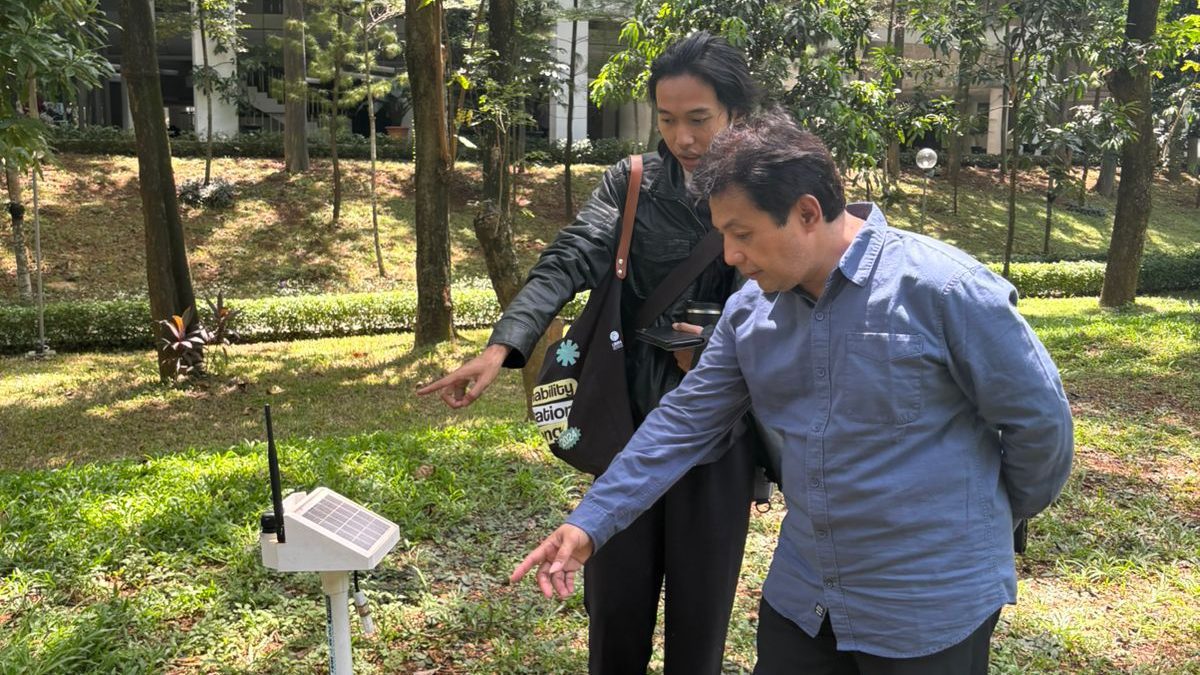
Development of the smart fly trap. (Doc. UMN)
The collaboration between Universitas Multimedia Nusantara (UMN) and Gadjah Mada University (UGM) through the launch of the MySalak app in January 2025 marks a concrete step toward integrating technology into the agricultural sector. This application, based on Artificial Intelligence (AI) and the Internet of Things (IoT), is designed to help salak farmers manage pests.
The development of MySalak involved various parties, ranging from academics at UMN and UGM to international organizations such as the Institute of Electrical and Electronics Engineers (IEEE) and government agencies, including the Ministry of Agriculture of the Republic of Indonesia. This cross-sector collaboration reflects a joint effort to deliver relevant and practical technological solutions in the field.
During its development, MySalak has spawned various derivative innovations. One of them is a smart fly trap device developed by Rifqi Habib Ur Rahman, a 2022 Computer Engineering student at UMN. This device was designed as part of a pilot project to automate the monitoring of fruit fly populations in salak plantations.
Unlike conventional methods that still rely on manual observation, this device can perform automatic counts while simultaneously transmitting data at regular intervals. The system can still operate in plantation areas without internet access by using LoRa, a long-range wireless communication technology.
“This trap is the result of the MySalak smart trap pilot project; it can automatically count fruit flies and transmit that telemetry data, even in areas without internet connectivity,” Rifqi explained.
The issue driving the development of this technology stems from serious challenges in the salak export process. In practice, the presence of a single fruit contaminated with fruit fly larvae can lead to an entire export batch being rejected or even destroyed, resulting in significant losses for both farmers and the exporting country.
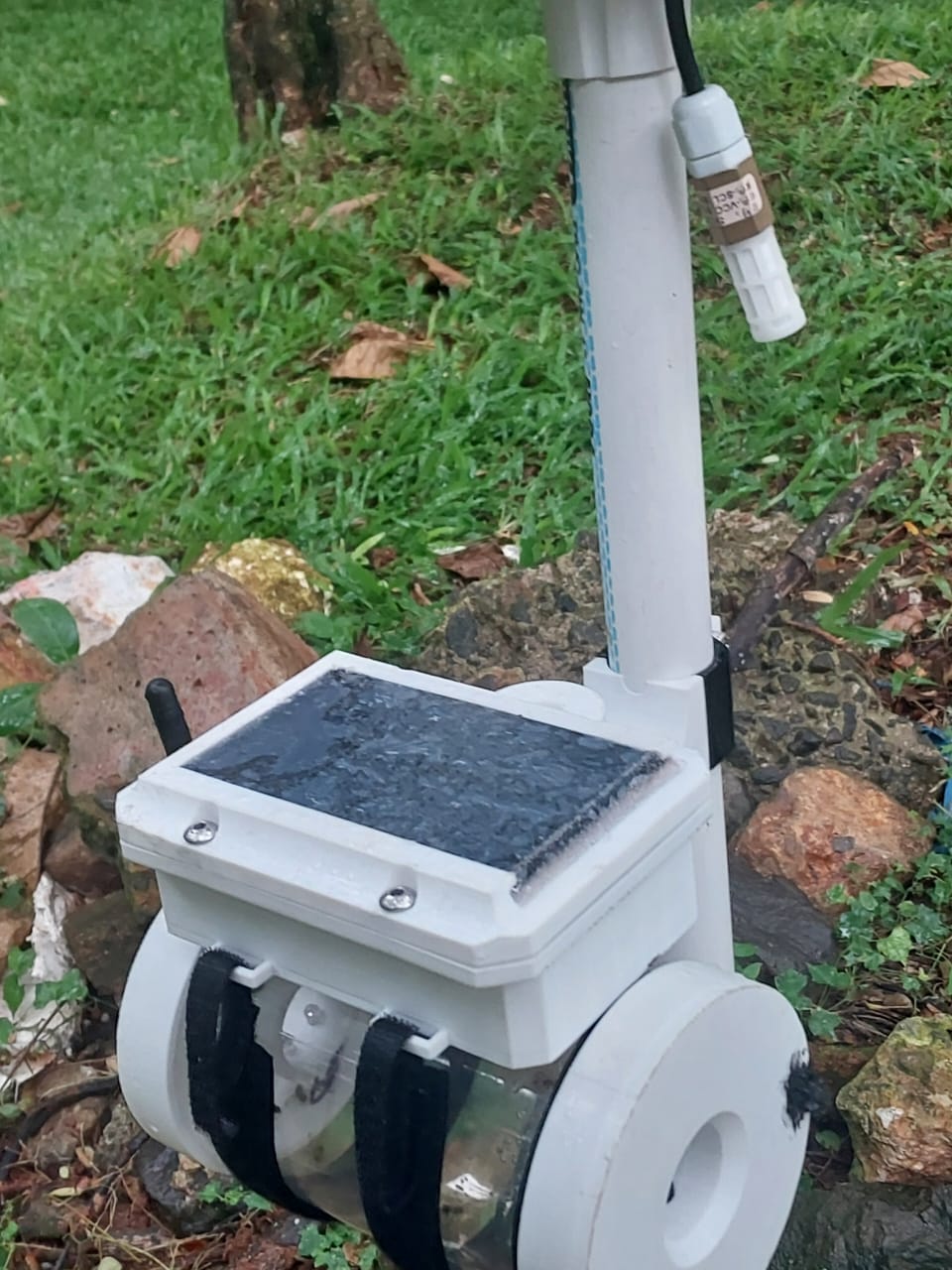
MySalak Smart Trap Pilot Project (Doc. UMN)
The manual monitoring system currently in use is considered to carry a high risk of human error, both in the counting process and in delayed detection. This situation has driven the need for a more precise and responsive system to maintain the quality of the harvest.
According to Rifqi, a reliable monitoring tool can help mitigate these risks. With more consistent data collection that does not rely on human labor, the potential for errors in the sorting process can be minimized. Additionally, real-time data also allows farmers to take mitigation actions more quickly before the pest population grows significantly.
“The idea behind creating the trap itself stemmed from MySalak’s need to expand its data collection. With this trap, FTD (Flies per Trap per Day) data collection becomes more consistent and less reliant on human labor, which is expected to improve MySalak’s predictive performance and help farmers monitor fly populations,” Rifqi continued.
Technically, this device utilizes an infrared sensor to detect any object passing through the trap. When an object passes through the beam and blocks it, the system records it and determines whether it is a fly. This method was chosen because it is more cost-effective than cameras, making it easier to implement in agricultural fields.
The development of this smart fly trap also owes much to the supervising lecturers, who made significant contributions across various scientific disciplines. Rifqi did not focus solely on computer engineering but also had to understand the fundamentals of entomology—the branch of biology that specifically studies insects. This ensured that the developed device met pest-monitoring standards. This interdisciplinary collaboration is key to producing a solution that is not only technologically advanced but also scientifically valid in an agricultural context.
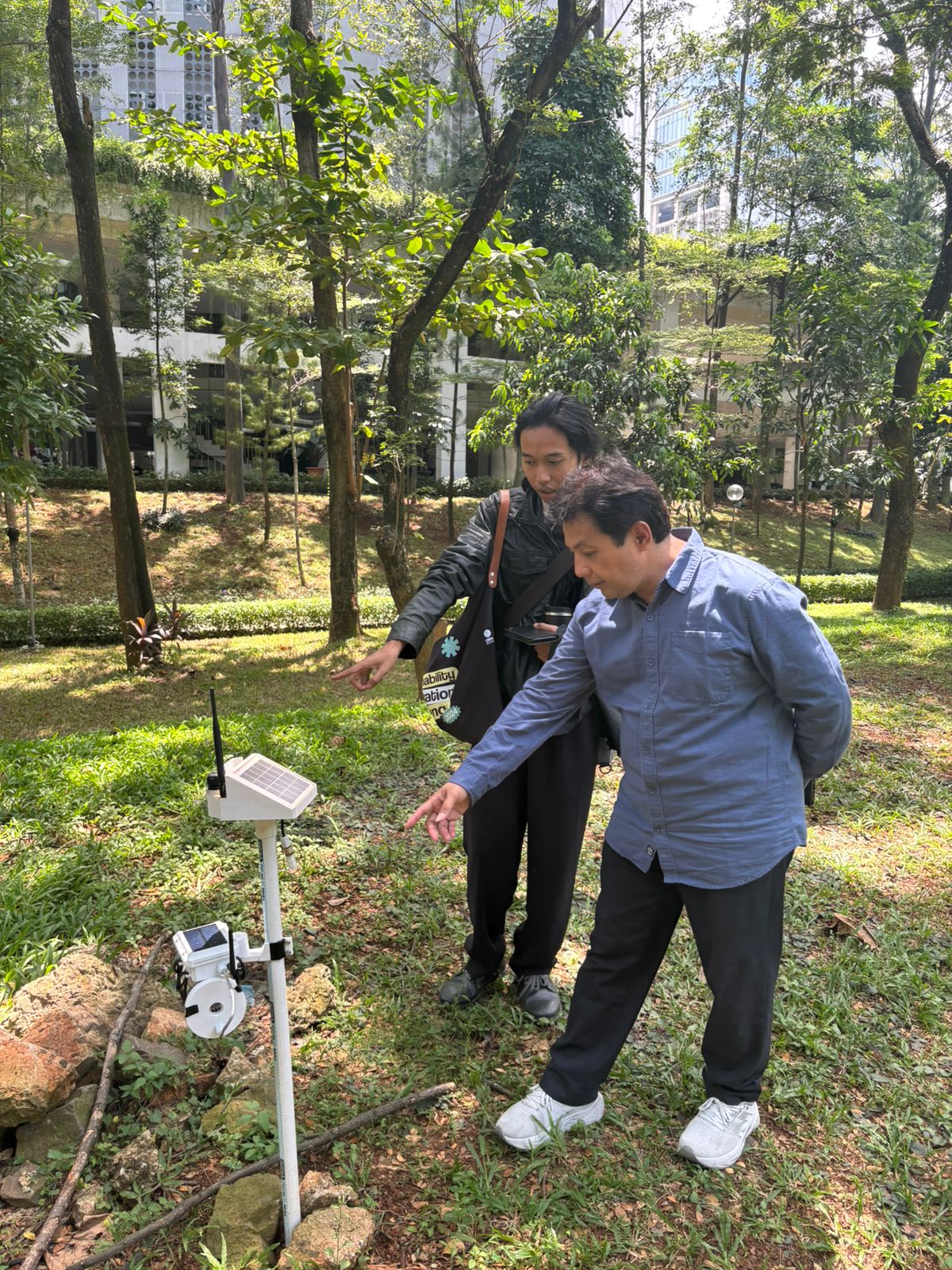
Furthermore, the device was tested using two approaches: field testing on the UMN campus to simulate real-world conditions, and controlled testing in the UGM Faculty of Agriculture laboratory. Test results showed an accuracy rate of approximately 80 percent, obtained by comparing automatic calculations with manual counts over specific time intervals. Although still in development toward production, this achievement demonstrates the technology’s significant potential for widespread implementation.
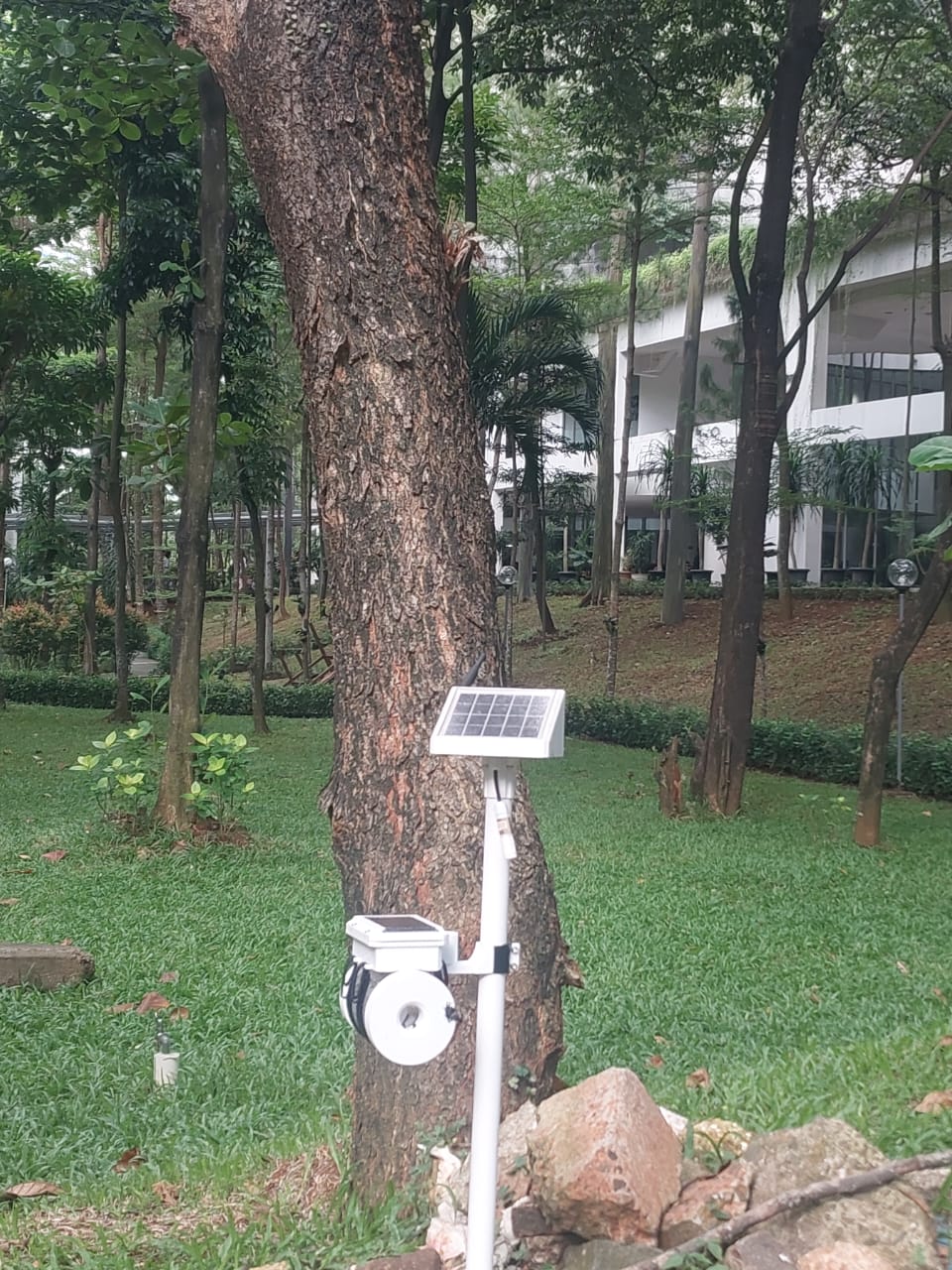
Testing the smart fly trap at the UMN Campus (Doc. UMN)
“The testing was conducted by allowing the device to operate for a predetermined interval, counting manually, and then comparing the manual and automatic counts to determine the trap’s accuracy,” explained Rifqi.
From an implementation perspective, this device is designed as an early warning system for farmers. By transmitting data every few hours, farmers can monitor spikes in fruit fly populations much more quickly than with manual methods, which are typically conducted weekly. This enables mitigation actions to be taken earlier, thereby reducing the overuse of insecticides while preventing pest outbreaks in the fields.
Rifqi believes that innovations like this not only impact technical efficiency but also enhance confidence in the agricultural export process. With more accurate and real-time data, farmers are expected to minimize the risk of undetected contamination. Consequently, product quality is maintained and meets international standards.
“Something my beloved professors at the UMN Computer Engineering Program often emphasized is that an invention that doesn’t solve a problem is useless. With this logic, I am convinced that as students, it is our duty to provide something with real-world applications to society, our alma mater, and this nation,” Rifqi concluded.
MySalak is an AI- and IoT-based application developed through the EPICS Grant program by the Institute of Electrical and Electronics Engineers to help salak farmers combat pests. This innovation was also included in the Business Innovation Center’s list of 117 Indonesian Innovations. It was featured in the June 2025 edition of the DIY Land and Spatial Planning Agency Bulletin by Subejo.
By Melinda Chang | UMN News Service
English translation by Levina Chrestella Theodora
Kuliah di Jakarta untuk jurusan program studi Informatika| Sistem Informasi | Teknik Komputer | Teknik Elektro | Teknik Fisika | Akuntansi | Manajemen| Komunikasi Strategis | Jurnalistik | Desain Komunikasi Visual | Film dan Animasi | Arsitektur | D3 Perhotelan , di Universitas Multimedia Nusantara.