UMN Records Rank Increase, Ranked 126th Globally in The UI GreenMetric
December 21, 2025
New Year, New Me: It’s Time for Students to Prepare Their Data Skills for 2026
January 6, 2026The institution provides courses that specifically focus on environmental sustainability as part of its formal academic offerings, with content that is directly integrated into the curriculum and recognized through academic credits.
One of the key offerings is the Humanity Project, a structured academic program equivalent to 20 credits (SKS) or around 33.6 ECTS and is officially recognized as part of students’ graduation requirements. In this course, students will engage in real-world community initiatives and implement environmental sustainability principles throughout their projects, enabling them to apply sustainability concepts through direct, hands-on action.
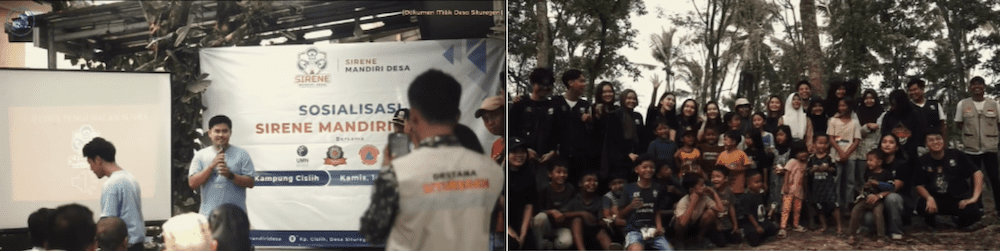
Environmental mitigation initiatives in Bayah
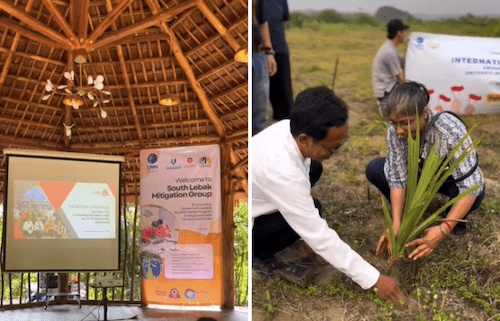
Seagrass restoration
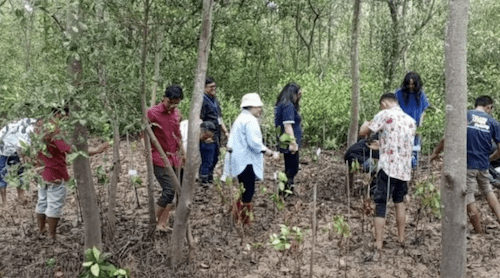
Mangrove planting
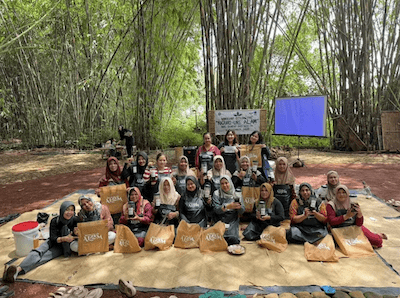
(Revitalization in Temanggung Village)
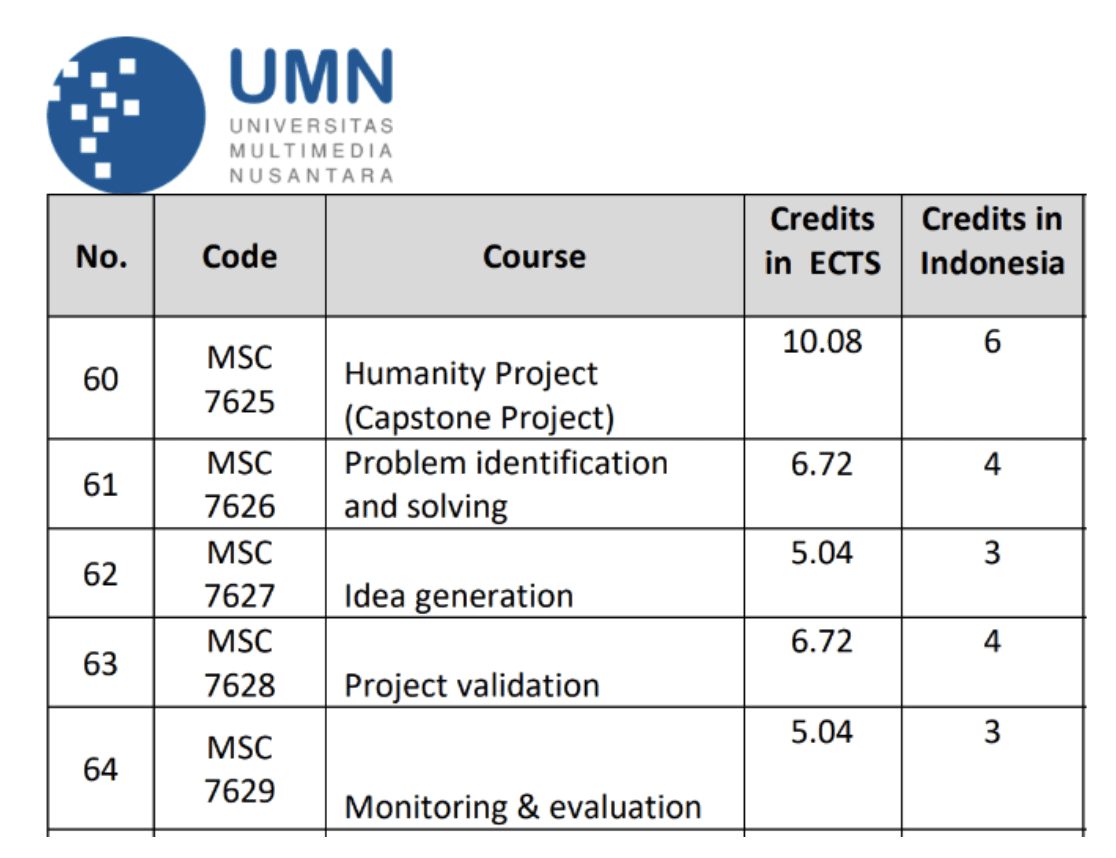
The Humanity Project is implemented based on clear guidelines and a step-by-step framework that emphasizes measurable environmental and social impact on communities. Through this course, students participate in sustainability-focused activities such as:
- Mangrove planting to support coastal ecosystem restoration,
- Environmental mitigation initiatives in Bayah, addressing local ecological challenges,
- Seagrass restoration, contributing to marine biodiversity and coastal resilience.
- Spedagi Movement in Temanggung through the Nguri-uri Alam program, which introduced eco-enzyme production from household organic waste as a community-based solution for sustainable waste management.
These activities are strategically integrated into the academic framework to advance environmental sustainability objectives, equipping students with applied knowledge and critical competencies in ecosystem protection, climate change mitigation, and community-driven environmental solutions. Importantly, the Humanity Project is a fully recognized, credit-bearing course, ensuring that sustainability learning is embedded within the formal academic curriculum rather than treated as an extracurricular activity.
Community Outreach Program
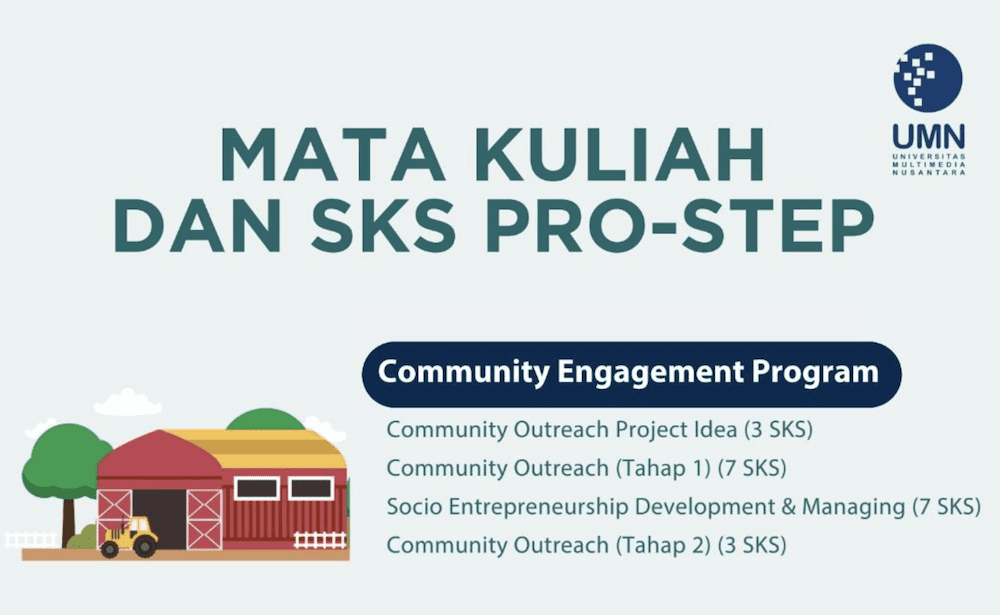
The Community Outreach Program is implemented as part of the Professional Step (Pro Step) initiative, where students engage directly with UMN’s partner villages (desa binaan) to support community development. Through this program, students contribute their knowledge and skills to empower local micro, small, and medium enterprises (UMKM), particularly in improving product packaging, marketing strategies, business management, and digital promotion.
By assisting local entrepreneurs in strengthening their business capacity and market reach, the program helps increase product visibility and sales while supporting sustainable local economic development. Similar to the Humanity Project, participation in the Community Outreach Program is also recognized as a credit-bearing learning activity.
This initiative contributes to several Sustainable Development Goals (SDGs), particularly SDG 8: Decent Work and Economic Growth, SDG 9: Industry, Innovation and Infrastructure, SDG 11: Sustainable Cities and Communities, SDG 12: Responsible Consumption and Production, and SDG 13: Climate Action.
In 2024/2025, a total of 22 project-based learning outputs were completed by students under the Professional Step (Pro Step) program, each equivalent to 20 academic credits, with a clear focus on environmental sustainability. These projects span key areas such as disaster mitigation, community-based environmental resilience, and the use of digital technology for environmental analysis. They include initiatives in community engagement and education on disaster preparedness, sustainable local resource utilization through programs like Marimba and Spedagi Movement, as well as the development of technological solutions such as geospatial analysis, disaster data visualization, and information systems for monitoring and reporting environmental risks. Collectively, these student projects reflect the integration of environmental sustainability into the curriculum by enabling students to actively address real-world environmental and disaster-related challenges.
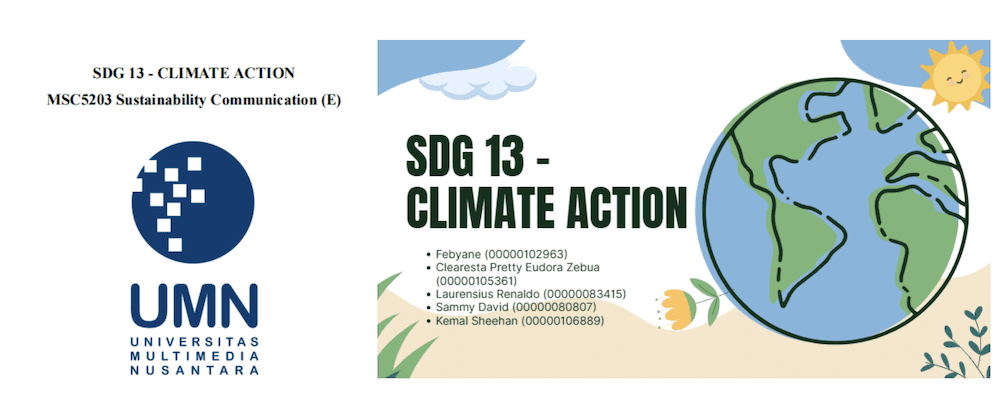
(Report of sustainability communication course, 2025)
In addition, as a formally recognized course with assigned credits, Sustainability Communication (MSC520) culminates in the production of real-world media outputs such as campaign videos. For example, students have produced work like the campaign video at this link. Through this course, students develop evidence-based campaigns aimed at influencing public behavior, institutional practices, and policy discourse. The expected learning outcomes go beyond awareness-raising; students are challenged to produce actionable communication strategies that drive measurable changes in attitudes, decision-making processes, and environmental governance systems.
Evidence of this course offering is documented in the official list of courses, which serves as institutional support for sustainability-focused education.