Inauguration of The IASPRO DPC Tangerang
August 22, 2024
A Holistic Approach to Energy Efficiency at UMN
August 29, 2024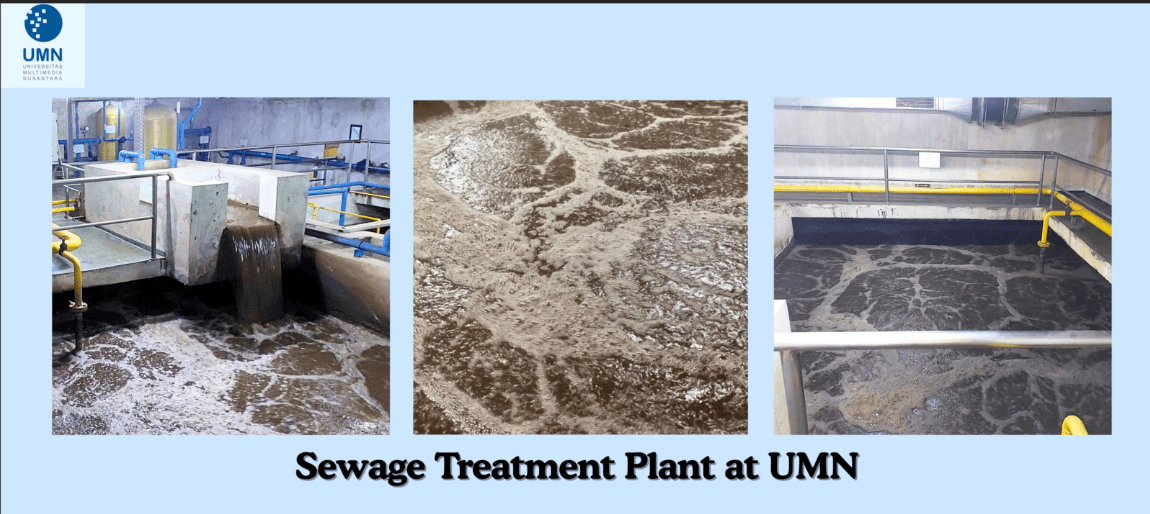
(UMN Doc.)
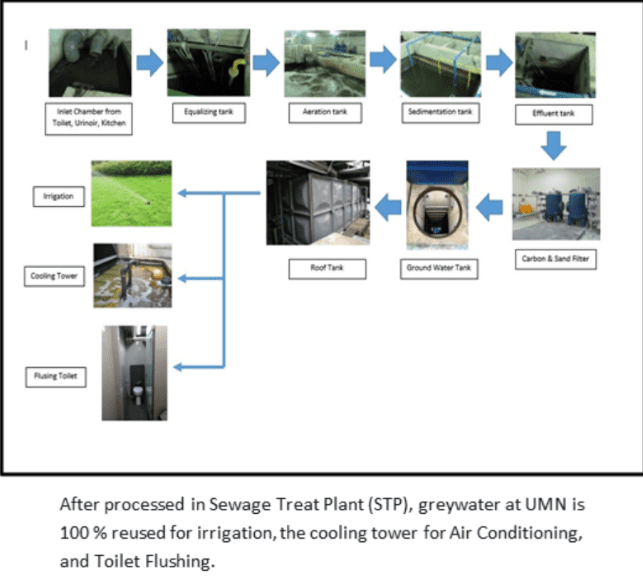
Tangerang – Universitas Multimedia Nusantara (UMN) operates an in-house wastewater treatment system that ensures water used across campus does not flow back into the environment untreated. Wastewater generated from toilets, urinals, washbasins, and kitchen areas is treated through a Sewage Treatment Plant (STP) that utilizes aerobic bacteria. These bacteria play a crucial role in breaking down and decomposing organic waste materials. After this initial treatment, the water is further purified at the Water Treatment Plant (WTP), where it passes through sand and carbon filters to ensure it meets the required standards for reuse. To ensure continued effectiveness, the system undergoes regular maintenance by UMN’s mechanical engineering team.
The treated water is then recycled for various essential purposes on campus, such as irrigation, toilet flushing, and make-up water for the cooling towers that support the air conditioning system. This recycling approach significantly reduces the dependency on fresh water, making UMN’s water management system more sustainable and environmentally responsible. By reusing water in these areas, the university not only conserves valuable resources but also actively minimizes its environmental footprint.
In addition, the closed-loop design of the wastewater treatment system helps prevent polluted water from entering the environment, including in cases of unexpected incidents or operational issues. By containing and treating all wastewater on-site, UMN ensures that no untreated or contaminated water is released into local water systems, fulfilling both preventive and corrective aspects of water pollution management.
(UMN Doc.)
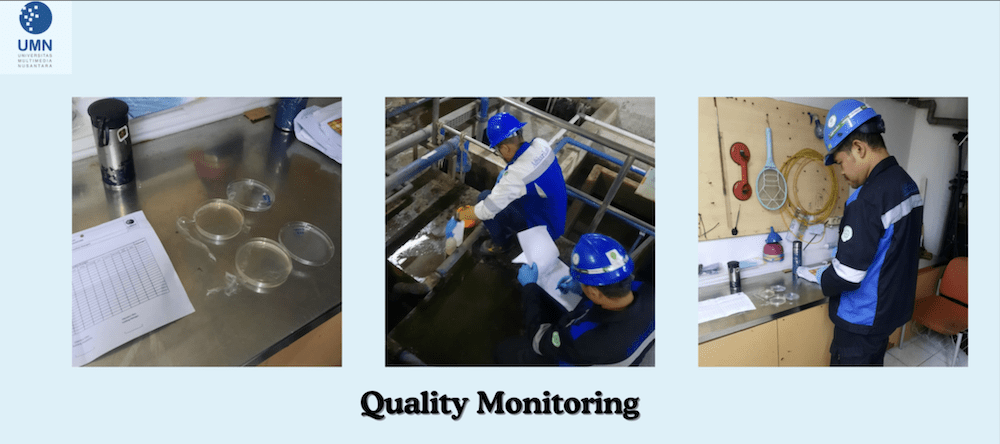
UMN’s wastewater management is also monitored closely by the Health, Safety, and Environment (HSE) team, who conduct regular checks on bacterial levels in the treatment tanks. This ensures there are sufficient bacteria for effective decomposition; additional bacteria are added if levels drop below optimal thresholds. In cases where treated wastewater must be released from the system, it is first processed to meet environmental safety standards, preventing harm to the surrounding ecosystem. The campus clean water supply is also tested regularly to ensure it remains safe and uncontaminated for daily use.
Through this combination of infrastructure, continuous monitoring, and preventive measures, UMN maintains a water management system that is both robust and environmentally responsible. As a result, UMN has become a reference point for institutions seeking to implement building-scale water treatment and recycling systems.
(UMN Doc.)
To further support this system, UMN conducts routine water quality monitoring through both its internal technical team and certified external laboratories. Daily checks are carried out to ensure the functional performance of critical STP and WTP components, including aerators, water levels, and stability of aerobic bacteria populations. In addition, scheduled laboratory analyses of wastewater samples are performed to evaluate parameters such as pH, Biochemical Oxygen Demand (BOD₅), Chemical Oxygen Demand (COD), Oil & Grease, Ammonia (NH₃), Total Suspended Solids (TSS), and Total Coliform levels.
These measurements are essential to verify that treated water meets environmental discharge standards. The campus’s clean water supply is also tested regularly for microbiological, physical (including odor, color, and temperature), and chemical properties such as aluminum content, pH, dissolved iron, and residual chlorine. The results of these tests inform ongoing operational adjustments and ensure that all treated and distributed water remains safe, hygienic, and compliant with regulatory requirements.
Kuliah di Jakarta untuk jurusan program studi Informatika| Sistem Informasi | Teknik Komputer | Teknik Elektro | Teknik Fisika | Akuntansi | Manajemen| Komunikasi Strategis | Jurnalistik | Desain Komunikasi Visual | Film dan Animasi | Arsitektur | D3 Perhotelan , di Universitas Multimedia Nusantara.