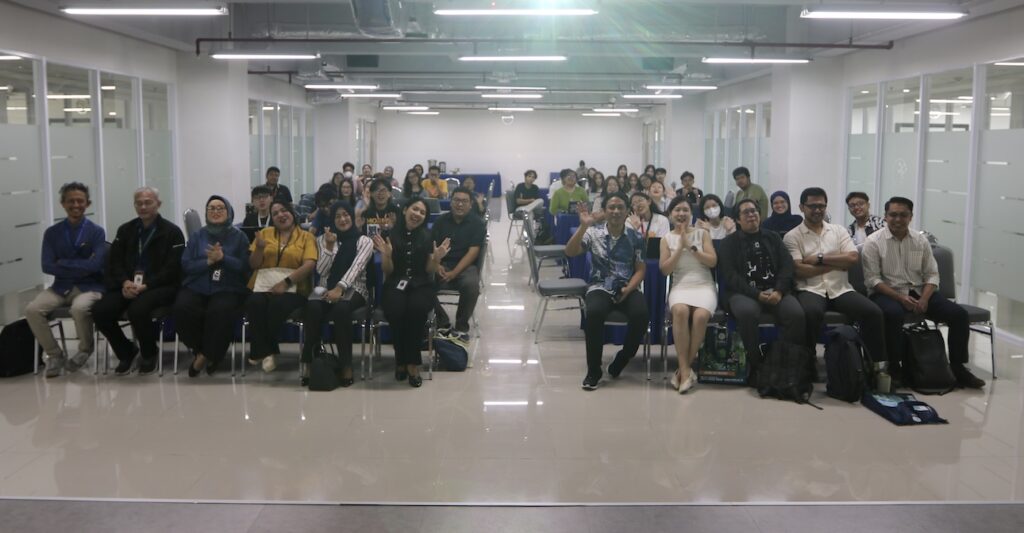
UMN X Data-Based Training for Environmental NGOs: Data Helps Support Effective Public Policy Transformation
November 8, 2024
Open Defecation: A Big Challenge in Tangerang, UMN Organizes Podcast Training to Educate the Public
November 10, 2024
(Doc. UMN)
The university supports Responsible Consumption and Production through several key policies covering campus operations. These include ethical sourcing of food and supplies, comprehensive waste disposal processes (including hazardous waste), and monitoring waste streams such as landfill versus recycling. Importantly, waste disposal activities are regularly documented and reported in accordance with applicable environmental standards, ensuring transparency and accountability. There are also policies focused on reducing plastic use and minimising disposable items. Together, these initiatives guide our commitment to managing resources responsibly and promoting sustainability throughout the university supply chain.
Sustainability values are deeply integrated into the university’s operational decisions, especially in selectings outsourced services and suppliers. Environmental impact, ethical practices, and alignment with the Sustainable Development Goals (SDGs) are key criteria in procurement and partnerships. Vendors for equipment, office supplies, and infrastructure projects are chosen not just based on cost or efficiency, but also on their commitment to responsible production and sustainable operations. Through Sustainable Procurement Policy, this ensures the university’s sustainability commitments are reflected consistently throughout the supply chain.
A clear example is the university’s outsourced services, such as cleaning and security personnel working daily on campus. Their operations adhere to UMN’s internal standards, promoting SDG initiatives like energy efficiency, responsible resource use, and water and sanitation. Beyond their daily tasks, these staff receive regular training on broader sustainability topics, including gender equality, fostering an inclusive and non-discriminatory environment.
Another example is the university’s waste disposal process, where non-recyclable waste is handled by third-party vendors under formal memoranda of understanding (MoUs). These vendors are selected for their compliance with UMN’s environmental standards and strong sustainability practices, demonstrating the university’s commitment extends beyond internal operations to its partners, including suppliers of equipment, stationery, and building contractors.
The university remains dedicated to enhancing these policies and partnerships to promote sustainable practices. By embedding sustainability across all operations and collaborations, UMN strives to create a lasting positive impact on both campus and the wider community.