
Small Steps, Big Impact: UMN GHG Emissions 2025
January 3, 2026
Integration of Environmental Sustainability in the Academic Curriculum
December 30, 2025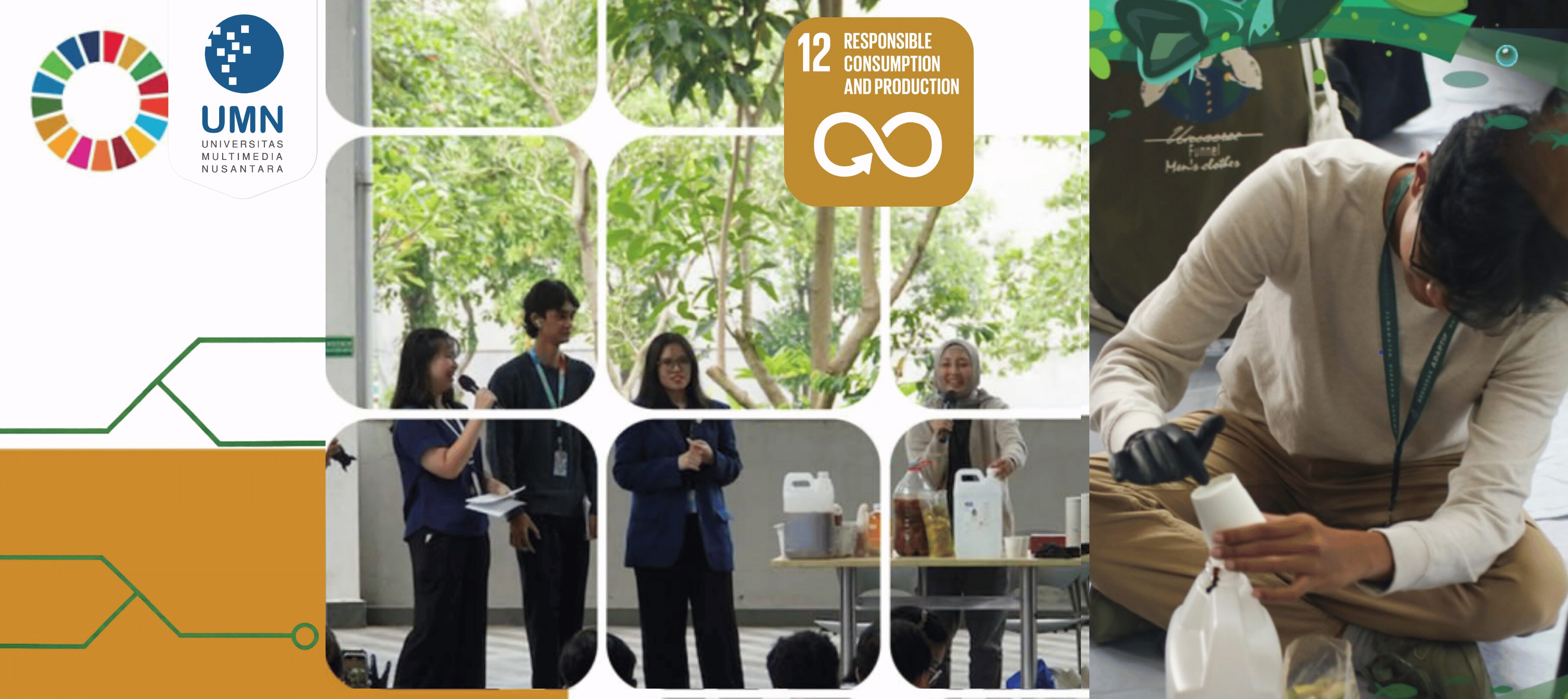 Collaborative waste sorting efforts at UMN, supported by designated waste collection points and sorting facilities (Doc. UMN)
Tangerang – Responsible waste management is an integral part of campus operations, supported by a range of institutional policies and environmental initiatives at Universitas Multimedia Nusantara (UMN). These efforts aim to minimise the environmental impact of daily campus activities and promote sustainable practices across the university community. The university’s approach focuses on four key areas: hazardous waste disposal, waste measurement and recycling, plastic use minimisation, and the reduction of disposable items.
The policies provide guidelines for managing waste generated through daily university operations, encouraging responsible resource consumption, and ensuring that waste is handled appropriately. Their implementation involves relevant university units, campus operational teams, and external waste management partners.
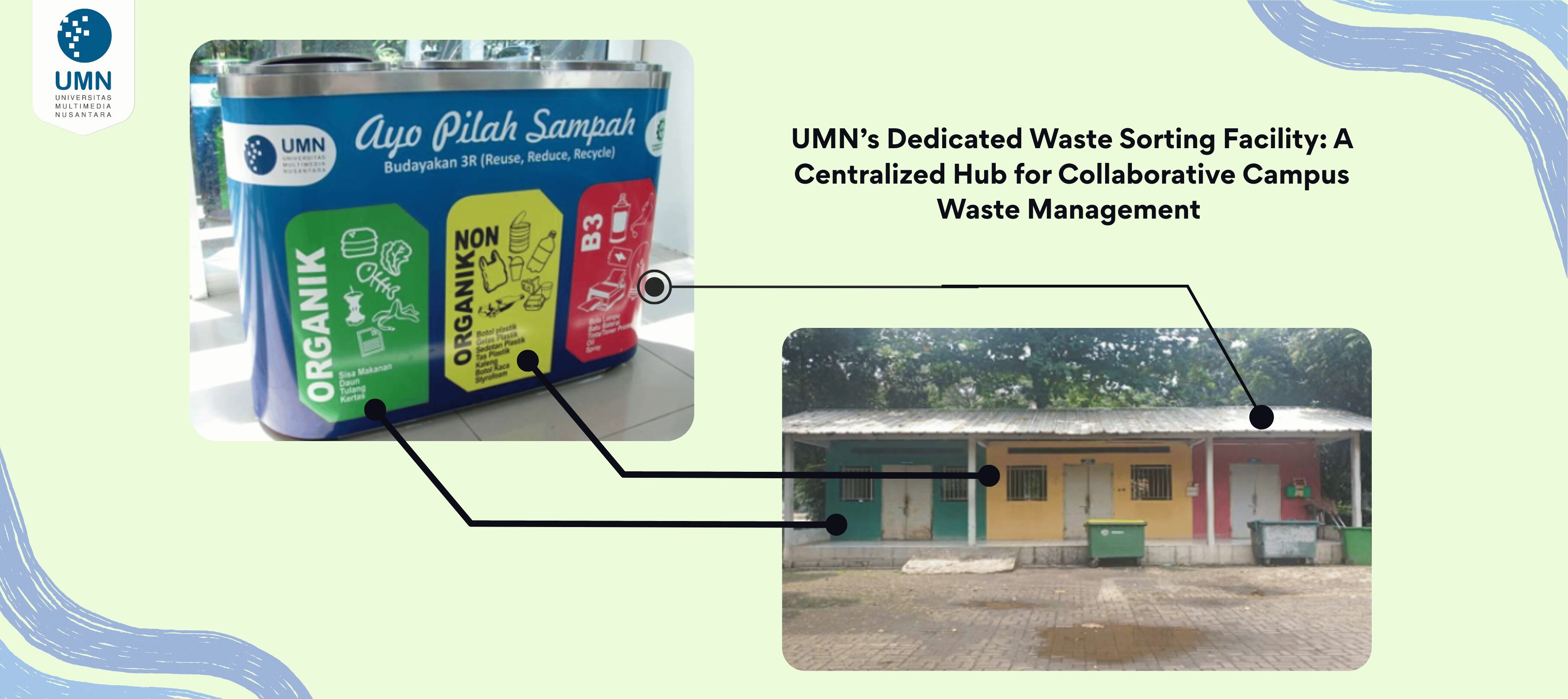
UMN’s Dedicated Waste Sorting Facility: A Centralized Hub for Collaborative Campus Waste Management (Doc. UMN).
To support these policies, UMN has established a dedicated waste sorting and management facility that serves as a central point for collecting and separating waste generated across the campus. Waste from designated bins is transported to this facility, where it is sorted according to the university’s colour-coded waste segregation system: green for organic waste, yellow for inorganic waste, and red for hazardous and toxic waste (B3). The facility also includes a designated composting area for managing organic waste through composting. These dedicated spaces help streamline waste handling, ensure that different waste streams are managed appropriately, and support further processing, recycling, composting, or safe disposal in collaboration with relevant waste management partners.
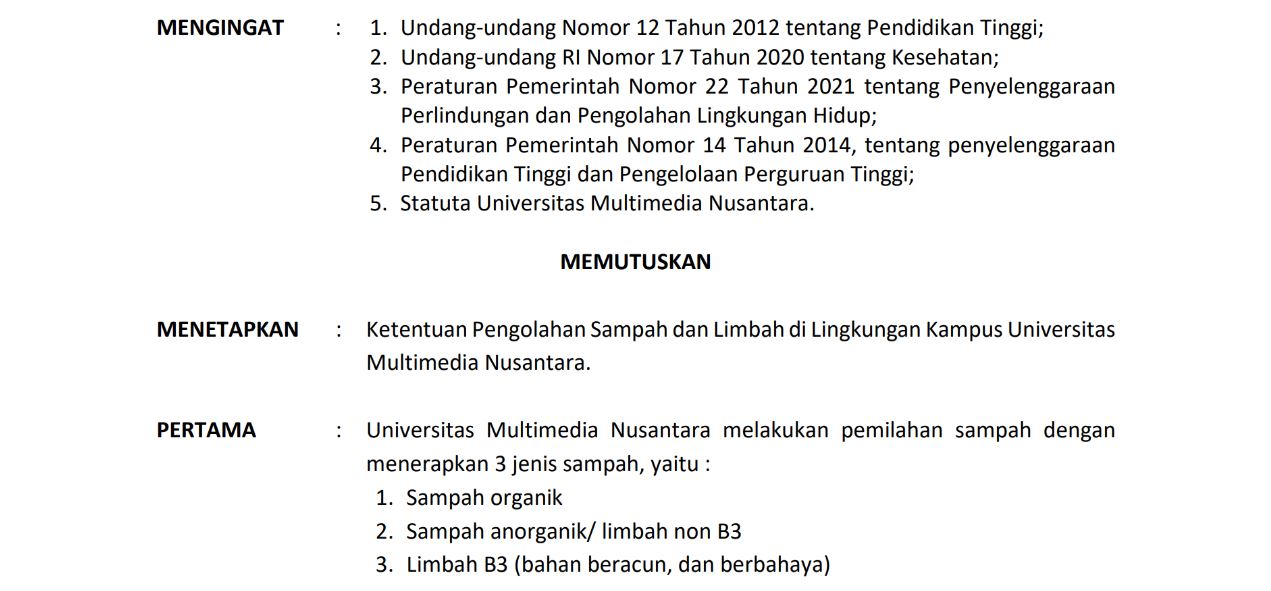
1. Policy on Hazardous Waste Disposal
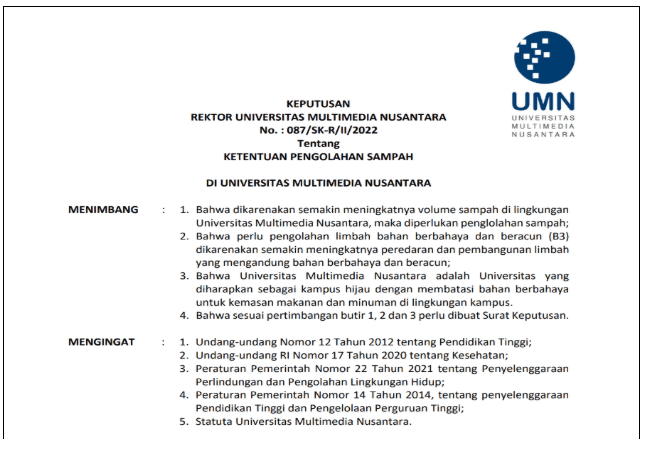
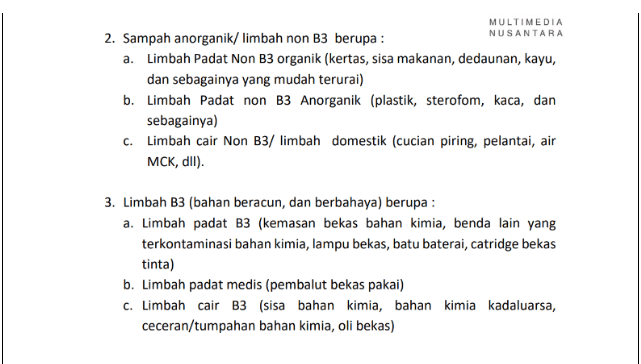
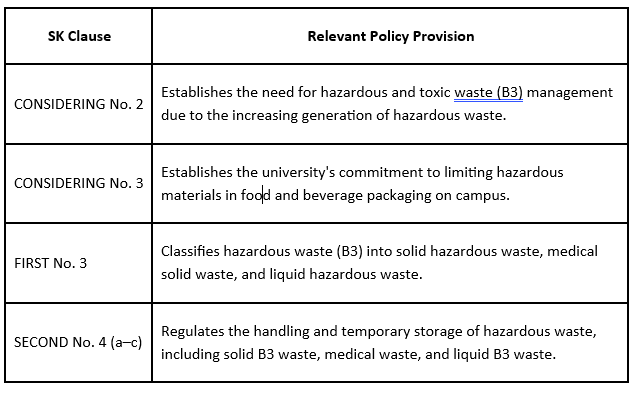

UMN has established a policy and standard operating procedures governing the handling and disposal of hazardous waste (B3). These guidelines cover the identification, segregation, temporary storage, handling, and final disposal of hazardous materials to minimise environmental contamination and ensure compliance with applicable environmental standards.
Hazardous waste generated on campus is managed through authorised third-party waste management providers. The process is supported by appropriate documentation, including hazardous waste manifests, to ensure traceability and accountability throughout the disposal process.
Through these procedures, UMN ensures that hazardous materials are not mixed with general waste and are managed through appropriate treatment and disposal channels.
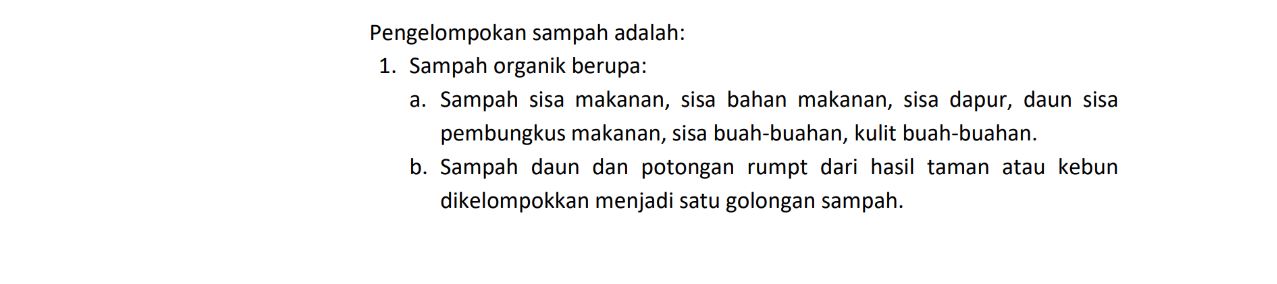
2. Policy on Waste Disposal, Measurement, and Recycling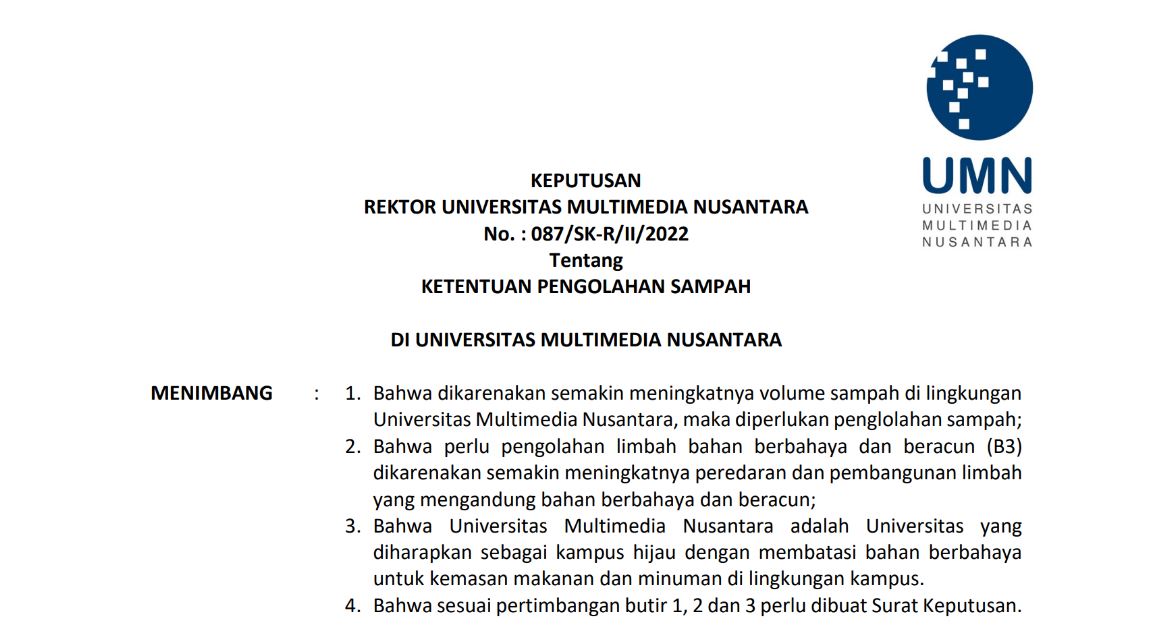
(UMN’s Hazardous Waste Disposal Policy) 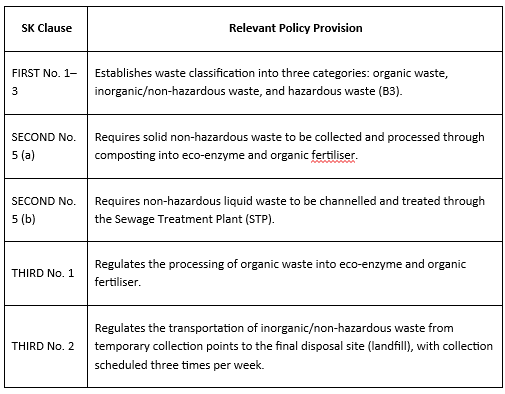
UMN implements a waste management policy that supports the measurement, segregation, recycling, and responsible disposal of waste generated across campus. Waste is classified into organic, inorganic, and hazardous categories to facilitate appropriate handling and treatment. The university also works with external waste management partners to collect and process recyclable materials, including plastic bottles, paper, cardboard, and other eligible materials.
Waste management records are used to monitor the amount of waste generated, recycled, and directed to final disposal facilities. This approach supports UMN’s efforts to evaluate its waste management performance and reduce the amount of waste sent to landfills.
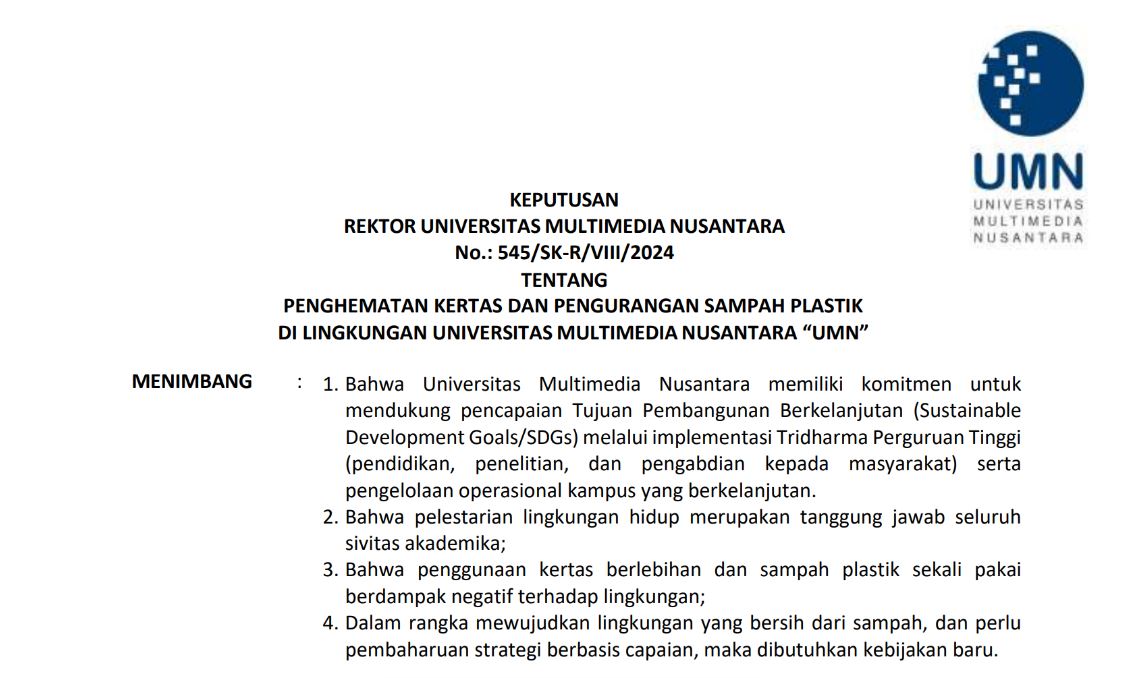
3. Policy on Plastic Use Minimisation
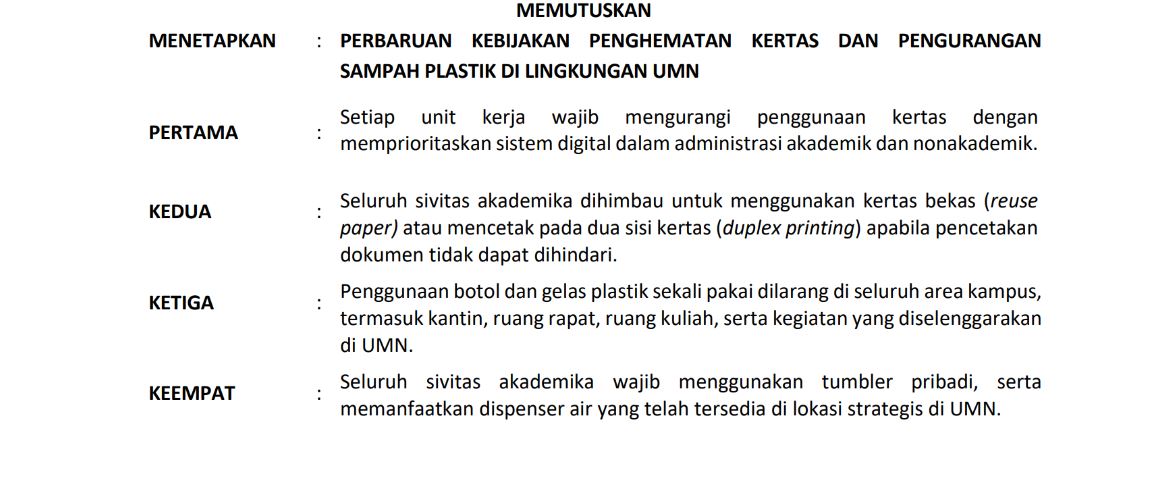
(UMN’s Policy to Minimise Plastic Use)
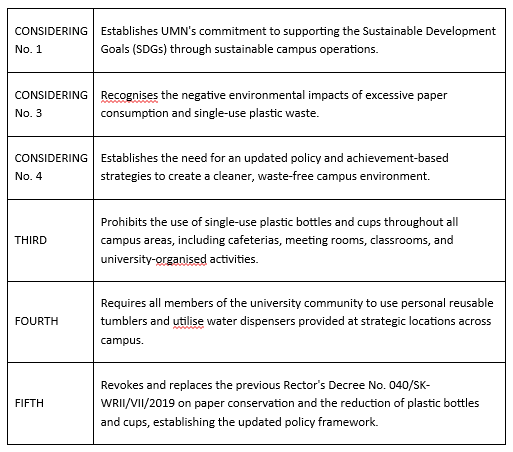 UMN promotes the reduction of single-use plastic through its institutional policy on plastic use minimisation. The policy encourages responsible consumption practices within the university environment and aims to reduce plastic waste generated through daily campus activities. Implementation includes encouraging the use of reusable alternatives, reducing unnecessary plastic packaging, and supporting waste collection and recycling initiatives.
Responsible waste management is embedded in campus operations through institutional policies and environmental initiatives aimed at reducing waste generation and minimising environmental impacts. These efforts support sustainable consumption and production by addressing four key areas: hazardous waste disposal, waste measurement and recycling, plastic use minimisation, and the reduction of disposable items.
Further supporting these commitments, Universitas Multimedia Nusantara (UMN) collaborates with PlasticPay by providing two Reverse Vending Machines (RVMs) on campus, enabling students, staff, and visitors to deposit used plastic bottles in exchange for points. 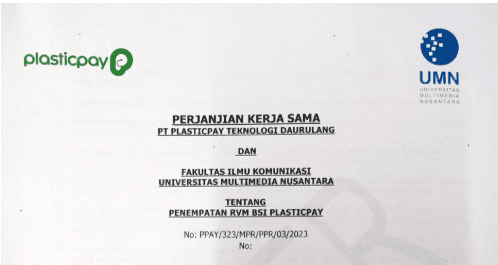
(UMN’s MOu with Plasticpay)
Plasticpay collects plastic waste from UMN on a weekly basis and processes it into recycled raw materials, including granules, Recycled Polyester Staple Fiber (Re-PSF), yarn, and fabric, which are used to produce items such as pillows, carpets, furniture, and textiles. To encourage participation, each collected bottle earns Plasticpay points that can be exchanged for cash.
This initiative encourages active participation in plastic recycling and promotes the recovery of recyclable materials, contributing to a more circular approach to resource use and the objectives of Sustainable Development Goal 12 (Responsible Consumption and Production).
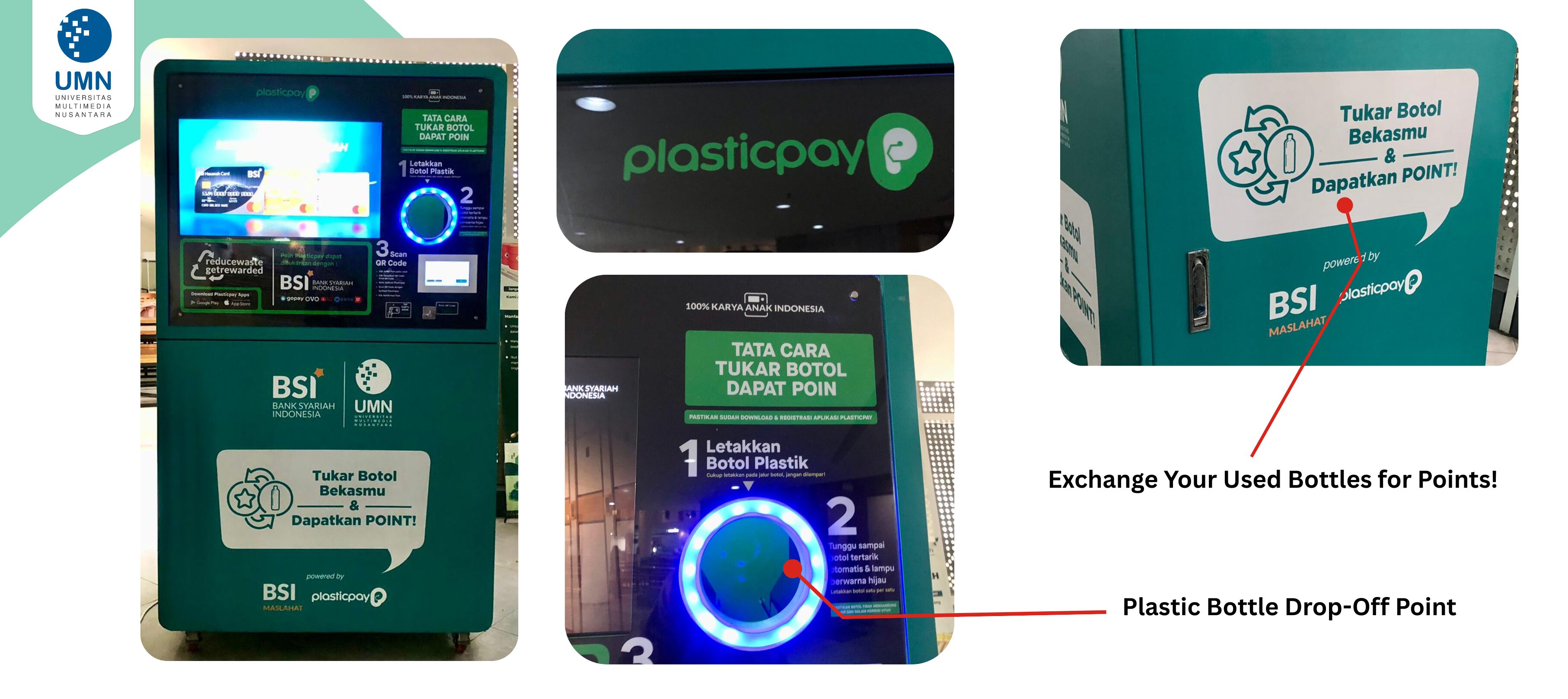 (Plasticpay Collection Machine at UMN)
Data on Plastic Recycling: Compared to 2024, when UMN managed approximately 12,446 kg of inorganic waste, the amount decreased to 8,443 kg in 2025. In 2025, approximately 223.4 kg of plastic was recycled through the Plasticpay program. These efforts reflect UMN’s continued initiatives to manage inorganic waste and promote plastic recycling on campus.
Paper and Other Recyclables: The Rapel and Indoarsip Collaborations
In addition to plastic waste, paper waste, including used printouts and cardboard, is another significant component of UMN’s inorganic waste. To ensure these materials are properly managed and recycled, UMN collaborates with Rapel and Indoarsip, two organizations involved in recyclable waste collection and processing.
General Recyclable Collection with Rapel
UMN collaborates with Rapel, a sustainable waste management platform operated by PT Wahana Anugerah Energi. Through this partnership, Rapel provides collection services for recyclable materials, including paper waste and other eligible non-biodegradable materials. The collected materials are handed over to Rapel for further processing and recycling, helping divert recyclable waste from landfills.
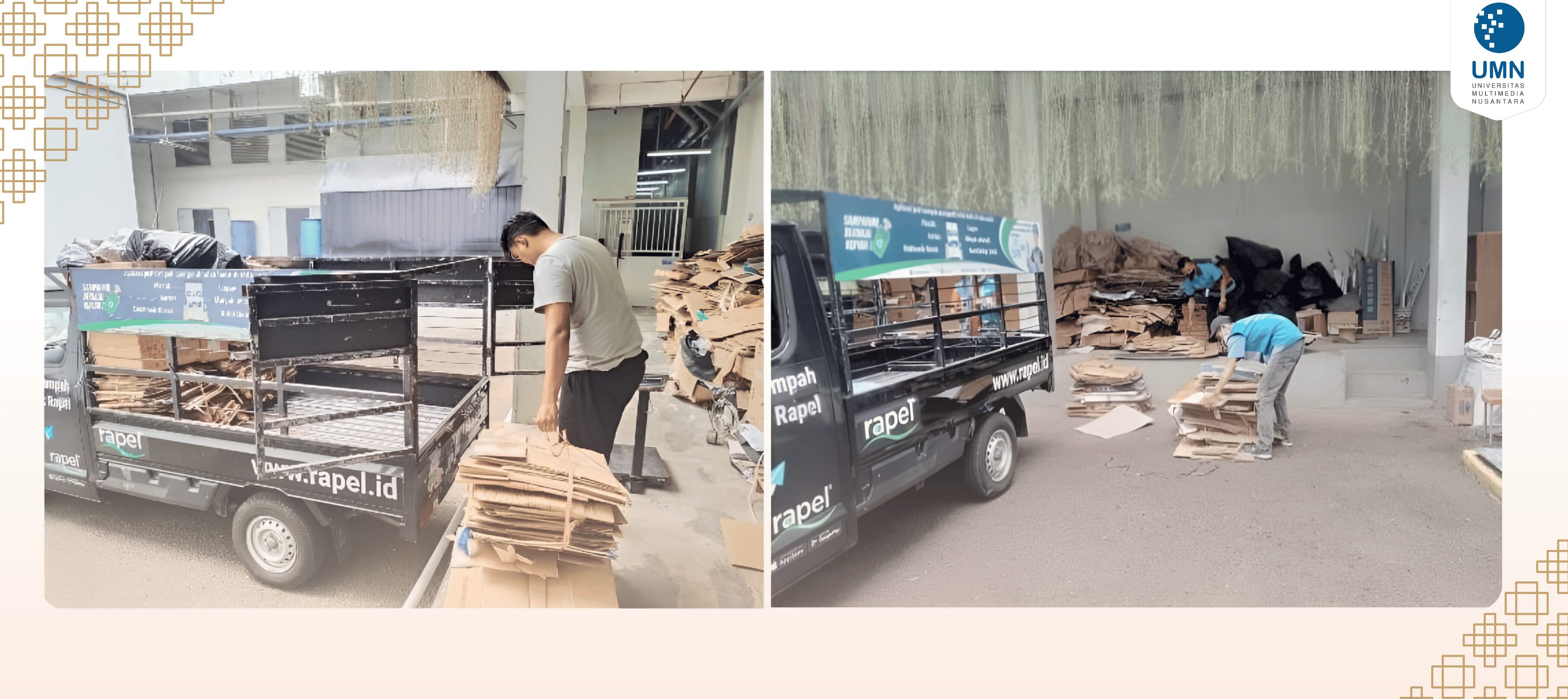 (Recycled Paper Collected and Handed Over to Rapel (Doc. UMN)
Data on Paper Recycling: In 2024, UMN collected approximately 11,835 kg of paper waste through its partnership with Rapel. In 2025, the total amount collected decreased to 3,716 kg, representing a reduction of approximately 68.6% compared to the previous year. The collected paper waste continues to be directed to Rapel for responsible recycling and processing.
Confidential Wastepaper Destruction and Recycling with PT. Indoarsip
Indoarsip specializes in the secure destruction and recycling of confidential paper waste. Through this collaboration, UMN ensures that private documents are securely shredded and handled under strict confidentiality before being processed into recycled paper products. This process supports responsible paper waste management while protecting sensitive information.
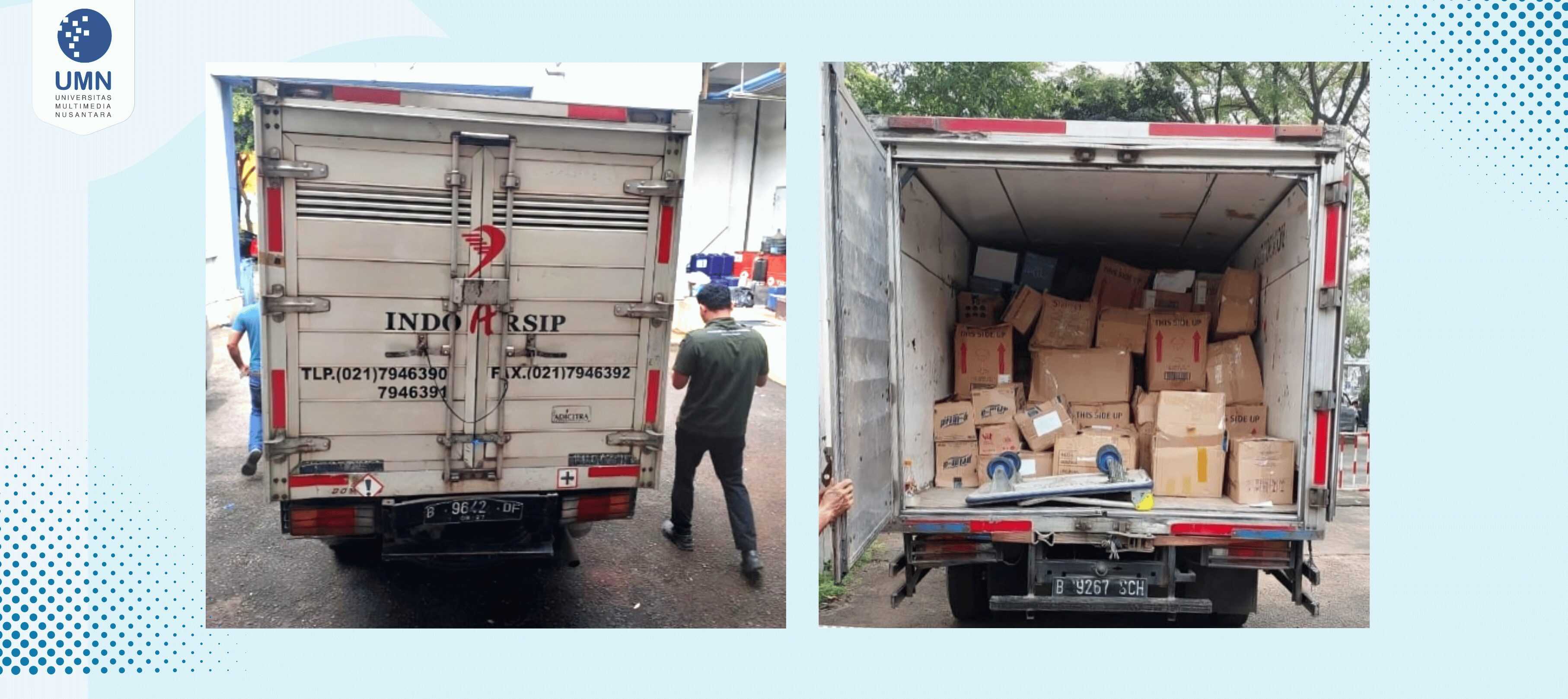 Paper waste collected for recycling as part of UMN’s campus sustainability initiatives
(Doc. UMN)
4. Policy on Disposable Item Minimisation
(UMN’s Policy to Minimise Plastic Use)
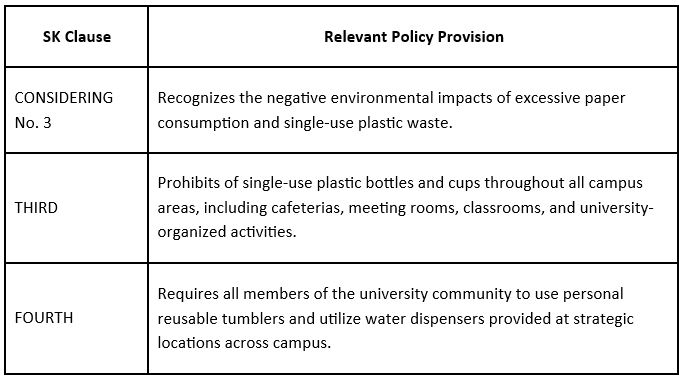
In addition to reducing plastic consumption, UMN has established a policy to minimise the use of disposable items across campus activities.
The policy encourages the university community and relevant campus service providers to reduce reliance on single-use products and adopt reusable alternatives wherever practical. These measures support more responsible consumption practices and help reduce the volume of waste generated from everyday university operations.
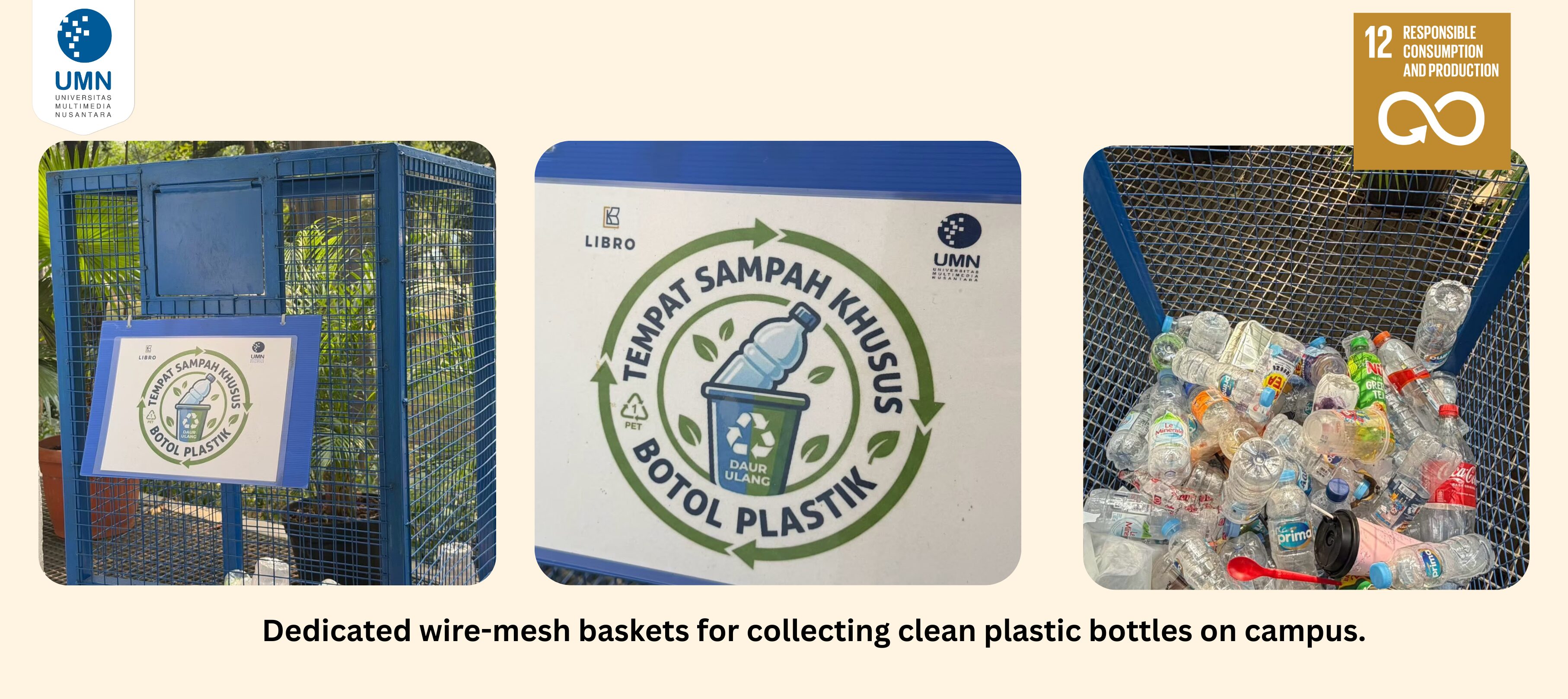 As part of these efforts, UMN has also provided dedicated wire-mesh collection baskets for clean plastic bottles across campus, complementing its existing Plasticpay collection points. The visible basket design is intended to make plastic bottle collection more noticeable and accessible, encouraging members of the university community to separate and dispose of recyclable bottles properly.
Through these guidelines and supporting facilities, UMN promotes waste prevention at the source while strengthening its waste segregation, collection, and recycling programmes.